
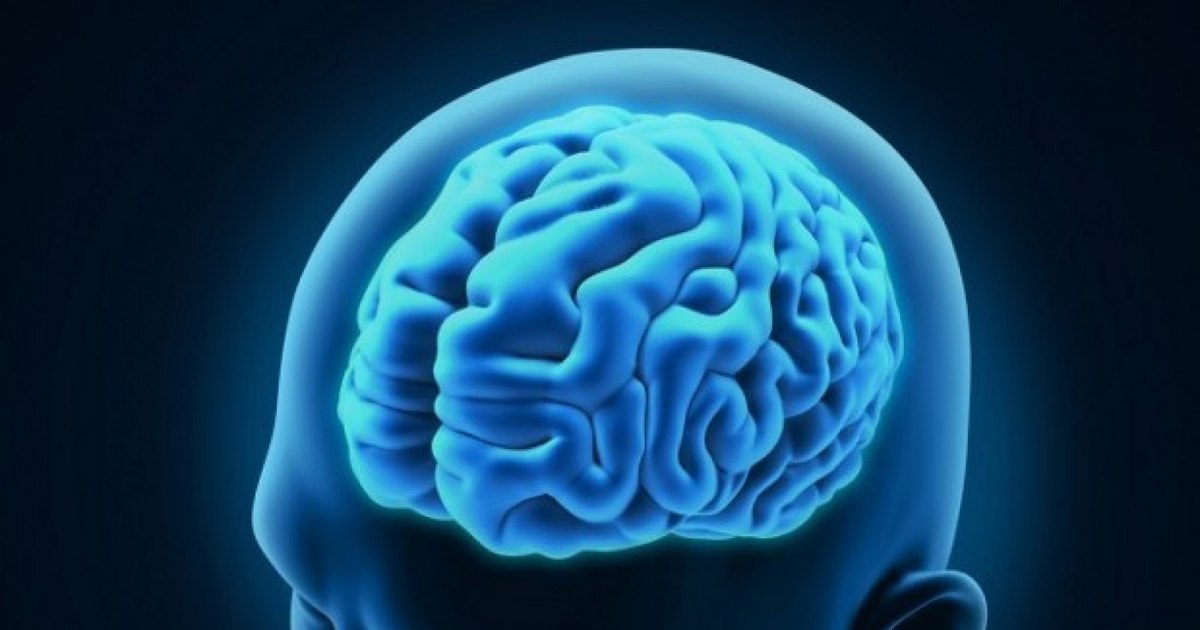
A new study published in the journal GeroScience by researchers from the University of Southern California brings a different perspective on how the human brain ages, showing that the process is not uniform but affects each region differently.
Unlike previous research, which evaluated the brain through a single score of “brain age,” estimated from MRI images, the new analysis examined 148 distinct brain regions separately.
The concept of “brain age” indicates how aged the brain appears compared to its actual age, and a large difference between the two can signal an increased risk of cognitive decline.
Extensive analysis of tens of thousands of people
For the study, the researchers analyzed 41,708 MRI scans from adults included in the UK Biobank database. Each brain region was assessed individually to determine whether it was aging faster or slower than normal.
The team then analyzed the participants’ DNA, testing more than 600,000 genetic variants. The result was the identification of 1,212 significant genetic associations, which show in detail how genes influence the aging of different areas of the brain.
The data obtained indicate that brain regions do not age at the same rate, and these differences are determined by specific genetic factors.
Genes that speed up or slow down aging
The study highlights that brain aging is a polygenic process, in which several genes are involved, each having different effects depending on the region.
Thus, the researchers identified both genetic variants associated with accelerated aging and some with a protective effect.
For example, the KCNK2 gene, involved in the transmission of electrical signals between neurons, has been associated with faster aging in regions frequently affected by Alzheimer’s disease.
Conversely, variations in the NUAK1 gene, which contributes to maintaining the structure of nerve cells, are linked to a more “young” of the brain in extensive areas of the cortex.
Link to Alzheimer’s and other diseases
One of the most important results of the research shows that the regions that age the fastest are also the most vulnerable to neurodegenerative diseases, such as Alzheimer’s or frontotemporal dementia.
This finding could explain why certain areas of the brain are more severely affected than others in these conditions.
The role of artificial intelligence
The complex analysis was made possible thanks to the use of artificial intelligence. Researchers have developed a three-dimensional neural network capable of identifying subtle patterns of aging in MRI images.
The system was trained to recognize the structural signatures associated with age, thus facilitating the correlation of imaging data with genetic data.
The study authors point out that the results are, at this point, mostly of research value and cannot yet be used in clinical diagnosis.
However, the findings open new directions for identifying people at increased risk of dementia and developing personalized long-term treatments.
