
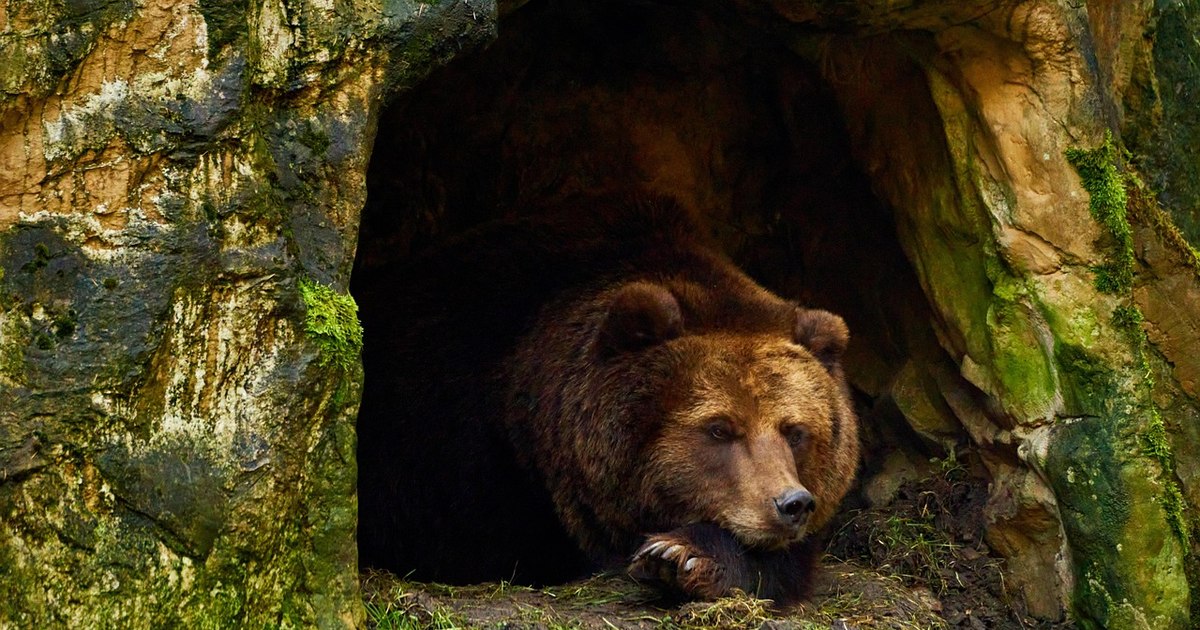
Numerous tourists have returned home with unforgettable memories from their travels on the Via Transilvanica, some enhanced by the excitement of meeting wild animals or kennel dogs. Bears also made their presence felt on some segments of the hiking route, arousing both fascination and fear.
Launched in 2018 and completed in 2022 with the sections in Alba and Hunedoara, Via Transilvanica has gradually become one of the most popular hiking routes in Romania.
Via Transilvanica, from cities to wilderness
It runs for more than 1,400 kilometers, crossing the Carpathians to connect the historical regions of Bucovina and Banatul Montan, through a long route that takes travelers through places full of tourist attractions.
Via Transilvanica stretches along its route several towns and resorts, such as Vatra Dornei, Bistrita, Sovata, Odorheiu Secuiesc, Sighisoara, Mediaș, Blaj, Alba Iulia, Sebeș, Cugir, Oțelu Roșu, Caransebeș, Reșita and Drobeta-Turnu Severin. But a large part of the hiking route is crossed on less traveled roads, on mountain and plain paths, through sparsely populated archaic villages, on forest roads and even on the embankments of former abandoned railways.
In such places, many travelers feel at ease, close to nature, but for other tourists, some segments of the Via Transilvanica raise concerns, especially when they venture on the road alone. The approach of summer brings more and more people to its trails, but sometimes this is not enough to banish worries.
Some of the most common fears hikers have are related to unwanted encounters with bears and pack dogs. While dens are visible from a distance, encounters with bears are most often unforeseen, and these wild animals can be found in every region dominated by the Carpathians, from Bucovina to the Banat Mountains.
During the first two weeks spent on Via Transilvanica, from Putna to Archita, a hiker reported, on the official group dedicated to travelers, that he met bears three times, and in other places in the Eastern Carpathians he noticed the tracks left by them.
“I arrived in Brădețelu. From Brâncovenești to here, I had a beautiful route. A forest that, in some places, gave me a little chills. On a portion of about 1-2 kilometers, all the trees, left and right, have their stems crushed by bears“, he noted in a post on the group.
In another message, he said that he had noticed bears in the forest in the Firtuș Mountain area, right on the Via Transilvanica route, and in another he told about the fears he had at the sight of two other bears.
“Via Transilvanica, day no. 12. Today I had a day with adrenaline. I met two bears and I was also caught in the rain. I still ended up in Odorheiu Secuiesc”the hiker reported.
Other travelers have also recounted similar experiences, with some noting that during this springtime, bears become more active and can be spotted more often near tourist trails.
“In the spring, bears are active after hibernation, and Romania is full of them, unfortunately. That’s why I gave up hiking on wilder trails and go with all the plebeians on mountains like Ceahlău”, says a hiking enthusiast.
Via Transilvanica, not recommended after dusk
According to the administrators of the “Via Transilvanica” Facebook page, more than 300 markers with the message “Beware of bears after dark” have been placed along the route. In some places, the locals also came to the aid of the hikers, posting warnings about the presence of bears on gates and fences.
Other travelers on the Via Transilvanica also offer some advice to those who start their journey with fears of bears.
“How to avoid encountering bears? Here are some common safety rules: Make noise. When hiking in the mountains, talk loudly, sing, or use bear bells to avoid scaring them. Handle food properly: When camping, store food properly and hang it up; don’t leave food behind. Group hikes are safer than solo hikes. Keep your distance: If you see a bear in distance, back away slowly; don’t run and look him straight in the eye’. says one of them.
Should we be afraid of bears in the Carpathians? “Sometimes he’s an old man. Sometimes he attacks for no reason”
Noise to drive away bears
Another traveler claims that the bear does not live in the forest, as the legend says, but only shelters there. “Bears that have never had contact with a human will avoid you“, he adds.
“It’s full of bears in the Gurghiului Mountains, but if you make noise, you’ll be fine. And, tied to the dogs, you go around the herd and it’s good to have a baton with electric shocks. For the bear, definitely spray”someone else adds.
Other Romanians recommend travelers to announce their presence in the forests by making noise.
“Whenever you walk through the woods, make noise. Not excessive noise, but talk, sing, or whistle, and every now and then, when the path winds, blow another whistle. The idea is not to surprise the animal, don’t come out suddenly in front of it. You scare it and it may attack. Don’t keep food in the tent. Don’t take strong-smelling food with you. I prefer cans. The spray is the last resort.”someone else notes.
“No one was attacked by a bear on Via Transilvanica”, another hiker adds confidently.
Mountain rangers offer some recommendations for those venturing into wild areas where there is a risk of encountering bears: make sure you have at least one hiking partner; talk and make noise to be heard by wild animals so they avoid you; wear a so-called “bear bell”, a bell against bears, hanging from your rucksack; when camping, don’t keep food in the tent; carry pepper spray against bears; wear a whistle around your neck; if you notice the presence of the bear in the distance, make noise; try to avoid animals as much as possible.
Beware of the unpredictable behavior of bears
Over ten thousand bears live in the Carpathian Mountains, and in some places they have become regular presences, being found even in localities or on the side of roads frequented by tourists, such as the Transfăgărășanul. Bears normally avoid contact with humans or other living things, but meeting them can reveal their unpredictable behavior.
The bike path in the village of ten people, surrounded by wolves and bears. The spectacular route in the brains of the mountains gives shivers to the tourists
“Sometimes he’s a docile old man, very peaceful, keeping well out of the way of man; sometimes he attacks for no comprehensible reason. Sometimes he’s amazingly bold, sometimes he looks like a coward, running away from a barking dog. You can say he attacks unconditionally. Of course, nothing remains without an explanation. For example, if he was badly stung by bees in an adventure with a beehive he wanted to growl, he is angry and attacks. This case, however, is rare”wrote publicist Ionel Pop (1889–1985), founder of the magazine “Carpathians – Hunting, Fishing, Chinology”.
In recent years, several Romanians have suffered from encounters with bears. Some of them “looked” for them on the mountain roads that cross their habitats and got too close to them. Others have been attacked in an attempt to defend their herds or following unforeseen encounters with the wild.
“A bear never attacks a man to eat him. Many accidents to men happen in the flocks, when the brave shepherds want to escape some sheep, some attacked cattle,” notes the author of hunting literature Ionel Pop.
In areas where bears and humans share the same habitat, conflicts usually arise when the bears have learned to hunt domestic animals.
“Another important reason is the expansion of human settlements in bear territories and the availability of waste generated by human activity. All these activities cause more and more people to move near bear habitats, which significantly increases the risk of conflicts”shows the website wilderness-society.org, of a European animal protection association.
In the 1960s, the number of bears in Romania was estimated at around 2,000, but in the following decades it continued to grow.
