
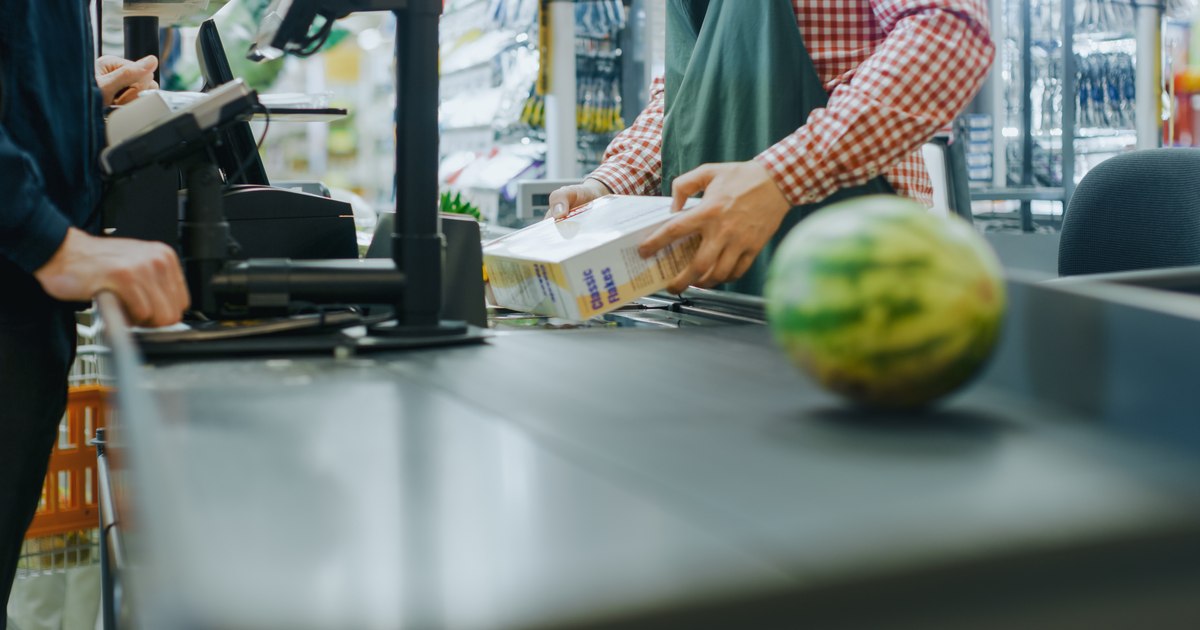
If only a few years ago many Romanians bought impulsively, today more and more ask themselves before any purchase: “do I really need this?” or “can I afford this expense now?”.
From the supermarket shopping basket to holidays, appliances or cars, consumer behavior seems to have entered a new phase dominated by caution and uncertainty.
“The concept of “economy of fear” captures the current psychology of the market very accurately. Unfortunately, we are going through a period in which the Romanian market is going through a stage marked by extreme caution. The transition from a consumption based on impulse and desire to one dictated by necessity and strict utility is already visible in the numbers”. explains Adrian Negrescu, economic analyst, for “Adevărul”.
From impulse purchases to necessity purchases
In his opinion, the transformation of consumption behavior is not just a perception, but a reality supported by several trends and clear macroeconomic indicators. “We were anticipating this phenomenon when, as early as two years ago, we warned that Romanians would end up going to the supermarket like a museum, admiring the products and not being able to afford them. We were saying that we would end up living under the sign of promotions, of sales per hundred grams, and reality practically confirms that Romanians signed up, willingly, out of necessity, in the race for promotions, a kind of “Hunger Games” in the Romanian version”says the analyst.
According to him, one of the most obvious changes is the orientation towards cheaper products.
“We are witnessing, first of all, the “trading down” effect. People are abandoning premium brands in favor of supermarkets’ own brands (private label). The shopping basket remains similar in volume, but decreases significantly in perceived value and quality”. he continued.
Moreover, the change is also visible in the case of important purchases. “Secondly, we are seeing a contraction in durable goods. Sales of appliances, furniture and electronics, such as new generations of smartphones, are seeing much longer replacement cycles. Purchases are mostly made to replace a broken product, not for a simple upgrade,” is the opinion of Adrian Negrescu.
Who feels the economic pressure the most
“This climate of uncertainty affects demographic segments differently, but the paradigm shift is visible at all income levels. Those most affected are those with the lowest incomes, especially those paid the minimum wage in the economy, families with children and retirees. For them, the budget is almost entirely absorbed by basic food and utility bills, leaving zero room for other expenses. In other words, the focus is exclusively on survival.” score this one.
Cash vs card: the payment method that clears your account faster
Even middle-income families do not consume as much as in the past. “In the case of middle-income families, the effects of the “economy of fear” are at work. They are drastically cutting their budgets for vacations, dining out, and entertainment to maintain an illusory standard of living.” admits Adrian Negrescu.
“Even those with high incomes are not immune to this crisis. The impact is not seen in the daily basket, but in major capital decisions. They are delaying the purchase of real estate, luxury cars or risky investments, preferring liquidity or safe assets.”
What happens if Romanians continue to consume less and less
Adrian Negrescu warns that the effects will not be limited to family budgets, but may spread throughout the economy.
“If this defensive behavior intensifies, the shock wave will quickly propagate throughout the structure of the Romanian economy, which is historically dependent on domestic consumption. Retailers’ profit margins will be squeezed. Companies will be forced to rethink their supply chains, reduce stocks of premium products and enter into aggressive price wars, which may lead to bankruptcies among small and medium-sized businesses.” he believes.
By the way, complete this, “the business environment is mirroring the population’s fear. In the face of anemic demand, companies will postpone or cancel expansion and modernization plans. Uncertainty about future changes in tax thresholds or VAT rates will further lock up capital in accounts.”
In his opinion, reducing consumption can create a vicious circle, including for state finances: “A slowdown in consumption directly hits the state budget receipts, from VAT and excise duties. At a time when the budget deficit is already a chronic problem, which requires financing through public debt, the decrease in consumption income could force the state to increase the fiscal pressure again, thus fueling a vicious circle of stagnation.”
A change that could take years
The analyst believes that this is not a temporary fluctuation, but a profound change in the way Romanians look at consumption and money: “Overall, we are witnessing a profound and, most likely, irreversible change in the medium term. We are not just witnessing an ordinary cyclical crisis, but a superimposition of shocks – inflation, political crisis and domestic fiscal unpredictability – that have altered the psychological architecture of the consumer. We will not come out of this consumption crisis very quickly.”
Adrian Negrescu believes that it will take at least another year, if not more, until people will again have the courage to make larger purchases. “And that, of course, only if inflation goes down and their incomes go up. Two conditions that, unfortunately, have little chance of coming true in the next two years,” he concludes.
