
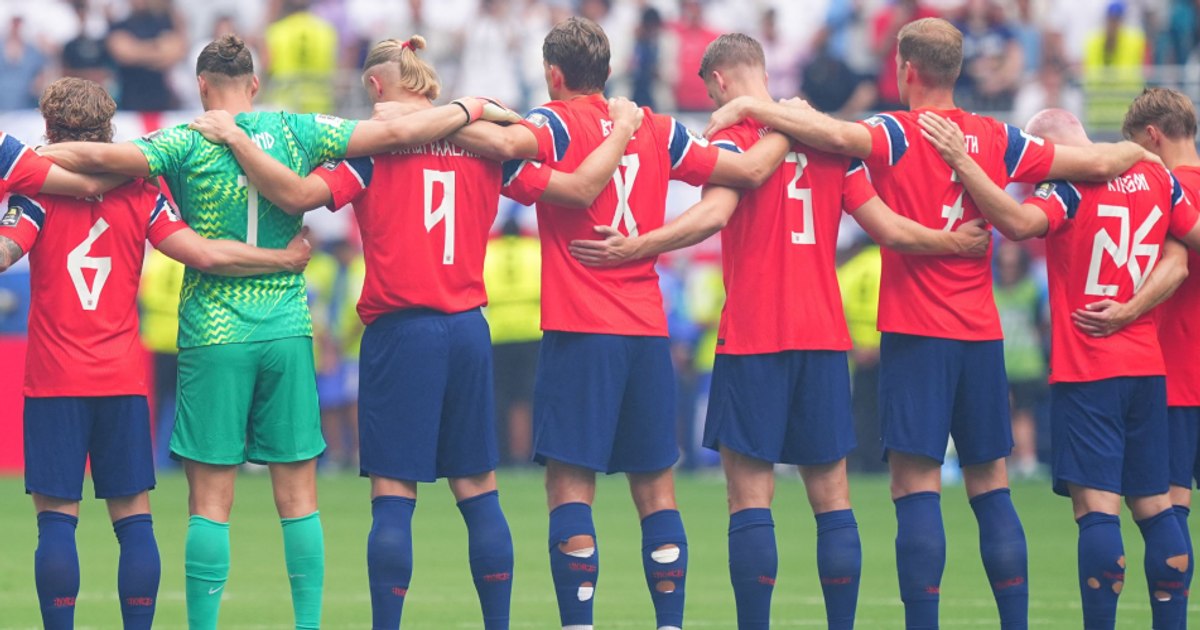
In addition to the spectacular duels and big names present at the 2026 World Cup, a detail in the equipment of the footballers has started to attract more and more eyes. It’s about the unusual way many players choose to wear their socks during matches.
Some footballers prefer to roll their socks up almost to the ankle, others cut them or just use them over another pair, specially designed for extra grip in the boots. According to specialists, these changes are not only made for aesthetic reasons, but also to increase comfort and stability during the game.
An analysis carried out by Reuters highlights the fact that at the current edition of the World Cup there is no longer a standard way to wear the game socks. While some players adhere to the classic style, with socks pulled up to below the knee, others choose customized options, adapted to their own needs on the court.
Gear customization goes even further
In addition to wearing socks in an unusual way, many footballers have started to modify them even before entering the field. More and more often you can see holes cut out in the calf area, a solution adopted by players such as Jude Bellingham, Leroy Sane or Mehdi Taremi.
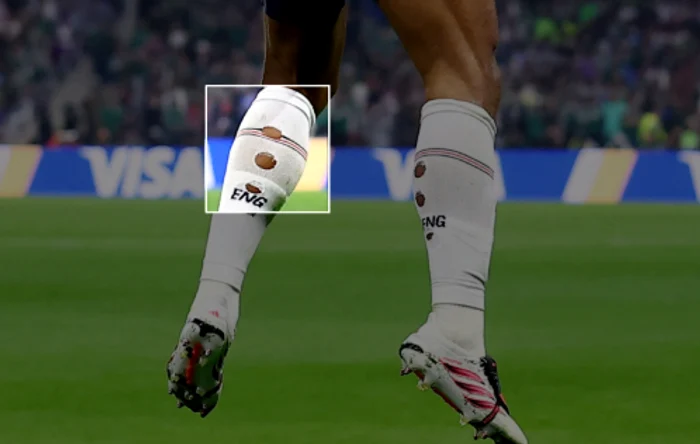
Those who use this method say that this way they reduce the pressure on the muscles and feel more comfortable during the match. There are also opinions that these cuts could promote blood circulation, but experts cited by Reuters say that the effects are not clearly demonstrated.
The rules leave room for player choices
Another noticeable change in the current edition of the World Cup concerns the shin guards. More and more players choose very small models, which are noticeable under the socks. FIFA regulations oblige footballers to wear defenders during matches, but do not specify their minimum size.
Although the official kit must follow the design and colors set by each federation, FIFA regulations give footballers enough freedom to adapt the way they wear their socks. Thus more and more variants appeared on the field, from rolled or cut-out socks to combinations with special models worn underneath.
