
Concern is growing in Japan as more and more cases of infection with a rare but dangerous bacteria called streptococcus pyogenes appear.
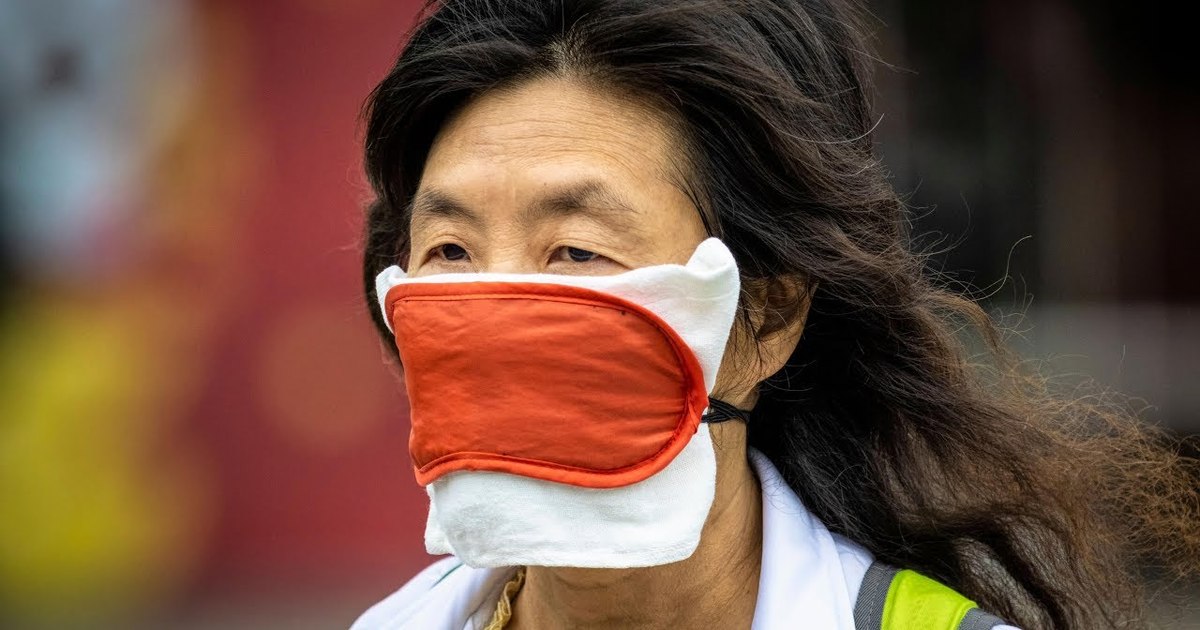
Some Japanese experts believe that the waiver of restrictions is the cause of the spread of the bacteria, archive photo
Until now, it has not been possible to identify the reason why the rate of illness has increased a lot since the beginning of this year, and especially why it reaches severe and sudden forms of infection with this streptococcus, informs The Guardian.
If last year 941 cases of toxic shock syndrome (STSS) were registered, in the first two months of 2024 378 cases of infection were already registered, so experts anticipate that their number will exceed last year's soon.
Known as strep A, streptococcus pyogenes can cause sore throats, especially in children. Many people can be carriers without knowing they have it, because they don't show any symptoms. Bacterial infection can, however, in many cases, especially in adults over 30 years old, cause serious illnesses, develop complications and even lead to death. In the worst cases, it can lead to organ failure and necrosis. In severe forms, mortality is 30%.
In this context, the National Institute of Infectious Diseases (NIID) in Japan announced that the cause of the severe forms is still unknown. “There are still many unknown factors regarding the causes that lead to severe and sudden forms of infection with this streptococcus, we still have no explanation,” said the experts.
People at high risk of developing severe forms of illness following bacterial infection are represented by adults under 50 years of age, among whom the most deaths were recorded. According to the NIID, of the 65 people under 50 who were diagnosed with STSS between July and December 2023, one-third died.
People over 50 years go through this disease more easily. They can have cold-like symptoms, but there have been only a few cases where the symptoms have worsened, including strep throat, tonsillitis, pneumonia and meningitis.
Some Japanese experts believe that the speed with which the number of illnesses is increasing is directly related to the fact that in May 2023 the government lifted the restrictions imposed during the Covid-19 pandemic. Now the infected people are no longer forced to remain isolated and the rate of spread of the bacterial infection is increasing rapidly. But the biggest concerns are related to the increasing number of patients with severe forms.
Ken Kikuchi, a professor of infectious diseases at the University of Tokyo, is one of the supporters of the theory that this “worrying situation” is caused by the fact that people have abandoned basic rules for preventing infections, such as regular hand washing.
“In my opinion, more than 50% of Japanese people have been infected with Sars-CoV-2 (the virus that causes Covid-19). (…) The immunological state of people after recovering from Covid-19 could change their susceptibility to some microorganisms. We need to clarify the infection cycle of severe invasive streptococcal pyogenes disease and get it under control immediately,” he told The Guardian.
Normally, streptococcal type A infections are treated with antibiotics, in patients with severe forms these are no longer sufficient, so a combined treatment is resorted to, often in intensive care.
Japan's Health Ministry recommends that people follow basic hygiene measures against strep A, as they did during the pandemic.
“We want people to take preventative measures such as keeping their hands clean and practicing cough etiquette,” Health Minister Keizo Takemi said earlier this year.
