
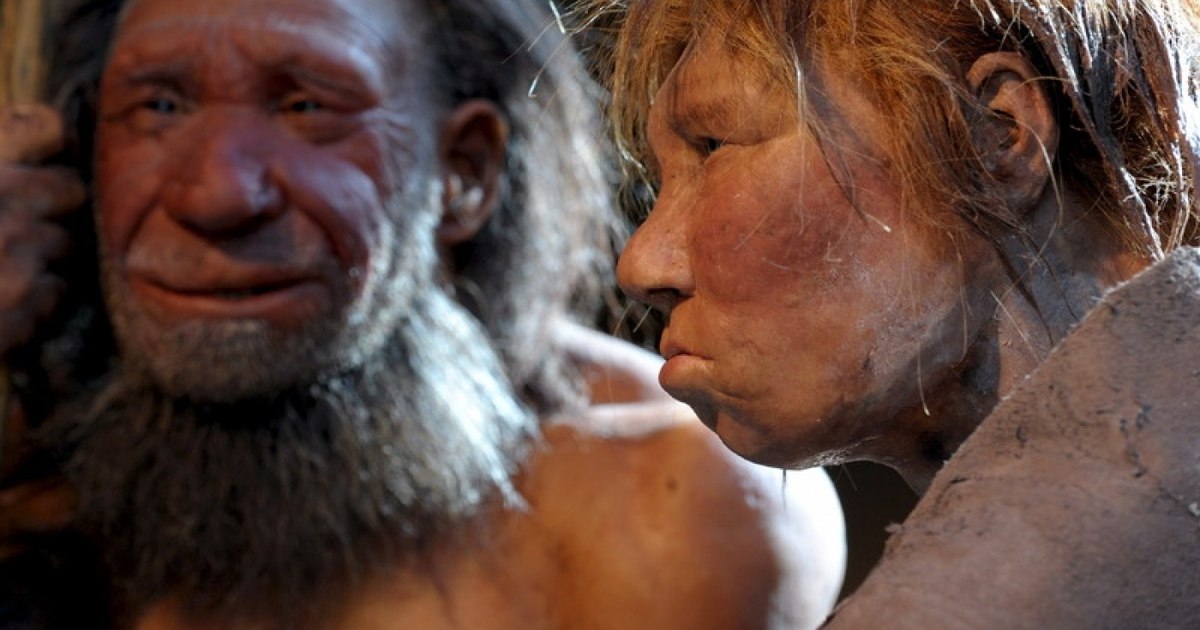
The oldest human viruses, including herpes, have been discovered in 50,000-year-old Neanderthal bones, the Daily Mail reports.
The remains of Neanderthals have been found in a cave in Siberia. PHOTO EPA-EFE (Archive)
Researchers from the Federal University of Sao Paulo, Brazil, have identified remnants of the herpes virus, the sexually transmitted papillomavirus and the adenovirus, also known as, in the DNA of two male Neanderthals found in a cave in Russia. the name of the common cold.
Previous theories have suggested that Neanderthals died out because of viruses, and the latest study may be the first to provide evidence to support that idea.
The team now hopes to be able to synthesize the viruses and infect human cells in the lab to see how they compare to their modern-day counterparts.
“These Jurassic Park-like viruses could then be studied to identify their reproductive and pathogenic traits and compared to their modern-day counterparts“, Marcelo Briones, the lead author of the study, told NewScientist.
“I am skeptical that this could be achieved given the lack of full knowledge of how the DNA of viruses is damaged and how to reconstruct the recovered pieces into a complete viral genome“, he added.
“Also, the host-virus interaction, especially in a completely different environment, is an aspect that needs to be considered“.
“A Major Cause of Neanderthal Extinction”
The team found Neanderthal remains in Siberia's Chagyrskaya Cave in the Altai Mountains, which they used to analyze the genome data of the ancient creatures.
The results showed that the virus remains were not contracted from possible predators that fed on the Neanderthals or from modern humans that may have handled the bones.
Adenovirus causes cold symptoms in modern humans and can cause infections of the tonsils and other mucous tissues, while they may develop genital warts and cancer from the sexually transmitted papillomavirus.
Researchers believe that “Herpesvirus, in particular, may have been a major cause of Neanderthal extinction.”but further tests are needed to confirm the results.
Briones said the findings are not surprising given that people currently suffer from about 10 diseases in their lifetime.
Researchers hope the new discovery could finally shed light on what led to the Neanderthals' demise and extinction.
