
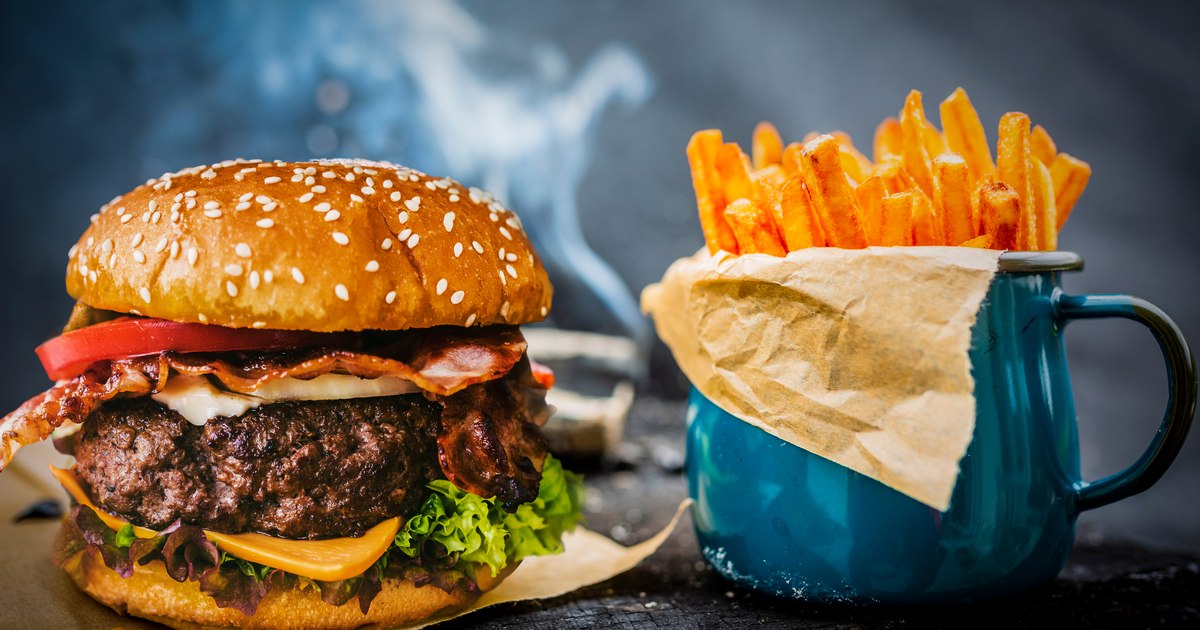
More than 100,000 people – doctors and nurses from all over the world – were food monitored for 30 years, and at the end of the research the conclusions were more than alarming. Processed meats, sugary breakfast foods, and artificially sweetened and sugary drinks make our brains sick with neurodegenerative diseases like multiple sclerosis, dementia, and Parkinson's rather than our hearts or cancers.
Fast food makes the brain sick rather than the heart
The study analyzed data obtained from more than 100,000 people who worked in the health field (nurses and doctors) and who did not, at the time, have conditions such as cancer, cardiovascular disease or diabetes.
Between 1986 and 2018, participants provided information about their health and lifestyle, and this report was submitted to the authorities every two years. In addition, once every four years, the volunteers also completed a detailed questionnaire about their daily diet. The group that ate the least amount of ultra-processed foods also ate the least: three meals a day, on average. This, while the second group had about seven meals a day. The bottom line? The risk of death was higher for those who ate the most. Following the study, experts also found that people who ate the most ultra-processed foods were 8% more likely to die from neurodegenerative diseases such as multiple sclerosis, dementia and Parkinson's. Specialists have also discovered that there are certain ultra-processed foods that can be associated with feeling sick. Among them: processed meats, white bread, sugary cereals, chips, snacks, sugary and artificially sweetened drinks.
What are ultra-processed foods?
“Ultra-processed foods undergo certain changes before they are consumed. For example, certain ingredients are added for preservation, such as sugar, salt, but also certain substances are added to increase the shelf life of the food, such as fat“, Alexandra Vlad, certified dietitian nutritionist, explained to “Adevărul”.
Products such as soft drinks, crisps, packaged soups, chicken nuggets and ice creams, cookies, white bread, frozen meals, etc. they also contain preservatives against mold or bacteria, artificial colors and flavors, emulsifiers that stop separation, but also sugar, salt and fat. We are talking about an extremely toxic cocktail with which we whip our body every day, without thinking too much about the consequences. This, even if such a diet robs us of years of life. The reason? These foods are addictive. “They have this effect on the brain and we end up consuming them often and for very long periods of time. These foods ultimately define our lifestyle“, continues the nutritionist.
How do you know if a food is ultra-processed? “We should learn to read food labels”, explains Alexandra Vlad. “First of all, the smaller the number of ingredients, the healthier the product will be. Then, we must pay attention to the amount of sugar, salt and fat noted on the label. For example, we should choose foods that have less than 10 grams of fat per hundred grams. Dairy products should have up to two grams of fat per hundred grams. Whole grains should contain more than three grams of fiber. And when it comes to sugar, we should choose products with less than 15 grams. Be careful with salt too: food products should not contain more than 120 milligrams per hundred grams“.
An unhealthy diet can lead to obesity, and this condition is closely related to others, many of them fatal: the occurrence of heart disease, diabetes, neurodegenerative diseases, but also cancer of various types.
The secret of a healthy diet
Dr. Mingyang Song, the Harvard researcher who led the study, said that “cereals, whole grain bread, for example, are considered ultra-processed foods, but they also contain various beneficial nutrients, such as fiber, vitamins and minerals“. “On the other hand, I think people should try to avoid or limit certain ultra-processed foods, such as processed meats, sugar-sweetened soft drinks, and artificially sweetened beverages“, the expert also specified.
The most important factor in reducing the risk of death is the quality of a person's overall diet, followed by quantity. “If people maintain a generally healthy diet, I don't think they need to be scared or alarmed. Overall dietary pattern remains the predominant factor determining health consequences. Things are not black and white. A particular food is neither good nor bad, but contains elements of both, and the balance between the two can depend on how much you eat“, Wilde also said. “There has been great interest from both the public and the scientific community in understanding the health impact of ultra-processed foods, which now account for over 60% of Americans' daily caloriesSong said in an email.
A healthy diet is varied, containing foods from all food groups, colorful fruit and vegetables, and whole grains, according to Dr. Peter Wilde, a researcher at the UK's Quadram Institute Bioscience. “If you are concerned about food additives, then choose foods that have a low level of additives. Be careful, however, about the nutritional content of the ultra-processed foods you choose to eat.”
The new findings support the idea that not all ultra-processed foods are equally dangerous. Some, for example, like whole grain bread, can even be healthy. But, draw the attention of specialists, excessive consumption can become harmful. Everything depends, therefore, on a balanced diet, to eat less, but more varied.
Carpatho-Danubian diet
Nutritionist Alexandra Vlad explained that adopting a Mediterranean diet could be the secret to a long and healthy life. “We are talking about a diet adjusted according to the area in which we live, according to Romanian culinary culture and traditions. It involves increasing the intake of fresh fruits and vegetables, whole grains, and cold-pressed sunflower oil. We should eat rice, pasta, spices that are found in our country. Dairy products are just as important. These foods should be consumed daily. We should feast on chicken, turkey, fish and rabbit weekly. Then, legumes, oilseeds, eggs and fatty cheeses”it shows.
According to the latest study carried out by the European Union, in Romania unhealthy food would be responsible for one in four deaths.
“WHO prepares an annual report on the obesity of the population of all countries. In Romania, in 2020, 29% of children were obese. But even more serious is the fact that, according to estimates, in 2035 we will have 41% of obese children. The trend is growing rapidly”, said the nutritionist Alexandra Vlad.
Beware of food cooked on terraces and restaurants!
Dietitian nutritionist Alexandra Vlad raises the alarm about another aspect: the cooked food we buy and eat on terraces, in restaurants or in the food court area of supermarkets.
“Even if it resembles the food we cook at home, we have no control over how these dishes are cooked. We are talking about dishes that contain, many of them, ingredients that preserve their freshness for a long time, extend their shelf life. They contain a lot of salt, for long preservation, but also a lot of sugar. Meats, many of them, are first kept in marinades that contain oil, sugar, and artificial flavors. Then we have foods that are fried – and frying has a significant intake of bad fats that set the stage for cardiovascular disease and cancer.” The nutritionist recommends eating these foods as rarely as possible. “The ideal would be to cook at home as much as possible, to use natural and fresh ingredients. Unhealthy diet is a risk factor for colon and breast cancer, as well as many other chronic diseases. I follow the principle of 70% to eat food cooked by us, 30% food from the restaurant. Once a month, we can indulge ourselves“.
