
The United States is facing a phenomenon that endangers public health: in addition to vaccination, parents are also refusing to give vitamin K to their babies. Romanian doctors draw attention to the fact that this trend is starting to be felt here as well. “The administration is done in the maternity ward, sometimes at the same time as the anti-hepatitis B vaccine, and some parents confuse this intervention with a vaccine and choose to refuse it”says Dr. Mihaela Niță, pediatric specialist and internationally certified lactation consultant.
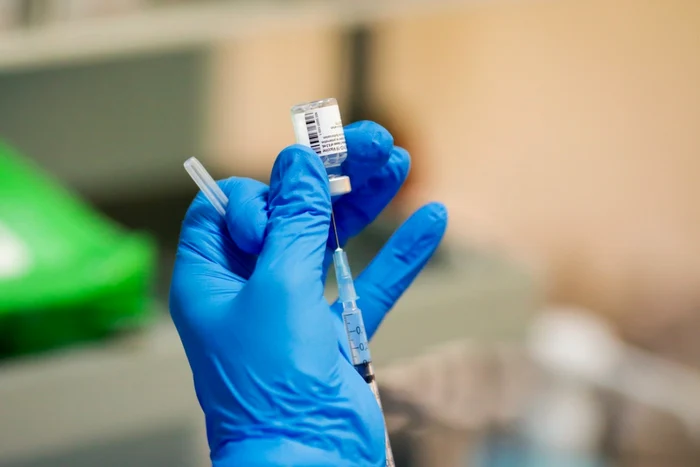
Why is vitamin K important?
“Vitamin K is a fat-soluble vitamin essential for blood clotting. It can be obtained from food and is normally produced by intestinal flora. In newborns, however, the intestinal flora is not yet developed, and the intake of vitamin K is insufficient in the first days and weeks of life. Because of this, babies are at increased risk of vitamin K deficiency, which can lead to hemorrhagic disease of the newborn.” explains Dr. Mihaela Niță.
The condition can also be manifested by intracranial hemorrhages, with fatal potential.
“Through prophylactic administration, this risk is almost completely reduced, making vitamin K one of the simplest and most effective preventive interventions in neonatology“, emphasizes the pediatrician.
How to administer
That is precisely why the vitamin is routinely administered in the maternity ward, immediately after birth, ,,most frequently in the form of an intramuscular injection, in a dose of 1 mg”.
The doctor also says that:
“There are also options for oral administration, in several doses after birth, but they are not as effective as intramuscular administration, especially in preventing late forms of the disease.”
It is precisely the injection that scares some parents.
What is happening in the United States
In the US, refusals have almost doubled since 2017, to the concern of doctors: since the administration of vitamin K at birth has been routine there since 1961, and specialists say that the beneficial results are visible: if the hemorrhagic disease affected one in 60 newborns at the beginning, now the disease is preventable.
Parents who now refuse the vitamin cite different reasons: either they say they want things to proceed as naturally as possible, or they fear the possible effects, influenced by the alarming stories circulating on social media platforms.
The situation in Romania
“And in Romania there are situations where parents refuse to administer vitamin K, although they are not as frequent as in other countries. An important reason is that the administration is done in the maternity ward, sometimes at the same time as the hepatitis B vaccine, and some parents confuse this intervention with a vaccine and choose to refuse it. Qin the context where there is already reluctance towards vaccination, this confusion may contribute to refusal”explains Dr. Mihaela Niță.
How can the phenomenon be combated?
I asked her what she thinks are the reasons for the reluctance.
“Reluctance arises mainly from a lack of information or from incomplete or erroneous information. Many parents are unaware of the role of vitamin K and the real risks of not taking it. Correct and early information is therefore essential. Explanations provided by health professionals, including in childcare classes or prenatal discussions, can make a big difference.”says the pediatrician.
The doctor emphasizes the positive impact of counseling:
“Personally, in the childcare courses I organize, I pay special attention to explaining the role of vitamin K and the importance of its administration at birth. I have noticed that when parents receive clear and balanced information, their decision is much more informed. Most of the parents I have met who refused vitamin K at birth later regretted it and wished they had had more information beforehand. It is important for parents to understand that vitamin K administration is a measure of vital, safe and highly effective prevention. Through clear communication, empathy and consistency, we can significantly reduce this phenomenon of refusal and protect the health of newborns.”
