
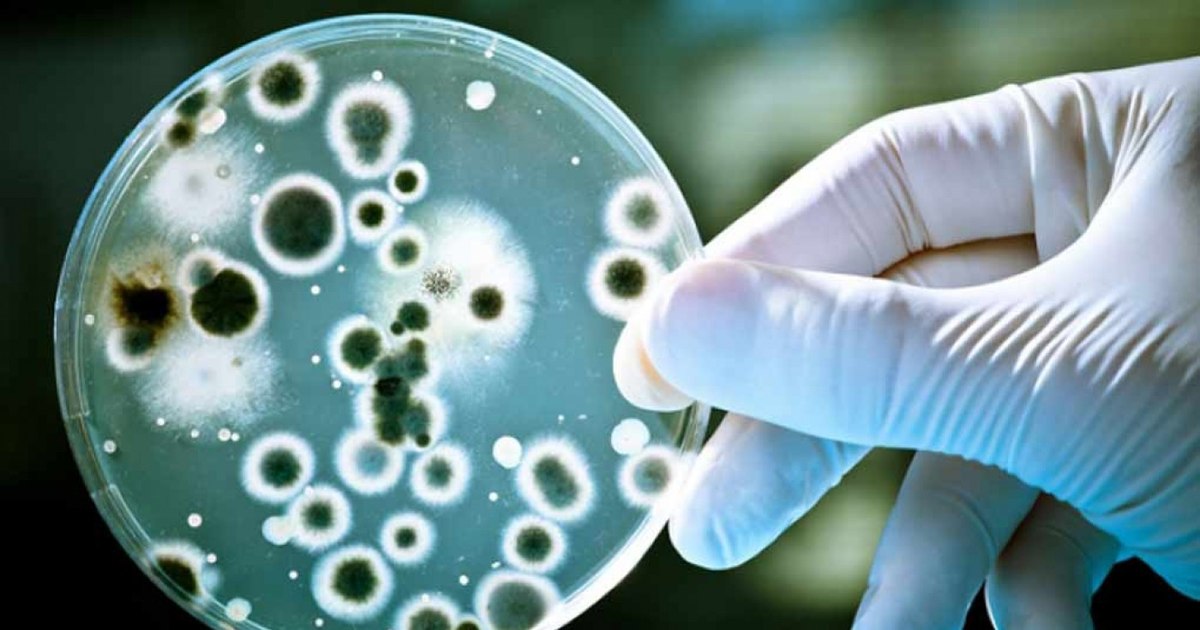
A common global infection, candidiasis, is showing an alarming increase in resistance to antifungal drugs, scientists warn. Specialists have found that an increasing number of strains no longer respond to fluconazole, the main drug used in such situations. And other fungi are becoming more resistant. “We will soon find that we will no longer have solutions for these invasive fungal infections that often put the patient’s health at risk”warns doctor Adrian Marinescu.
Data from the US Centers for Disease Control and Prevention (CDC) show that about 7% of blood samples containing Candida already show resistance to fluconazole, the antifungal that until a few years ago easily resolved such fungal infections
Increasing resistance limits treatment options, even for seemingly trivial infections, writes ScienceAlert. In the case of patients with low immunity or under prolonged antibiotic treatment, the risk of complications is even higher.
Antifungal resistance could also contribute to the increase in recurrent candidiasis. Worldwide, about 138 million women face this problem annually, and estimates show that the number could reach 158 million by 2030.
“In the near future we will discuss the need for new antifungal molecules”
I asked the opinion of the infectious disease doctor Adrian Marinescu. It speaks of a phenomenon with long-term effects.
“Fungal infections, fungi as we popularly call them, are infections much more common than we think. Candida of course takes a leading place. And we are primarily talking about candida albicans, but it is not only it. What I think is more important is that, just as we have a real problem with antibiotics at the moment, in the sense that there is resistance, the same is happening with antifungals. What we’ve found in recent years is that the drugs that were really effective, like flucoconazole, we’ve gotten to the point where the resistance is absolutely remarkable. That is, to be situations where an active fungal infection cannot be resolved with the drugs that we know are useful. And we will see that in the near future we will discuss the need for new antifungal molecules, which are categorically much more potent and which to some extent combat the part related to resistance”, says the manager of the Institute, “Matei Balș”.
Why is antifungal resistance increasing?
The infectious disease physician has identified several causes of the increase in antifungal resistance among fungal infections.
“It’s the same problem with antifungals as with antibiotics, that they are often taken without logic. I have heard extremely often the situation where <
The second factor is related to the fact that sometimes these drugs are prescribed too easily. And patients end up taking them for long periods of time. And there is one more aspect.
“I have heard discussions that this antifungal does no harm, that it is like a supplement. Totally wrong, because resistance is starting to be on the rise more than obvious and we will soon find ourselves running out of solutions for these invasive fungal infections that often put the patient’s health at risk. And they can even lead to death, unfortunately”warns the doctor.
Basically, we are talking about a dangerous puzzle.
“It’s not just that a citizen takes the antifungal by the ear. Here is basically the involvement of the pharmacist, who sometimes dispenses the antifungal and without a medical prescription. He is also the doctor who prescribes with great ease. Just like the pieces of a puzzle.” says the doctor.
What’s happening with antibiotic resistance
The doctor also draws attention to the high consumption of antibiotics during this period.
“We have reached the point where in a season where you expect to have primarily viral infections, we have an increased consumption of antibiotics, without any logic.
At the moment we do this, first of all it does not help us at all in a viral infection. The second aspect is that side reactions can often be feared. For example, adverse reactions to antibiotics are much more frequent and cause more problems than adverse reactions to vaccination, for example.
And the third thing, we’re talking about resistance, which is a more than current problem for humanity.” says Dr. Adrian Marinescu.
