

From the stories of tenants evicted from their homes, to the experiences of those dealing with mental health disorders, two independent projects bring themes almost absent from the official discourse back into the public space. “In the Street: The Voice of Housing”, initiated by the Acting Works Association, and “Distorted Truths”, by the Interdisciplinary Artist Ran Space, transform theater into a tool for awareness and social intervention.
Two independent shows show how public funding can bring about real change.
In a country where major theatres, museums or established festivals hardly manage to keep culture afloat, much of artistic life takes place outside the institutions. Romania has around 4,000 non-governmental organizations active in the cultural field – small groups, local associations or artist collectives that work constantly, often without public visibility and without stable support. For many of these actors, the National Cultural Fund Administration (AFCN) has become, in recent years, the only chance to move their projects forward. Created in 2005, AFCN operates under the authority of the Ministry of Culture, but has autonomy in organizing funding sessions. In 2025, only 31% of the 702 projects registered in the first session received support – the rest remained outside.
This is the fifth episode of the “Arta de a ristista” series, “Weekend Adevărul” brand, about the people and initiatives that keep culture alive in Romania. In this episode, we talk about two social theater projects that turn real testimonies into art and bring back to the discussion ignored topics: the right to housing and mental health.
Cultural intervention: social theatre, between housing rights and mental health stigma
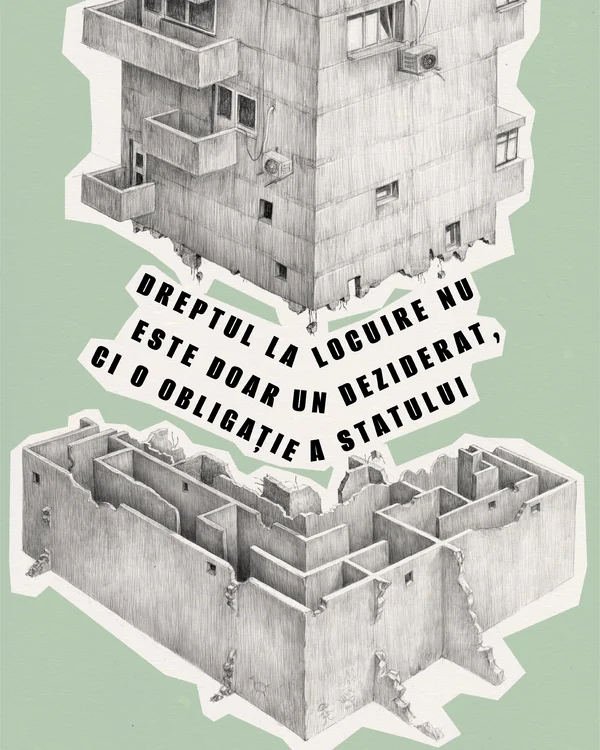
The “In the street: The voice of housing” project, initiated by the Acting Works Association, directly addresses one of the most pressing social problems in Romania: the housing crisis. The show – built on the basis of real testimonies of tenants and those who have gone through abusive evictions – uses the forum-theatre method, inviting the audience to actively participate and seek solutions to the problems presented on stage. “The housing market and housing itself have become a commodity“, says Andrei Șerban, founding member of the association, emphasizing the need for a public discussion about tenants’ rights and the injustices that occur in this market.
The show, conceived as a social and educational theater approach, reached several universities in Bucharest and in the country, as part of a tour that would not have been possible without the support of AFCN. The funds covered essential expenses: team pay, transport, accommodation and per diem. “AFCN funds are vital to us“, points out Andrei Şerban. “They allow us to make a theater with free access, intended especially for the public who cannot afford to pay for a ticket“. Without this funding, the project would have suffered the fate of many other independent initiatives: “Without her, the show would have died by itself. Our audiences can’t afford tickets and many independent shows end up playing a few times and then disappearBasically, the tour wouldn’t have happened, and the message of the project would have gone without an echo.
The show was built from the real testimonies of the evacuated people.
The interaction with the audience also brought a validation of the theme’s relevance. Many viewers found themselves in the stories brought to the stage and actively participated in the discussions in the forum, contributing ideas and solutions. “Tenants are increasingly under pressure, rents are rising and the percentage of salary spent on housing is one of the highest in Europe“, warns Andrei Șerban. For initiatives that discuss sensitive topics related to housing, finding financial support outside of public funds becomes almost impossible. Collaboration with the private sector, especially in the real estate sector, is practically excluded. “The private sector has no interest in supporting such projects, because it would be a direct conflict with the big corporations in the field“.
The future of these initiatives remains uncertain, especially against the backdrop of austerity measures affecting the entire culture: “We’re a little scared of what’s next. Culture, education, health were never prioritized. An uneducated public is easier to manipulate – and maybe that’s the pointDespite the pessimism, the Acting Works team continues to fight for the right to housing, access to culture and a real debate about community issues.
“Distorted Truths”. Mental health stigma, on stage
The “Distorted Truths” project of Interdisciplinary Artist Ran Space started from a real need to discuss the stigmatization and romanticization of mental health issues in Romania. The team extended a dissertation work into extensive research, with the support of the Estuar Foundation, the “I’m Autistic” Association and mental health specialists, to build a show that speaks honestly about the realities and prejudices surrounding this topic. “The project set off a kind of alarm signal related to all the trends that were still appearing on social media, such as “three signs that you have depression”, and we greatly expanded the research to everything that means consulting beneficiaries and specialists“, says director George Zamfir.
Funding from AFCN was absolutely necessary for the project to come to life: “It could not have happened without this funding. It’s a full-time job of research, production, set, costumes. It would have been very difficult without this support“, explains Zamfir. The actor Mihai Trăsnea adds: “I know that there is also the possibility of attracting financing from other parties, perhaps private financing, but some also come with a certain series of specific requirements. So it’s clear, without funding from AFCN it doesn’t work“.
From the first idea to the premiere, “Distorted Truths” assembled an extensive team of 16 people, from actors and assistants to PR and visual artists. The organization and management of the budget were done jointly, without a project manager, each directly involved in the writing and implementation of the project. “We manage the budget together, we are quite new and we operate more in a shared system… we all get involved in such a way that everyone is informed and there is transparency between us“.

“Distorted Truths” talks about stigma, but also about the power to face it.
Beyond the logistical challenges, the team felt the project’s impact most strongly in the reaction of the direct beneficiaries. Estuar Foundation, partner of the project, found their stories and people on stage, without them feeling exposed or betrayed. “Our beneficiaries felt represented, enjoyed the show and were even inspired to continue their art therapy activities“, says the director. Mihai Trăsnea emphasizes that the reactions of the spectators validated exactly the themes they set out to touch: “Everyone I spoke to after the show told me they realized how much stigma is present, sometimes without realizing it“.
As for the future, both voices are cautious, even worried: “It is clear that very little is invested in culture, and when budget problems arise, culture is always the first to be cut. Funds like those from AFCN help independent artists a lot, but we see how state institutions end up applying for such funding more and more often, making the competition even tougher for those just starting out“, says George Zamfir. “We have always proposed that there should be no compromise in terms of the artistic act and the message we want to convey. Whatever we do, let’s not compromise our target at the moment by not taking funding that would force us to say certain things or limit our message“, adds Mihai Trăsnea. For “Distorted Truths”, creative independence and real dialogue with the community remain essential – but the future of these initiatives still depends on the existence of stable sources of funding, which would allow the projects not to become “distorted” by compromises.
