
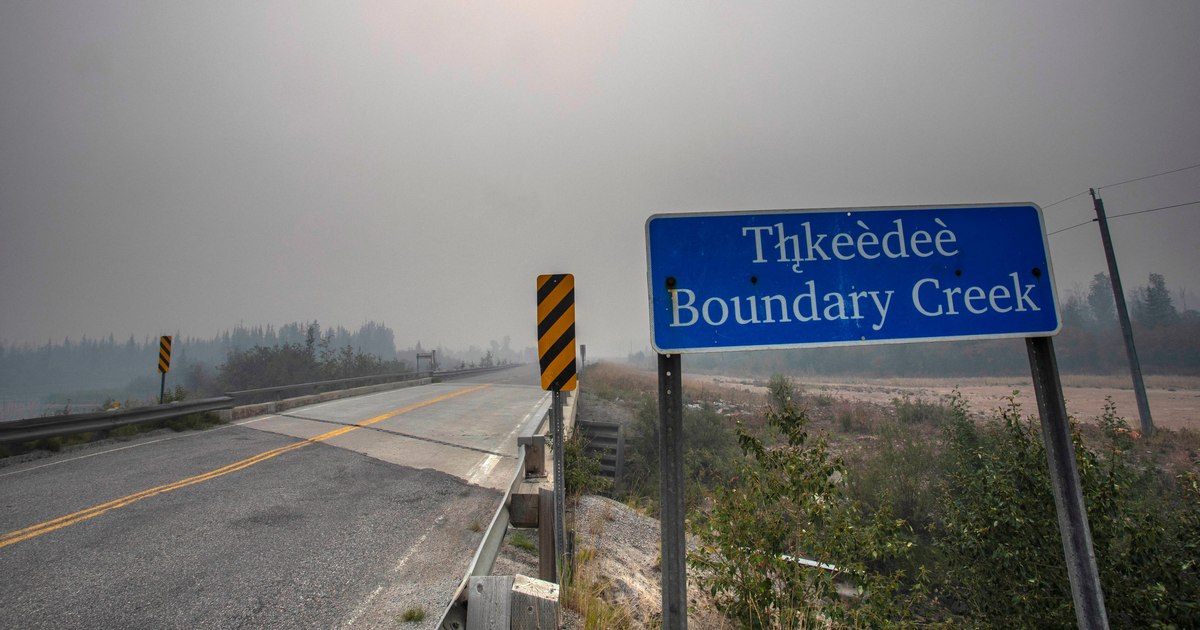
Wildfires in Canada, Alaska and eastern Russia in the late spring and early summer are contributing to carbon emissions, experts have warned, according to The Guardian.
Northern Hemisphere fires contribute to carbon emissions PHOTO Archive
The Northern Hemisphere saw a large number of intense fires in the first half of the summer, carrying vast amounts of smoke across Eurasia and North America.
Research by the Copernicus Atmospheric Monitoring Service (CAMS) showed that large-scale and intense fires developed during the late spring and summer, with numerous fires breaking out in Canada, Alaska and eastern Russia.
These fires are generally caused by long periods of hot, dry conditions in areas with rich vegetation and have led to increased carbon and smoke emissions. The smoke also began to spread much further north, reaching across the Arctic Ocean into the high Arctic.
Emissions from Russia’s wildfires in June and July were higher than in the previous two years, with fires in the Amur Oblast region releasing an estimated 17.2 megatons of carbon over the two-month period, the most since the last 22 years. Canada also had some of the highest totals on record, with total carbon emissions of 11.1 megatons and 13.2 megatons for British Columbia and Alberta, respectively, in June and July.
“We have closely monitored boreal fires in CAMS over several years and have observed some extreme fire emissions and atmospheric impacts during this period, particularly in Canada, eastern Russia and the Arctic”said Mark Parrington, CAMS researcher.
Increased fire activity, a major factor
Guillermo Rein, professor of fire science in the mechanical engineering department at Imperial College London, said: “In recent years, the fire season is expanding, starting earlier and lasting longer. But it’s not just that the fire season is getting longer, it’s that the intensity of the fire season is becoming unprecedented.”
According to official Russian figures, the number of fires this year has decreased by 30% compared to the previous year, but the area burned is 50% higher, highlighting the intensity of the fires.
These increases in smoke emissions have resulted in very high levels of air pollution and can lead to various health complications.
“In the short term, the most obvious complications are for the respiratory systems, being particularly dangerous for people who have underlying conditions such as asthma, heart disease and lung disease.”reported Dr Marina Romanello, researcher at UCL’s Institute for Global Health, who also added that “as the incidence of fires increases, people are repeatedly exposed to acute levels of fire-related air pollution, increasing the risk of developing chronic conditions such as cardiovascular disease and cancer”.
What role do smoke particle concentrations play?
Concentrations of harmful very small particles in the smoke, known as PM2.5, were several times higher than the World Health Organization’s recommended 24-hour average exposure threshold in a wide region that includes eastern Mongolia, northern -eastern China and northern Japan.
“PM2.5 particles are able to get very deep into the lungs, crossing the blood-lung barrier and entering the bloodstream, making these high levels of smoke emissions particularly concerning.”Romanello also said.
Although the estimated carbon emissions from the 2024 fires are very high so far, the season is still far from reaching the catastrophic level of 2023, when much of North America experienced record levels of PM2.5.
“We don’t think this season is going to break any records, but it’s a weird situation where we’ve seen the worst records for so long that when you see that, you think things are OK, when actually it’s still pretty bad.” , concluded Guillermo Rein.
