
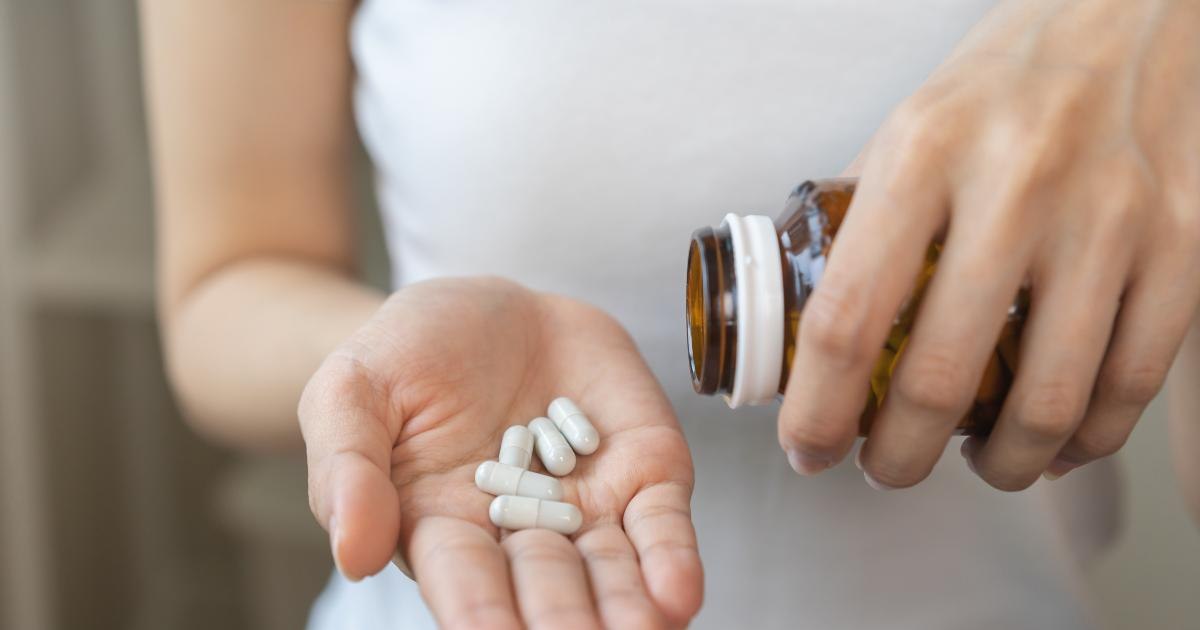
A recent self-medication survey shows how often we take medical risks without fully aware of the consequences: we administer “after the ear”, we combine drugs without knowing the risks and ignoring the prospects as if they would not look directly.
Many Romanians take drugs “behind the ear” and administer them to children
“Medical decisions taken In the absence of a specialized consultation They are common and often risky. It is natural to want a quick solution when a pain or discomfort occurs. But even when the symptoms seem minor, a short discussion with the doctor or pharmacist can make the difference ”, explains Andreea Ivan, pharmacist Spring Farm.
Over 62% of Romanians take treatment for pain without medical advice
Romanians frequently treat ordinary pains, such as head, back or stomach, without asking for a doctor, in an alarming proportion, over 62%. Even worse, 4 out of 10 Romanians venture to take drugs “by ear” including in cases of cold, flu or infections. Almost a third I recognize that they treat only digestive problems, such as bloating or constipation, and almost 30% consume drug supplements for energy and immunity without a medical evaluation.
Another problematic aspect is that 13% of Romanians use, without medical recommendation, drugs for anxiety, stress or insomnia, thus exposing major risks, such as developing dependence, aggravation of psychic symptoms or the appearance of dangerous adverse reactions caused by drug interactions.
Among the most serious consequences of self -medication are the affectation of liver function, deterioration of digestive health and the risk of late discovery of serious diseases, because the symptoms are masked by incorrect and excessive administration of drugs.
In order to avoid these risks, the pharmacist or the doctor can quickly provide clarifications and tips on the correct administration of treatments, drug interactions or choosing supplements.
1 in 4 parents treat their children without medical advice
An alarming finding of the survey concerns self -medication in children: a parent in four admits that he was given the child without a prior specialized consultation. This habit can have serious consequences, because doses and even types of safe drugs differ in children from adults.
“The administration of medicines to children should be done carefully, because it requires adaptation to the age and weight of the child. Safe drugs for adults may have undesirable effects on the little ones, and the doctor or pharmacist can provide clear guidance for the correct, efficient and safe administration.”, Pharmacist Andreea Ivan stressed
20% of Romanians take antibiotics for flu and cold
Another worrying result is the tendency of Romanians to use antibiotics as universal remedies, including in situations where they are inefficient or contraindicated. About 20% of Romanians take antibiotics for a simple cold or flu, without the recommendation of a doctor, although these conditions are caused by viruses, on which antibiotics have no effect. In the case of flu, antibiotic treatment is prescribed only if bacterial complications occur, and exclusively from a medical consultation.
“Many patients interrupt antibiotic treatment as soon as the symptoms disappear and retain the remaining antibiotics for further use. These habits may decrease treatment efficiency and favor resistant bacteria“, States the pharmacist.
In addition, almost 16% of respondents combine antibiotics with dairy products, which can reduce the absorption and efficiency of treatment. Pharmacists emphasize the need for a medical evaluation before initiating such treatment, to prevent antimicrobial resistance, a major public health problem.
7 out of 10 Romanians combine paracetamol with other drugs
I also took Coldrex, and Paracetamol, what much? The negligent combination of drugs is another risk factor revealed by the survey. Over 68% of respondents are used to combining paracetamol with complex drugs for cold and flu (Coldrex, Fervex, etc.), without realizing that they already contain paracetamol. Thus, they get to administer an excessive cumulative dose of this active ingredient.
Andreea Ivan stresses that many of the products commonly used in viruses can become risky if they are not properly understood. “Self -medication often involves the administration of excessive doses without realizing it. This unintended overdose can significantly increase the risk of liver damage. Checking the active ingredients and requesting the advice of the pharmacist can prevent such situations. ”, added it.
- Almost 10% combine the drugs they find in the house and take ibuprofen and aspirin together
Both have anti -inflammatory effect, and simultaneous administration increases the dose and risk of adverse effects, especially gastric irritations or coagulation problems. In such situations, it is indicated the use of a single drug, with the guidance of the pharmacist.
Over 1 in 3 Romanians combine treatments with supplements or natural remedies
Over one third of the respondents (37%) combine conventional medicines with various dietary supplements or natural remedies, in parallel, without asking the doctor’s advice on possible interactions.
Only 12% check (either online or consulting prospects) the compatibility of the treatments they follow. In contrast, a public segment (6% of respondents) starts from the wrong premise that if a product is “natural”, then it is automatically and lacking in danger. This assumption can lead to neglecting possible side effects or significant drug interactions.
In order to avoid such situations, it is important to seek the advice of a pharmacist or doctor before combining treatments or starting a new supplement. This is a simple but essential measure for treatment safety.
We ignore the prospectus and expiry date
10% of respondents recognize that they use expired drugs, despite the obvious risks. Also, 11% of them took a medicine without checking on the expiry date. Only one in ten respondents reads the full prospectus of a drug before administration, and 12% bought online drugs based exclusively on internet recommendations about their efficiency.
“The decision on forgotten doses should not be left by chance. The way you react in such situations can influence the efficiency of the treatment or generate risks. The pharmacist may recommend the right solution according to the drug and the patient’s situation ” explains pharmacist Andreea Ivan.
Half of Romanians skip the forgotten doses
Ask how they react if they forget a dose, the respondents replied:
• 50% jump over dose
• 30% take it as soon as they remember
• 9% take it again, uncertain if they already took it
• 17% decide alone, depending on the drug, whether they recover the forgotten dose or not.
This ad-hoc approach can lead to either subdosis (the disease is not treated properly) or accidental overdose (if they take doses too close as time).
Almost a quarter of Romanians choose how to start treatment
At first glance, Romanians seem careful when it comes to a new treatment: 3 out of 4 respondents ask the doctor or pharmacist if the drugs are compatible with those they already take – a fair and encouraging habit.
But not all follow this example: 12% are looking for responses on the Internet, 6% believe that a “natural” product is automatically safe, and 4% is based on what they have taken in the past, without checking if that treatment is still suitable.
Equally important is and how long the treatment follows. Although almost 90% respect the indications to the end, the rest decide alone: 5% stop according to symptoms, and 3% give up completely when they “feel better”. In the case of antibiotics, these spontaneous decisions can lead to serious complications, including bacterial resistance.
Frequent mistakes in administration of treatments
• 28% passes the tablets to swallow them easier, a gesture that can affect the absorption or efficiency of the treatment.
• 8% take drugs on an empty stomach, even when the prospect indicates something else – a mistake that can lead to gastric irritation or lower treatment efficiency.
• 5% combine treatments for thyroid with coffee, an association that reduces the absorption of the active substance.
The way we administer medicines significantly influences the efficiency of the treatment. Apparently minor details, such as respecting indications related to the time of administration or avoiding combining medicines with certain foods and drinks, are as important as choosing the drug itself.
What can we do better
• Always check the active ingredients in drugs.
• Always ask the doctor or pharmacist before administering a new treatment.
• Do not keep unused antibiotics “for next time”. Instead, take them to the nearest pharmacy that collects expired or unused drugs, to be safely eliminated, without risk to health or average.
• Read carefully the prospectus of medicines to prevent possible risks.
The study shows that many of the frequent mistakes in self -medication start due to the lack of basic information or the habit of making decisions “as best”. Whether it is combined treatments without verification, their interruption too early or administering supplements without an endured advice, these choices can reduce efficiency and lead to complications over time. In such situations, a simple tip, requested at the right time – either from the pharmacist or from the doctor – can make the difference.
The role of the pharmacist is not limited to the release of a treatment, but also includes the patient’s counseling on the correct use, the prevention of interactions and the interpretation of the prospectus.
