
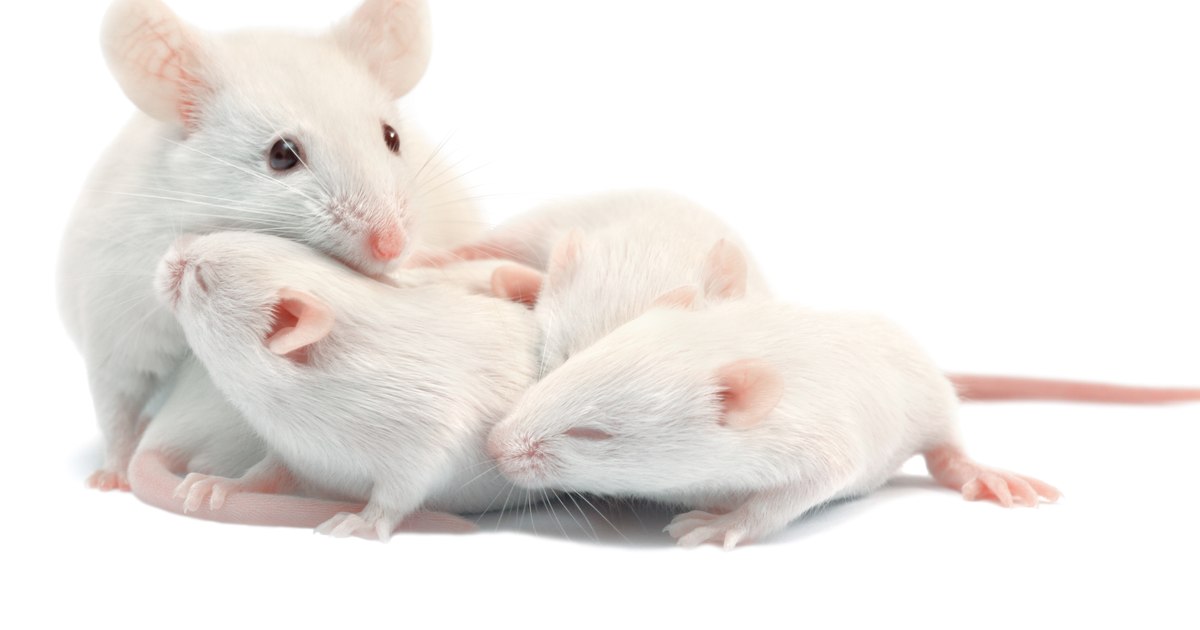
A team of scientists has been able to cure type 1 diabetes in mice without resorting to long-term immunosuppressive drugs, using an innovative technique that combines elements of the donor’s immune system with those of the recipient body, according to Live Science.
The research results, published recently, could pave the way to curative treatments for humans, although further extensive studies are needed.
In type 1 diabetes, the immune system attacks the insulin-producing cells in the pancreas. Over the years, islet cell transplants offered a possible solution, but patients had to take strong immunosuppressants for life, which severely limited the use of this therapy.
A ‘hybrid’ immune system that prevents transplant rejection
The new approach involves the creation of a “chimeric” (hybrid) immune system, consisting of a combination of donor and recipient immune cells. In this way, the mice’s body tolerated the transplant of insulin-producing cells without triggering an autoimmune attack and without requiring permanent immunosuppression.
Dr. John DiPersio, an oncologist at Washington University in St. Louis, who was not involved in this study, says the results are promising:
“This could be a way to cure diabetes. In theory, it’s a major step forward,” says the oncologist
Why is type 1 diabetes so difficult to treat
In type 1 diabetes, immune cells destroy the pancreatic islets responsible for producing insulin.
Without insulin, blood sugar levels rise dangerously high and patients depend on daily injections to survive. Even with optimal treatment, the risk of serious complications – cardiovascular disease, kidney failure, eye damage – remains high.
For decades, scientists have been trying to replace damaged cells with healthy ones taken from donors. The need for lifelong immunosuppression, however, limited this procedure to clinical trials or to patients who needed another major transplant anyway.
A potentially revolutionary treatment
Although the results obtained in mice are impressive, scientists caution that maintaining a stable hybrid immune system is difficult, and the safety of the procedure must be rigorously demonstrated before it can be tested on humans. If future studies confirm the effectiveness and durability of the method, it could fundamentally transform the way type 1 diabetes is treated.
