
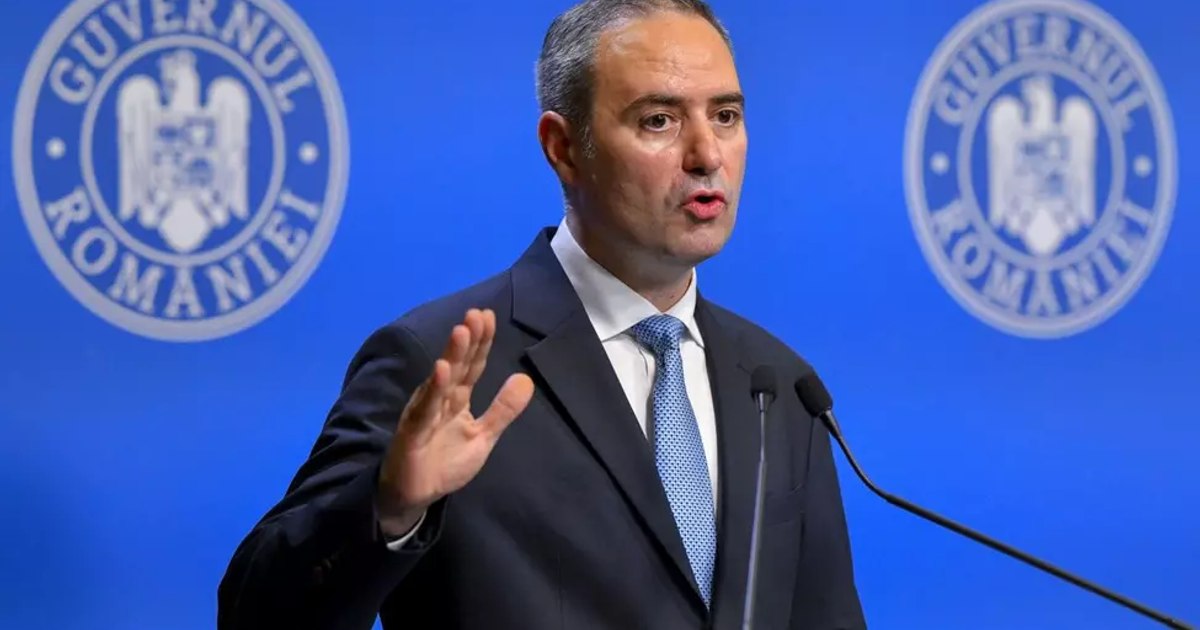
The government adopted, in Tuesday’s meeting, the so-called “Train-train Ordinance”, which reduces certain expenses, postpones others and regulates necessary aspects until the approval of the budget for next year.
The Minister of Finance, Alexandru Nazare, announced, on Tuesday evening, the adoption of the so-called “Ordinances-train”usually adopted by Governments at the end of each year.
“The ordinance had several chapters that I would like to review. First of all, it is about measures to reduce budget expenses, economic recovery measures, stimulation of private investments and simplifications for taxpayers”said the minister.
“Regarding the measures to reduce budget expenses, notable are the reduction of the subsidy for political parties and the amounts granted for minorities, the postponement of the application of some measures that would have generated budget increases in the fields of social assistance.
Indexing mechanisms are modified to ensure budgetary sustainability, prudent updates of some categories of rights and services. Stricter control rules are introduced”the Minister of Finance also specified.
He also stated that the minimum tax on turnover will decrease from January 1 to 0.5%, to be eliminated from 2027 and replaced by the tax on affiliates, the tax on sensitive expenses of companies, so that this tax no longer inhibits development and investments, but stimulates them.
Also, starting next year, a single rate of 1% will apply to micro-enterprises under 100,000 euros and the building tax, the so-called pole tax, will be eliminated.
It is also about measures for vulnerable people, but also for public authorities and measures necessary until the approval of the budget for 2026.
“We have measures to support vulnerable people. We are talking about a perspective for the vulnerable consumer, which extends to the beginning. The ordinance was adopted during this year, it will be extended for next year as well”said Alexandru Nazare.
Also, the Government established rules for the continuation of the program “Healthy Meal”until the approval of the 2026 budget.
The Minister of Finance announced support measures for local public authorities. These concern treasury loans for the projects of the National Recovery and Resilience Plan.
“We are discussing an amount of almost 500 million lei, which from the treasury will be able to be allocated for the co-financing of PNRR projects, under the responsibility of local budgets, with a deadline of June 31, 2026. It is very important that from the first day of 2026, these funding sources will be made available to UATs to use”explained Alexandru Nazare.
On heating, the minister announced support here as well. UATs can receive up to 200 million lei to cover the costs of production and supply of heating agent, including payment of arrears and losses, until March 31, 2026.
This year’s deficit
Asked about the deficit that Romania will record this year, Alexandru Nazare specified that the official data have not yet been published, but the deficit was 6.4% in November compared to 7.15% a year ago, i.e. 121 billion lei compared to 125 billion last year, which means a nominal deficit smaller by approximately 4 billion lei.
Regarding the next year’s budget, Nazare said: “The first consultations for the preparation of the budget will take place in January. Then we will also announce a calendar (for adoption, no). For 2026, we will announce the deficit target at that time, but it will be between 6% and 6.5%, within the limits agreed with the European Commission”.
The government met on Tuesday in the weekly meeting, brought forward by two days, considering the Christmas holidays. Orderly “little train” was on the agenda.
According to a press release from the ministry, the emergency ordinance that regulates a set of measures necessary for the preparation of the budget for 2026, as well as a series of strategic measures for the following year, aims to stimulate Romania’s economy, support vulnerable employees, reduce budget expenditures, strengthen financial discipline and support local public authorities by granting loans from the treasury.
