
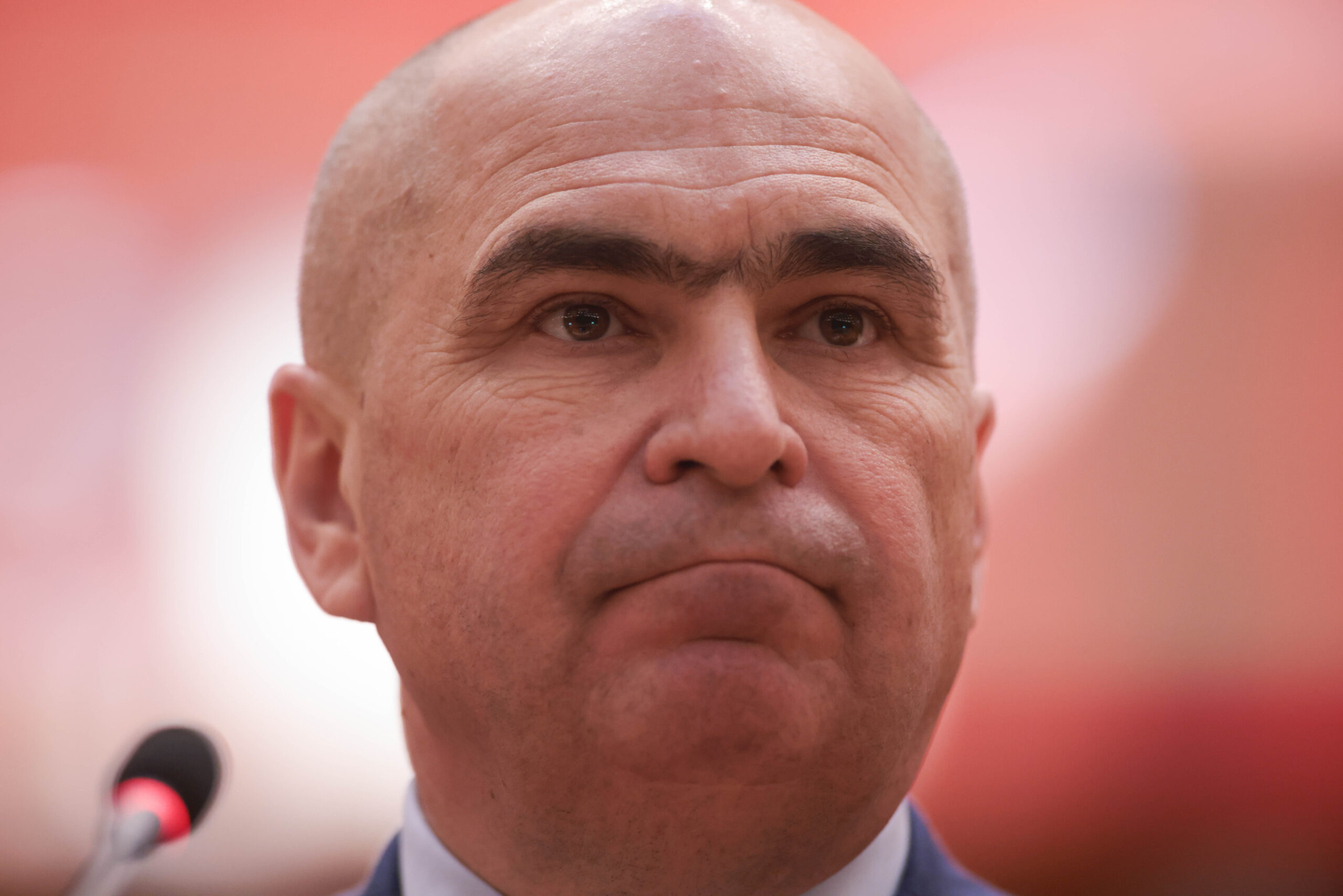
Prime Minister Ilie Bolojan declared on Wednesday evening, in a press conference at the Victoria Palace, that the decision regarding the non-payment of the first day of sick leave “takes into account the realities” and was adopted at the proposal of the Ministry of Health, having a transitory nature.
“It takes into account the realities: last year the expenses for medical leaves amounted to 6 billion lei, almost 8% of the budget of the Health Insurance Fund… As such, the health budgets are very large which have increased year by year… Because the amount for medical leaves could remain in the system, but not for leaves, but to cover the cost of medicines and medical services we adopted a first package. This led to savings of approximately 10% of this amount”the prime minister explained.
Bolojan: We need money for treatments
The Prime Minister specified that the measure comes in the context of supplementing budgets for treatments, especially for outpatients and oncological therapies.
“The Ministry of Health came up with the proposal to supplement the budgets for outpatient treatment, an additional billion lei allocated. In this context, the discussion was to make savings in the area of medical leave. Other countries also have this measure, including to cover the costs of treatments. (…) We need money for oncological treatments, for example”the head of government added.
Asked whether patients with chronic diseases or oncology will be exempt from this measure, Bolojan answered:
“I have all the compassion for cancer patients, I also have family members in this situation, and we will make an evaluation after a month or a day of this measure which is transitory anyway…It is important that, when you grant medical leave, as a doctor you should be aware that we are dissipating expenses instead of supporting those who are really sick. It is a temporary solution until we put in place the mechanisms that do not allow unjustified granting of leaves”Bolojan insisted.
How the payment of sick leave changes
From February 1, the first day of sick leave will no longer be paid. Until now, the sick leave started with the 5 days paid by the employer, and the payment from the state started from the sixth day. The new scheme establishes that the first day will no longer be paid, the next 5 days will be paid by the employer, and from the seventh day the settlement from the state begins. For the usual sickness code, the payment percentages remain unchanged: 55% for 7 days, 65% between 8-14 days and 75% for sick leave longer than 15 days.
The Minister of Health, Alexandru Rogobete, explained that this measure is also applied in other European states and was necessary because “control over medical leave, fictitious in particular, has been lost”.
Rogobete emphasized that it cannot be considered a perfect measure because it brings inequities: “people who really need sick leave and where diseases are not invented can suffer”, which is why he talked to patient associations to reduce side effects.
Petitions and letters to the People’s Advocate were launched to reverse the decision, and patient representatives met with the Minister of Health, who promised to find solutions for chronic patients to be exempted from this measure.
