
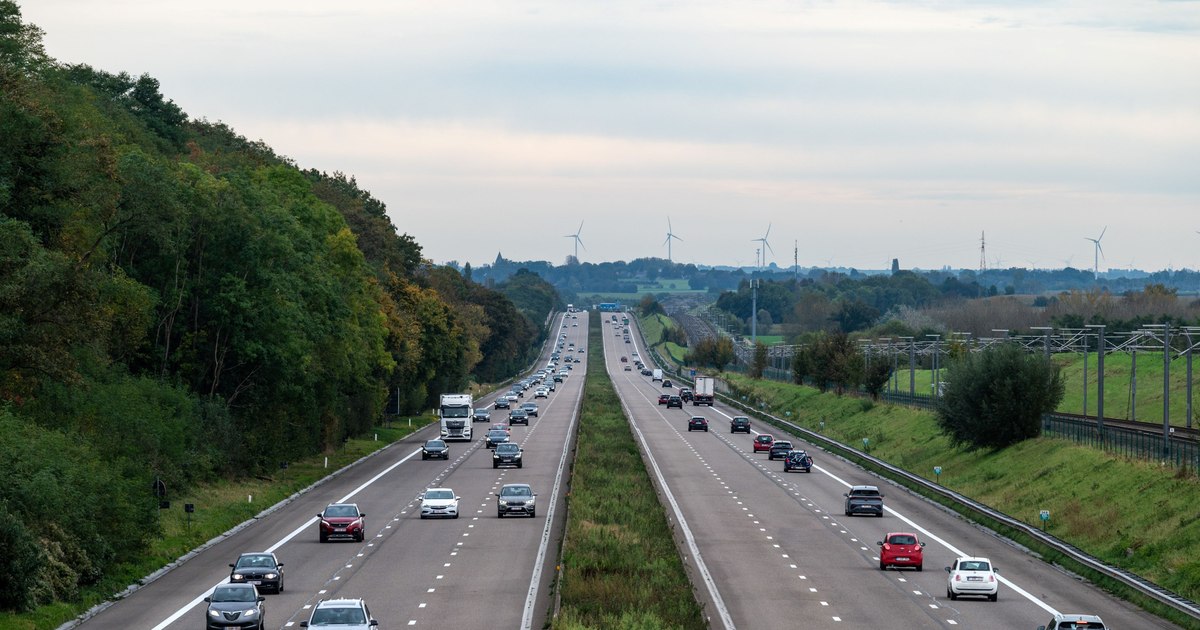
The longest road in Europe, the E40, connects the west and east of the continent over a distance of 8,641 km. The road crosses 10 countries and offers drivers an unprecedented road adventure from Calais, France to Ridder, Kazakhstan. The E40 is the longest artery in the European road network, even if it extends to Central Asia.
Although the E40 is presented as the “longest road in Europe”, this designation does not refer to the fact that the route is entirely on the European continent, but to its administrative membership of the European road network. Route E40 is part of the international E-road system, coordinated by the UN Economic Commission for Europe (UNECE), which also includes sections located outside geographical Europe.
Road trip enthusiasts have at their disposal one of the most spectacular driving adventures in Europe and beyond. It is the E40, the longest road in Europe, which stretches for 8,641 km and connects the west of the continent with Central Asia.
The route starts in Calais, France, and ends in Ridder, Kazakhstan, close to the borders with Russia and China, passing through no less than 10 countries: France, Belgium, Germany, Poland, Ukraine, Russia, Kazakhstan, Uzbekistan, Turkmenistan and Kyrgyzstan, writes express.
The E40 is a complex network of motorways, national roads and roads, crossing varied landscapes, from mountain passes and major cities to vast plains.
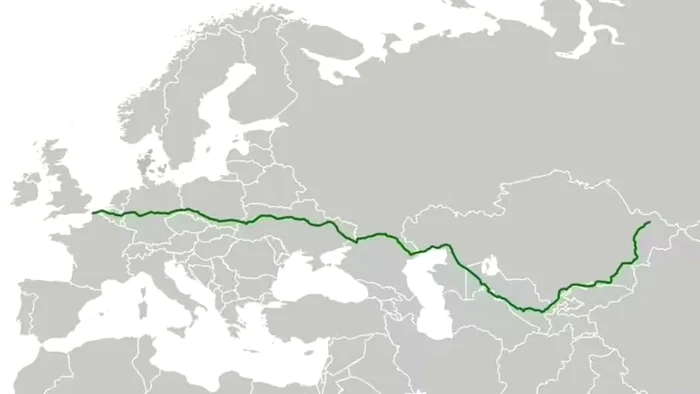
The road is part of the international road network established by the UN Economic Commission for Europe (UNECE) and is also recognized by the European Union, providing an essential east-west connection across the continent.
The route through Ukraine, from the Polish border near Krakovets to the Russian border near Izvaryne, was once one of the most popular segments, but due to the ongoing conflict and security concerns, travelers are advised to avoid it.
According to the cited source, in the past there was also an ambitious project: the E40 Waterway, a canal intended to connect the Baltic Sea with the Black Sea, facilitating trade between Poland, Belarus and Ukraine.
The plan was, however, abandoned due to environmental concerns, possible damage to biodiversity and the risk of radioactive material still present in the area, resulting from the Chernobyl disaster.
