
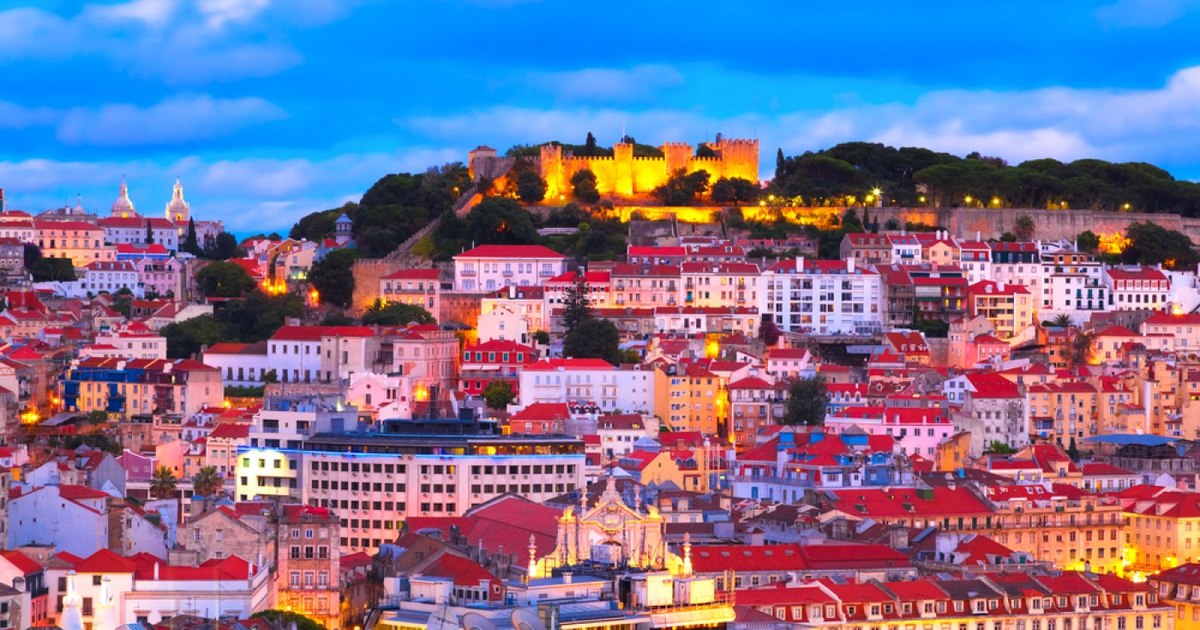
An international ranking dedicated to the most colorful cities in the world reveals destinations where color is part of the location’s identity. The surprise comes from Europe, where only one country manages to “color” the podium with two of its cities in the top 3.
In a world where the image has become an essential part of the travel experience, the colors of cities are no longer just an aesthetic detail, but a criterion of attraction in itself. A new study carried out by the Irish travel insurance company JustCover brings this visual dimension of modern tourism back to the fore, placing Lisbon first in the list of the most colorful cities in the world, notes euronews.
The analysis included 78 destinations known for their chromatic diversity, and the results were obtained on the basis of representative photos taken during the day without strong filters. A specialized program was also used to identify and quantify the number of colors in the images, thus providing a comparative perspective on the visual intensity of each city. In the case of Lisbon, more than 2.6 million colors were detected, a result that places it by far in first place globally.
1. Lisbon, the city “painted” in pastels, azulejos and light
According to the cited study, Lisbon was named the most colorful city in the world, being described by many visitors as a city that seems hand-painted.
The Portuguese capital reveals its charm in historic districts such as Alfama, where narrow streets wind up and down among old buildings covered with decorative tiles (azulejos) in shades of blue, white and yellow.
The pastel facades, the Moorish influences and the light of the Atlantic create a special atmosphere, where every street corner seems like a natural and unreal photographic scene at the same time. The yellow trams, which climb the city’s steep slopes, have become an iconic symbol and a recognizable visual element worldwide, all these details contributing to the positioning of Lisbon at the top of the world ranking.
2. Kuala Lumpur, a futuristic metropolis with traditional roots
In second place is Kuala Lumpur, the capital of Malaysia, a city where modernity and tradition coexist in a strong visual contrast. Glass and steel towers such as the famous Petronas Towers dominate the urban skyline, while Hindu temples, mosques and colonial buildings add architectural and chromatic diversity.
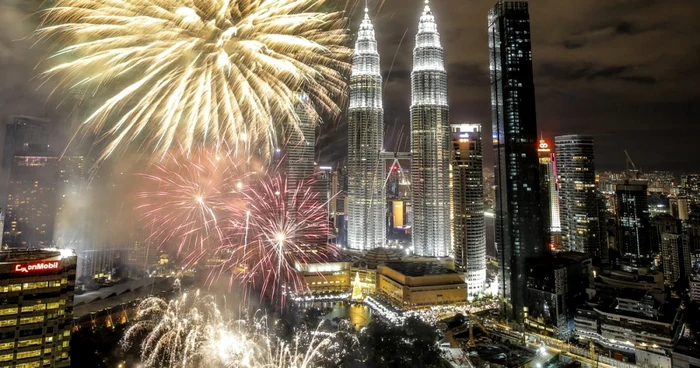
One of the most famous attractions is the Batu Caves complex, located near the city. Its rainbow-painted steps, guarded by a huge statue of the god Murugan, have become a symbol of the region and appear in numerous photographs taken by tourists from around the world.
2. Porto, between nostalgia and color
Porto takes third place and once again confirms Portugal’s reputation as an extremely colorful urban space. The city is built around the Douro River, and its panorama is defined by the colorful houses that step down to the water.
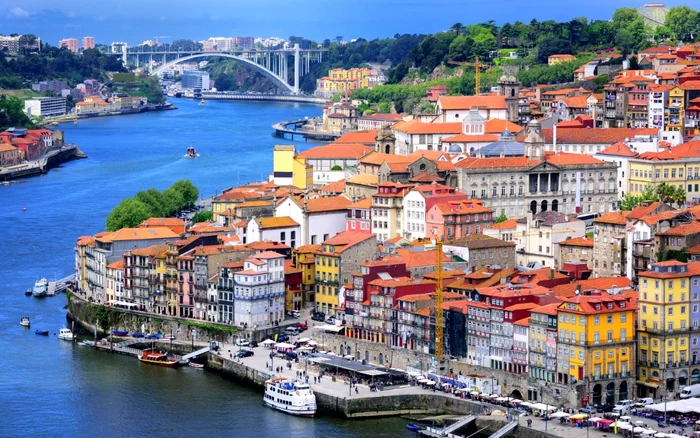
Historic neighborhoods such as Ribeira are a mix of narrow streets, old buildings and narrow balconies decorated with linens and flowers. Terracotta roofs, facades in shades of yellow, pink or blue and iconic metal bridges create a distinct urban image, where every detail contributes to the city’s visual identity.
Top unmissable destinations in Europe, outside the popular FOTO circuits
Beyond the color, Porto is at the same time a city of wine tradition and bohemian atmosphere.
4. Cartagena, the Colombian city where color defines everyday life
In fourth place is Cartagena, one of the most vibrant cities in Latin America.
The old town, surrounded by colonial walls, is an explosion of colors, from the intense yellow of the Clock Tower to the facades painted in blue, green, pink or orange.
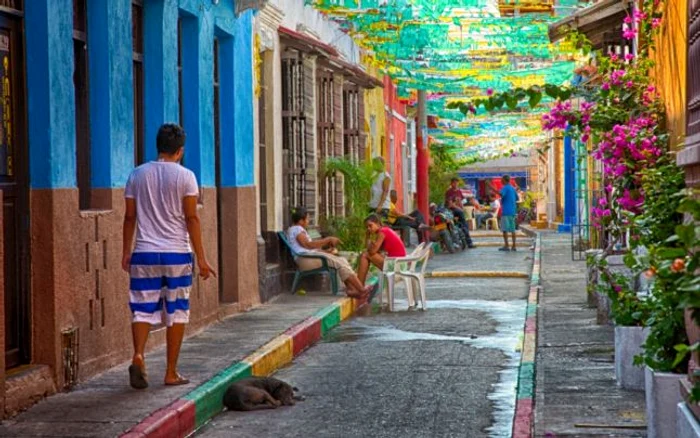
Wrought iron balconies are covered with tropical flowers, and the cobbled streets are animated by music, street vendors and tourists, who themselves create a strong chromatic effect.
The overall atmosphere is warm, tropical, almost theatrical, where color becomes part of everyday life, not just decoration.
5. Rio de Janeiro, between wild nature, beach and urban color
Rio de Janeiro ranks fifth and is one of the most visually spectacular cities in the world, with more than 2.3 million unique colors identified in images of its landscapes and buildings, but especially during the famous Rio Carnival.
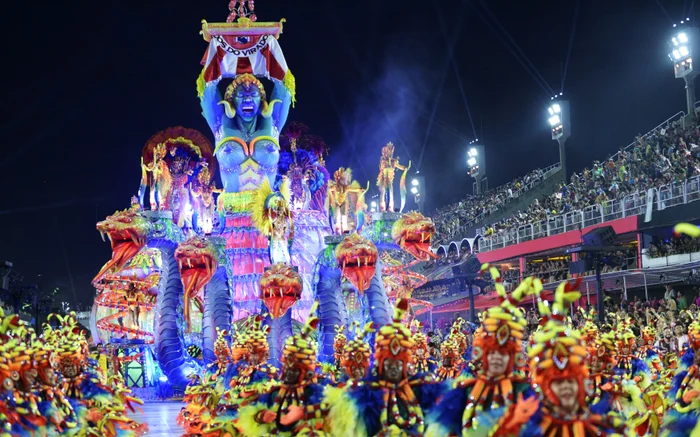
Between the mountains, beaches and ocean, the Brazilian city combines nature with an intensely colorful urban life.
An iconic symbol is the Selarón Stairs, made of thousands of ceramic tiles brought from all over the world, especially in shades of yellow, blue and green.
Copacabana and Ipanema beaches, colorful favelas and eclectic-modern architecture complete a vibrant cityscape, where color is part of the city’s cultural identity.
Top five destinations for city-breaks and vacations, preferred by Romanians year after year
Other top cities
The ranking continues with cities such as Guanajuato, Havana, New Orleans, Antigua and New York. Each of these stands out through its own visual style: Guanajuato through its colorful houses arranged on the hills, Havana through its decaying but charming colonial buildings, New Orleans, New Orleans through a unique blend of architectural styles and cultural traditions, which give it a special visual character, but also through jazz, and New York through its energy and bright advertisements.
These cities demonstrate that the spectrum of urban colors is not only about architecture, but also about street life, culture and daily rhythm.
Europe in the global top of urban color
Europe is well represented in this ranking, not only by Lisbon and Porto, but also by cities such as Dubrovnik and Barcelona. Dubrovnik impresses with its white stone reflecting the light of the Adriatic, while Barcelona combines Gaudí’s modernism with the vibrant palette of its historic districts.
The study basically reflects the current trends in tourism, where social networks strongly influence holiday choices.
Destinations are no longer evaluated only by their heritage or cultural offer, but also by their visual impact and “photogenicity”, which have become essential criteria for millions of tourists.
