
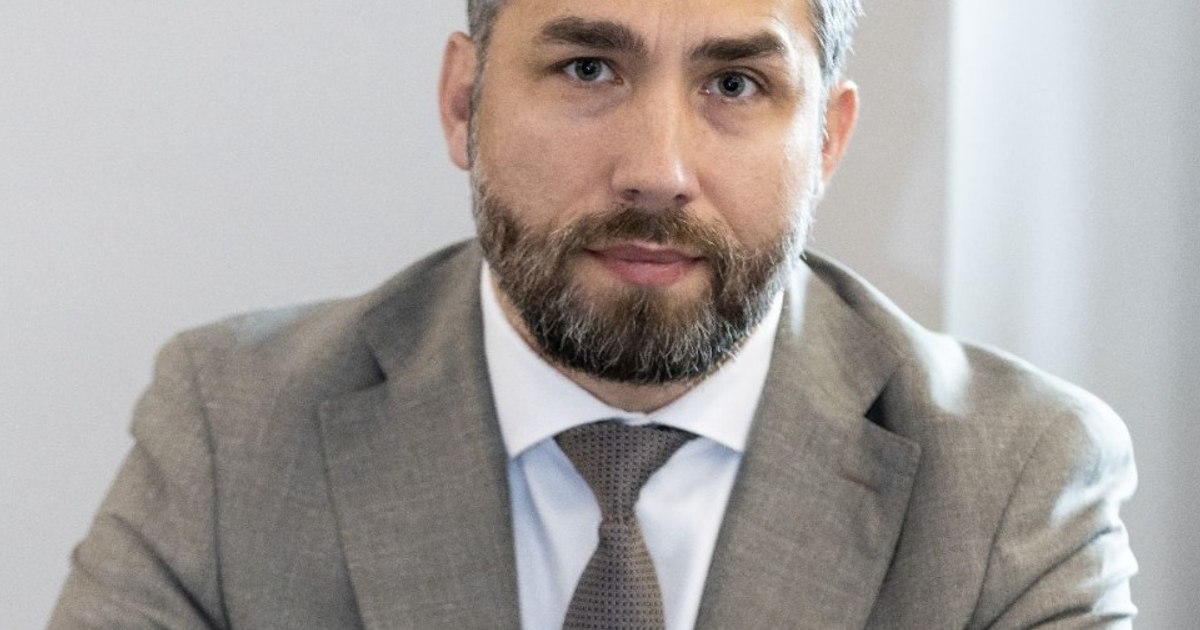
Valeriu Gheorghiță, doctor and former coordinator of the national vaccination campaign against COVID-19, draws attention to the deep problems in the medical guard system.
In a recent post on Facebook, he explained that the current way of organization does not satisfy everyone – patients, relatives and medical staff – and can lead to uninspired decisions or medical errors.
“It is deeply demotivating for healthcare professionals, physically difficult to sustain, logistically and administratively complicated, and perhaps worst of all, increases the risk of errors or uninspired decisions”emphasized Gheorghiță.
The doctor stated that although the issue of guard pay is real, it does not solve the problem and does not reduce the pressure on the medical staff.
“Payment is, of course, a real problem. But no matter how well paid, a guard doesn’t get any easier with money alone. There won’t be fewer patients, less pressure or fewer critical situations. That’s why I think we’re talking, in part, about a ‘false problem’.” explained Gheorghiță.
Fair pay should be seen as a recognition of extremely hard work, with major responsibilities and risks, rather than as a solution to solve structural problems.
The expert pointed out that 24-hour on-call in an emergency hospital is no longer realistic nowadays and that a 12-hour interval seems more reasonable, but the high volume of presentations can make a single doctor insufficient.
“The goal is not to “suffer less time”, but to actually improve the work on call. In emergency hospitals with high addressability, doubling the on-call lines by specialty, in certain intervals, becomes a necessity”, he explained, noting that understaffing is a real problem at all levels.
Gheorghiță drew attention to the difficulty of redirecting patients for consultations or hospitalization when the places are occupied.
“Referral of patients must be simpler, real and transparent, especially when there are no available places. A real-time record of free or occupied places, by specialty, would be extremely useful”said the doctor.
He also pointed out that minor emergencies are very time-consuming and that their evaluation on a separate circuit, with the support of other specialties or general medicine, could significantly relieve the work of the emergency department.
“Minor emergencies, which are by no means few, consume an enormous amount of time. Their assessment, after triage, on a separate circuit, with the support of other specialties or general medicine, could significantly relieve the work of the emergency department”, explained Gheorghiță.
Finally, the former coordinator of the vaccination campaign highlighted that optimizing the activity in outpatient clinics, polyclinics and primary medicine is essential, as are primary prevention measures.
“Informing the population about primary prevention – anti-influenza, anti-pneumococcal, anti-respiratory syncytial virus vaccination, periodic medical check-ups, especially for patients with chronic diseases, avoiding the abandonment of long-term treatments and timely presentation to the family doctor – can significantly reduce the pressure on emergency hospitals”, concluded Gheorghiță.
The doctor concluded by emphasizing that the necessary changes are structural and not limited to the payment of the guard, and the dialogue between the authorities, medical personnel and patients is essential. “These are my thoughts.” added Gheorghiță.
