
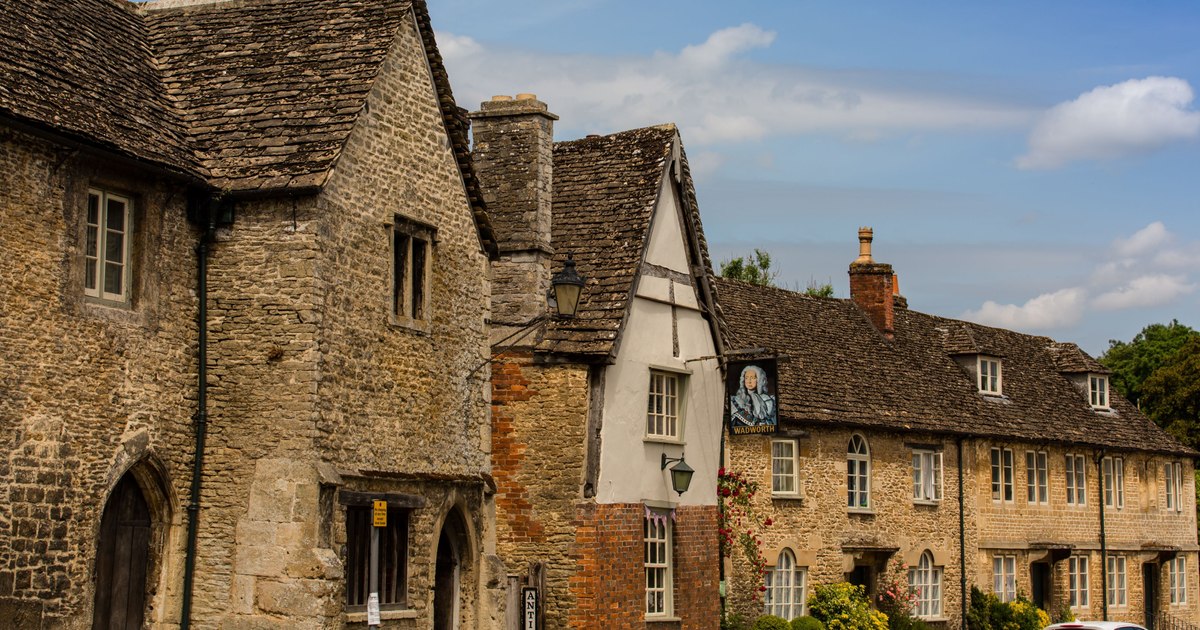
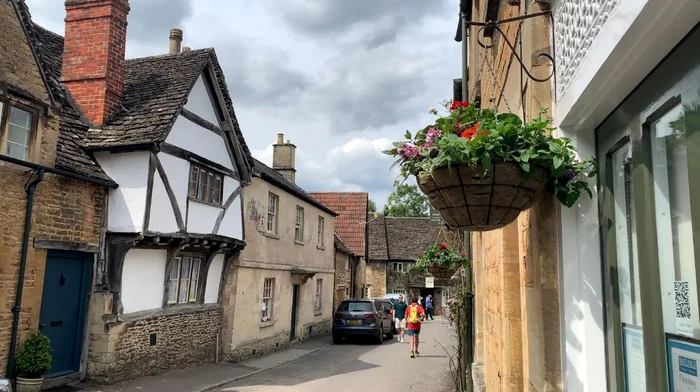
The village on the edge of the much-loved and much-visited Cotswolds region, tucked away in Wiltshire, is often described as one of England’s prettiest, with visitors describing it as a veritable ‘time machine’. With buildings dating back to the 1200s, the town has managed to keep its medieval appearance intact thanks to extremely strict conservation rules. The proud residents are determined to preserve its charm for as long as possible.
Lacock is a real gem of a traditional English village, home to a famous abbey and National Trust listed buildings. With its own local museum and guided tours, the community is celebrating its culture and ensuring its legacy lives on, the Express writes.
Strict conservation restrictions
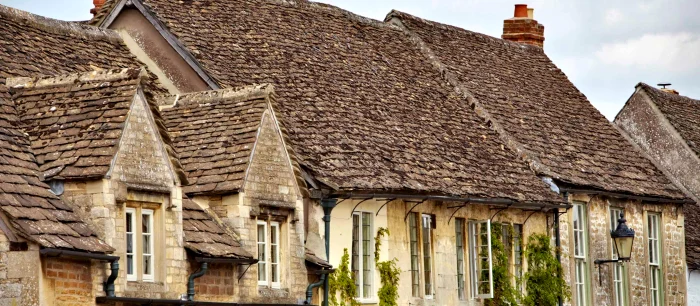
Because it is preserved almost intact, Lacock has a series of strict rules that make it look like a real one “time machine”. Since 1958, when the National Trust took over almost the entire village, the organization has made constant efforts to prevent modern developments.
Thus, modernized street signs, overhead cables (all electrical networks are buried), contemporary lampposts and other modern urban elements were banned. Very strict urban planning rules apply in the protected area. Locals are not allowed to install satellite dishes, make house extensions or modify roofs without special approvals, even for the smallest details.
In addition, the Wiltshire authorities frequently use the so-called “Article 4 directions”which means that any change, even minor, requires planning approval. All these rules make the village remain unchanged, like an image perfectly preserved in time.
Source Facebook / The Red Lion, Lacock Village
A perfect setting for the movie
Due to these restrictions, Lacock became a real “natural plateau” for films and series, producers can use streets and buildings without having to recreate historical sets.
The most dangerous city in the world: people live only 35 years due to lack of oxygen. The reason that makes the inhabitants ignore the danger
The best known example is the franchise Harry Potterwho filmed here before becoming the global phenomenon it is today. The students at Hogwarts have “walked” in the halls of Lacock Abbey: the cloister was used as the halls of the magic school, and the Warming Room served as the setting for Professor Quirrell’s classroom.
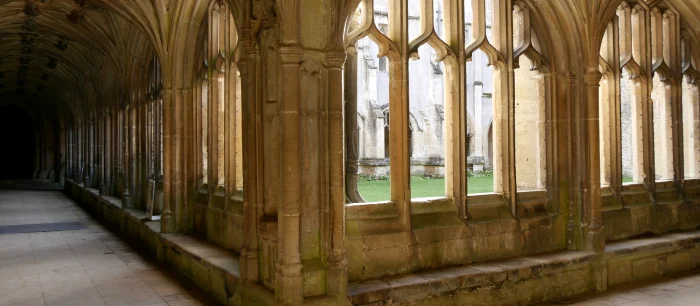
Other spaces of the abbey, such as the vestry, were transformed into Severus Snape’s potions room, and the Chapter House was used for the Mirror of Erised scenes.
Outside of this franchise, the village also hosted filming for Downton Abbey, the 1995 adaptation of the novel Pride and prejudicebut also for Fantastic Beasts: The Crimes of Grindelwald.
The historic abbey in the heart of the village
The abbey in the center of the village, where many of these shoots took place, is surrounded by its own wooded area. Built on the foundations of a former monastery, it combines several architectural styles: medieval rooms, English manor elements and an inner courtyard.
The city in Romania where more and more foreign tourists come for a city break. “It’s a beautiful city, very cheap”
Its more than 800-year history begins as a nunnery before becoming the home of the Sharington and Talbot families.
After it was abolished in 1539, during the reign of Henry VIII and the break with the Roman Catholic Church, the property was put up for sale. A year later the abbey was bought for £730 by Sir William Sharington.
He transformed the former religious edifice into a country residence, demolishing the church and adapting the building for residential use. The property remained in the family for generations until, in 1994, Lacock Abbey was transferred to the National Trust.
A recent visitor described the experience on TripAdvisor as follows: “Wonderful! Gorgeous gardens. The abbey cloister is very steeped in history, plus the Harry Potter connection. It takes time to fully visit, there is also an interesting upper floor. Lots of information about the changes to the building over time. The last room before the exit is amazing.”
