
Headache is one of the most common symptoms we face. A headache is actually a pain in the nerves and muscles in the head and neck or the meninges, the membrane that protects the brain and spinal cord.
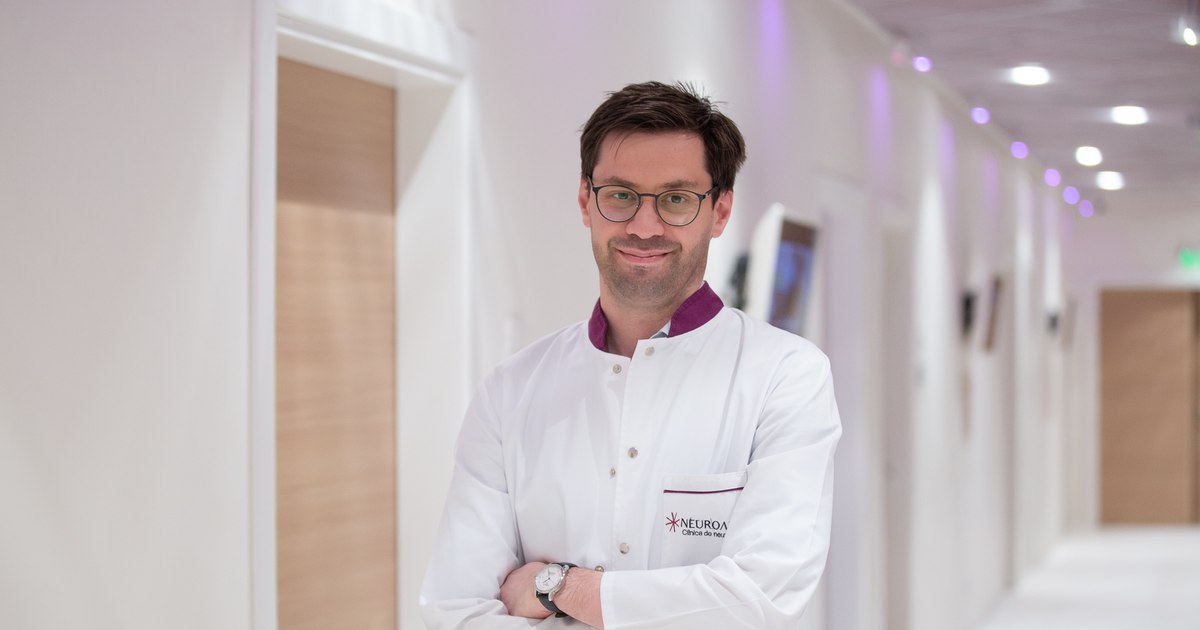
“Headaches can be primary, caused by the hypersensitivity of certain structures in the head and triggered by lifestyle and environmental factors, or secondary, when they are caused by certain diseases. Primary headaches are usually less severe and can be prevented by avoiding triggers. The secondary ones have a constant character and are all the more dangerous the more serious the underlying condition”, explains Dr. Dan Mitrea, neurologist at the Neuroaxis Clinic, the first integrated neurology and neuroimaging clinic in Romania.
About 65% of the world’s population between the ages of 18 and 65 experience at least one type of headache during a year, according to a meta-analysis published in The Journal of Headache and Pain. Among the factors that frequently trigger headaches are stress and chronic fatigue, alcohol consumption, processed foods, dehydration, sleep disorders or an incorrect posture in front of the computer. Prolonged sitting in the chair, at the computer, in an incorrect posture, with the back bent, the head bent and the shoulders brought forward, leads to the tension of the muscles of the back, shoulders and neck and, as a consequence, to the triggering of headaches.
What conditions can a headache hide?
When a headache has no obvious lifestyle-related cause or does not respond to common pain relievers, it may be a sign of a neurological disease.
Potentially serious conditions that can present with headache include: encephalitis, a severe inflammation of the brain, most commonly caused by viral or bacterial infections, which may be accompanied by fever, seizures, sensitivity to light, stiff neck or loss of consciousness, and meningitis, an infection of the meninges that manifests as pressure-like pain in the head, fever and photophobia, which can lead to permanent brain damage or even septicemia. Also, blood clots formed in the cerebral venous system, cerebral venous thrombosis, are manifested by a very strong headache accompanied by vomiting, visual disturbances, muscle weakness, seizures and loss of consciousness. Brain tumors, ruptured aneurysms, and stroke are other serious conditions that can start or accompany severe headaches.
The signals that show that it is an emergency
Not every headache requires an emergency hospital visit. But there are a number of clear signs that indicate the need for immediate medical consultation. Urgent presentation to the doctor is very important when the following are present: nausea, jet vomiting; paresthesias (tingling), numbness in the limbs; facial paresis or hemiparesis, weakness or paralysis on one side of the body; balance and coordination problems; cognitive, speech or vision disorders; personality changes; fever; neck stiffness; drowsiness; convulsions; loss of consciousness.
“A specific signal is the so-called “thunder pain”, a headache that reaches maximum intensity in a few seconds and is completely different from any previous headache. This may indicate rupture of a cerebral aneurysm and requires emergency presentation to 112”states Dr. Dan Mitrea, neurologist.
When to go to the neurologist, even if it’s not an emergency
Beyond emergency situations, there are also scenarios in which an appointment with a neurologist is required without delay: when the headache appears suddenly and is intense or associated with a neurological deficit; when the pain is atypical and is accompanied by other sensations, such as drowsiness, and occurs in the first part of the day; or when the pain does not go away, regardless of the remedy tried.
Likewise, if the headache becomes more and more frequent, if you need painkillers almost daily or if an old pain has suddenly changed its character, these are reasons enough for a specialist consultation.
