
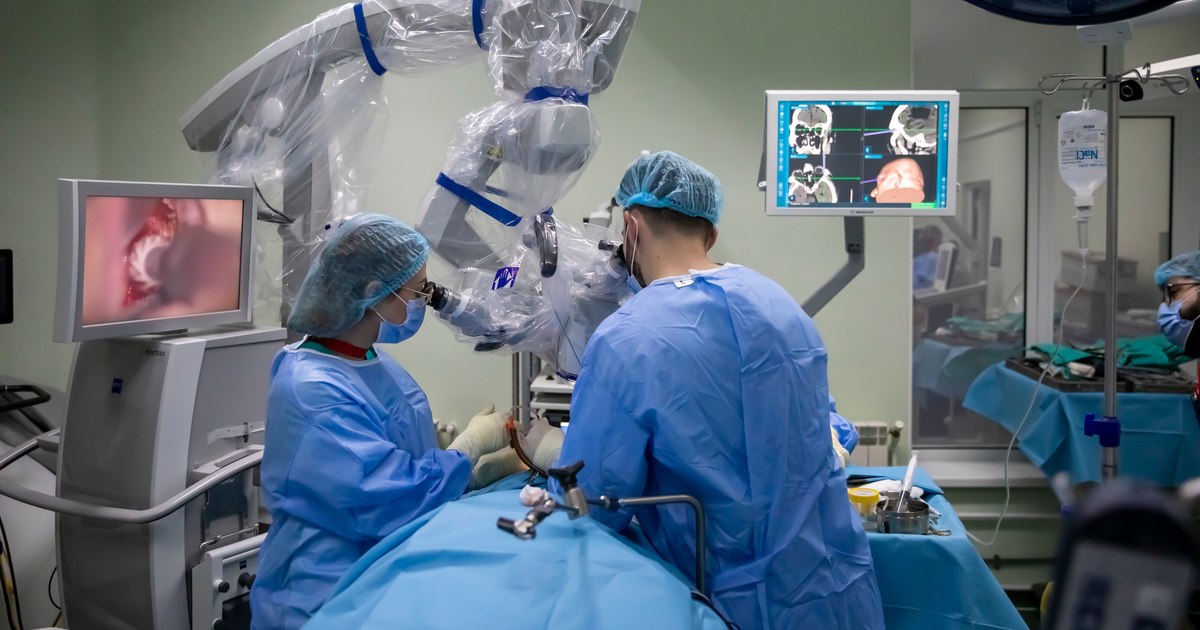
The “space hair dryer” is a device that has demonstrated the ability to regenerate heart tissue. This pioneering technology could revolutionize the treatment of heart disease, offering new hope for millions of patients.
The device has the ability to regenerate heart tissue PHOTO: ARCHIVE
“Space Hair Dryer” it is formally known as the Directed Energy Tissue Regenerator (DETR). According to theauditor, this innovative device uses precisely controlled beams of energy to stimulate the growth and repair of damaged heart tissue.
Gentle shock waves could regenerate heart tissue in patients after bypass surgery (used to improve blood flow to the heart in patients with conditions), according to a study published by the BBC.
The procedure takes about 10 minutes and is designed to stimulate the growth of new vessels around the damaged or scarred area after a heart attack.
A study of 63 people in Austria showed that those given the new treatment could walk further and their hearts could pump more blood.
“For the first time, we are seeing how heart muscle regenerates in a clinical setting, which could help millions of people,”
said Professor Johannes Holfeld, from the Medical University of Innsbruck.
Larger tests of the device, which the researchers call “space hair dryer”, to try to replicate the results on a larger group of patients.
Blocked artery
Every year, 18 million people worldwide die from heart disease or other cardiovascular complications, according to the World Health Organization.
Risk factors include high blood pressure and an unhealthy diet, as well as tobacco and alcohol use. There is no cure for what is the world’s leading cause of death.
Medicines and other treatments can help manage the disease and reduce the chances of a heart attack if the blood supply to the organ is suddenly blocked.
In severe cases, surgeons take a healthy blood vessel from the chest, leg or arm and attach it to the area of the heart above and below the blocked artery – a procedure known as cardiac bypass.
Shock waves for the heart
Austrian researchers tried to regenerate the damaged tissue itself by applying light sound waves shortly after bypass surgery.
A similar technique of “shock waves” it is already used to treat other conditions such as damaged tendons and ligaments and erectile dysfunction.
Higher intensity waves or pulses are also used in lithotripsy, a common medical procedure to break up kidney stones.
Half of the bypass patients in the study, published in the European Heart Journal, were treated with sound waves under general anaesthetic, while the others underwent a sham – or sham – procedure.
One year after the operation, the amount of oxygenated blood pumped by the heart had increased: 11.3% in the shock wave group, 6.3% in the control group. Patients with “shock waves” they could also walk longer without resting and reported a better quality of life.
“It means they are able to walk their dog or go to the supermarket again in their everyday life”said Professor Holfeld.
Dr Sonya Babu-Narayan, associate medical director of the British Heart Foundation and consultant cardiologist, said the current treatment of heart disease leaves “much room for improvement”.
“What’s interesting about this study is that one year later, people who received shockwave therapy to the heart during surgery had better heart function and fewer symptoms than those who didn’t. she”she said.
The researchers expect European regulators to approve the device later this year, and the first use on patients outside of clinical trials is planned for 2025.
The study was funded by Austrian government departments, the US National Heart, Lung and Blood Institute and a company spun off from Innsbruck Medical University and partly owned by the researchers.
