
The weather is getting hotter due to climate change, recently a day in July was designated as the hottest day on record. Heat can also have a significant impact on medications and how they work on the body.
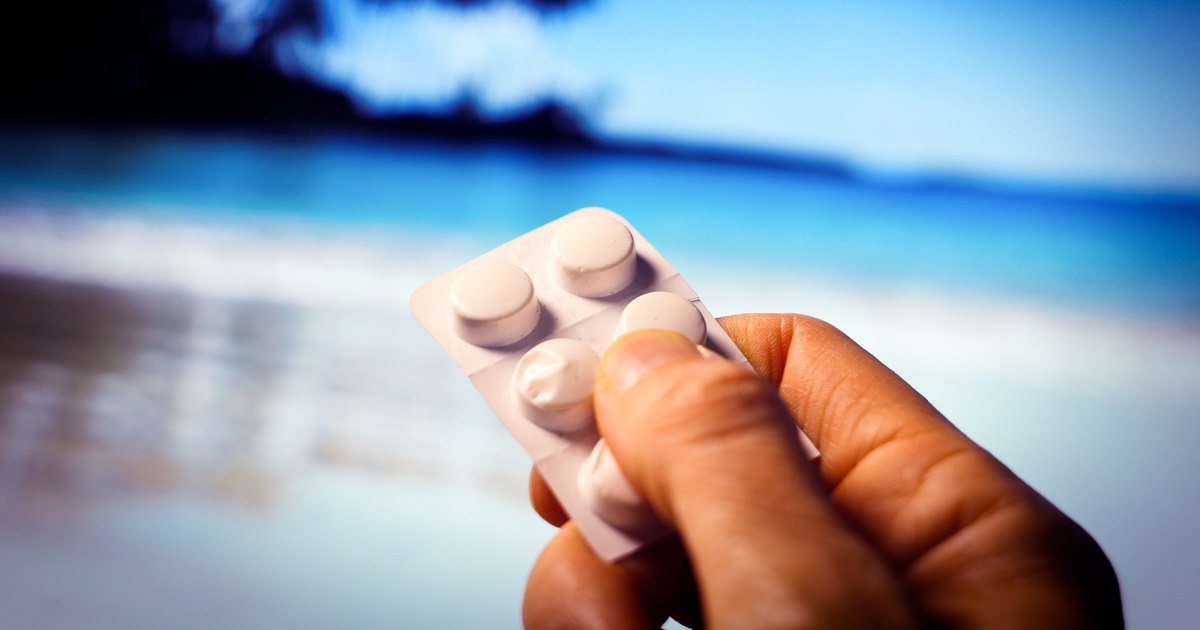
How to properly store medicines during the summer – Photo Archive
High temperatures can affect the effectiveness and safety of medicines. In particular, drugs intended to treat some common conditions can increase patients’ sensitivity to heat, affecting the body’s ability to sweat and the rate of blood flow. Heat waves also increase the risk of spoilage for almost all types of medicine, whether they are capsules, sprays, tablets, syrups or other forms, if they are not kept in an appropriate temperature range, according to Reuters.
Medicines that increase sensitivity to heat
1. Medicines for blood pressure and heart failure:
– Angiotensin-converting enzyme (ACE) inhibitors can suppress thirst, increasing the risk of dehydration.
– Calcium channel blockers can cause mineral imbalances, affecting body temperature regulation.
– Beta-blockers can reduce the ability to sweat, and make it harder for the body to cool down
– Diuretics can cause dehydration and mineral imbalances.
2. Antiallergic drugs:
– Some over-the-counter antihistamines reduce sweating, affecting body temperature regulation.
3. Psychiatric drugs:
– Certain antipsychotics limit the ability to sweat.
– Some antidepressants increase sweating and suppress thirst.
– Stimulants such as amphetamines can increase body temperature by interacting with the central nervous system.
4. Thyroid drugs:
– Thyroid hormone pills can increase body temperature, affecting its regulation and causing excessive sweating.
How to properly store medicines
Extreme heat and cold can significantly affect the effectiveness of prescription and over-the-counter medications. Although some medicines can tolerate temperatures up to 30 degrees Celsius, in general they should be stored at temperatures between 15-25 degrees Celsius in a cool, dry place away from direct sunlight. Each manufacturer will include in the leaflet a guide with the optimal storage temperatures for medicines.
It’s difficult to predict exactly how much a drug will degrade at extreme temperatures because each drug has unique properties, says Amy Bachyrycz, a member of the pharmacy faculty at the University of New Mexico in Albuquerque.
Experts recommend avoiding leaving medications in hot cars or hot mailboxes for long periods of time.
Recommendations for patients
To ensure medicines remain effective and safe during periods of extreme heat:
– Consult your doctor to adjust doses and administration schedules during heatwave.
– Maintain adequate hydration.
– Use fans and air conditioning to cool off.
– Store medicines according to the manufacturer’s instructions and avoid exposure to extreme temperatures.
