
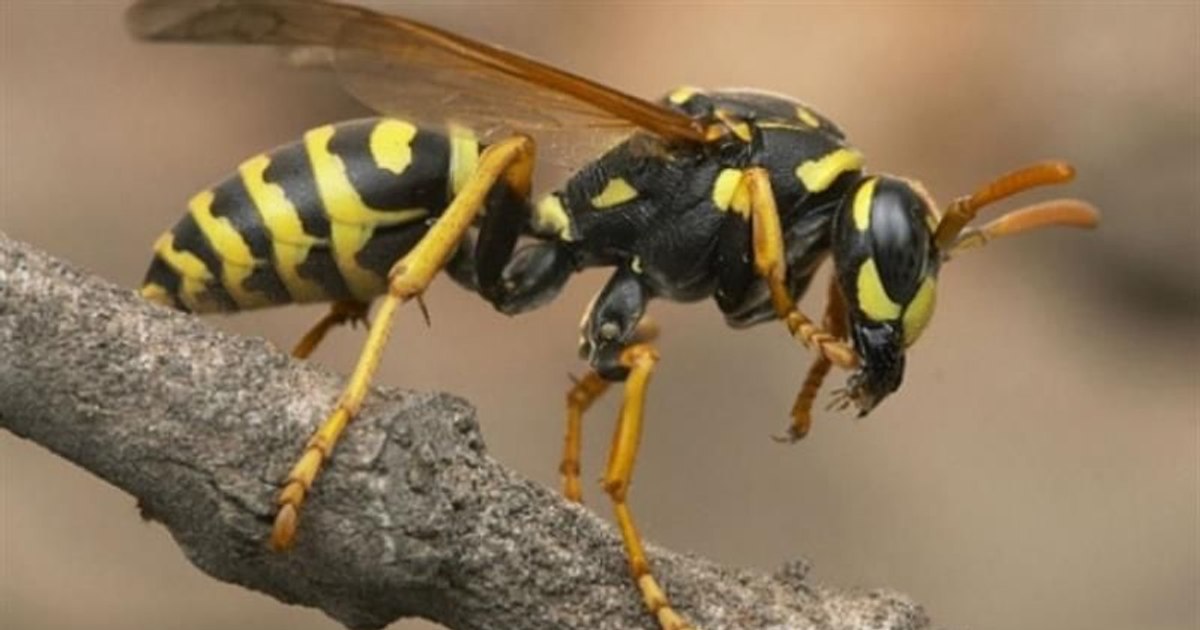
Wasps are often thought of as nuisance pests, but they are actually a diverse and important species. This year, experts have noticed a decline in wasp populations.
Wasp populations, decreasing PHOTO: Archive
According to incredibilia.ro, unlike butterflies and bees, there is no official record of the number of wasps, although there are over 100,000 species worldwide.
Most wasps do not sting, and most stingers are solitary wasps that hunt specific prey.
Only a small number of wasp species are known to sting humans. Professor Seirian Sumner, an entomologist at University College London, has dedicated his career to studying wasps and is glad that people are concerned about their declining numbers.
The specialist says this year’s low number is “attributed to cold, wet springs affecting the ability of queen wasps to successfully establish nests and hunt prey.”
They also have a negative factor “pesticides and other human activities contribute to the long-term decline of wasp populations.”
Professor Sumner also showed the important roles that wasps play in the environment, such as: fighting pests, pollinating plants and breaking down organic matter.
“The decline in wasp numbers is worrying because it has ecosystem implications and highlights the need for conservation efforts to protect these valuable insects”claims the specialist for the cited publication.
