
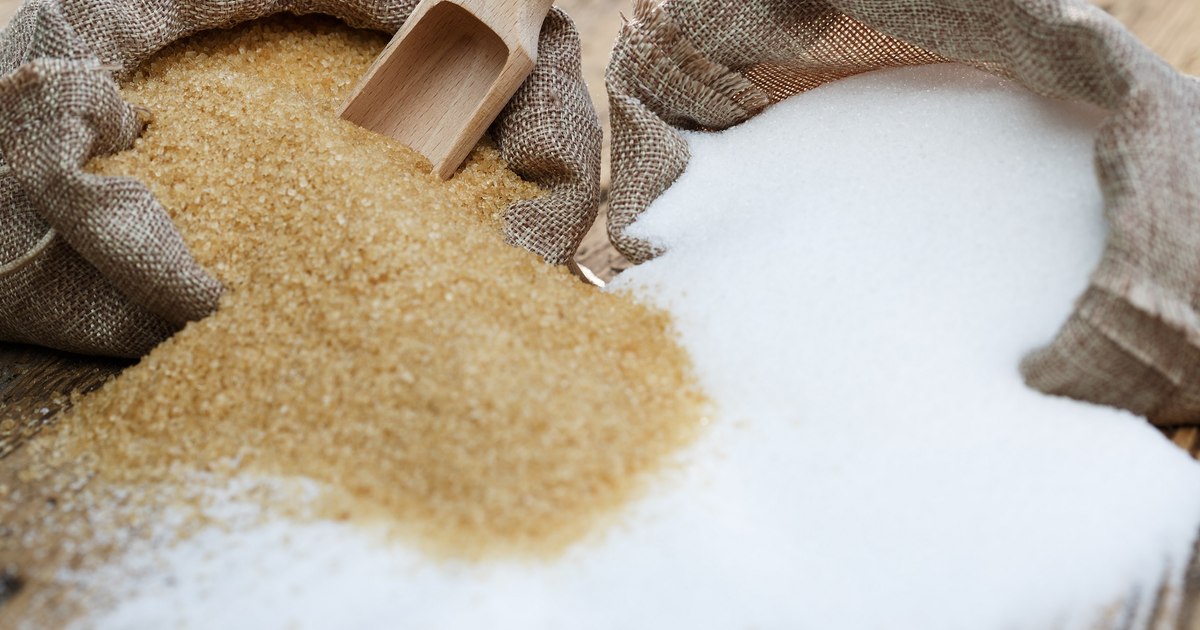
Sugar is extremely dangerous to your health and doctors recommend that it should not make up more than 5% of the energy (calories) you get from food and drink each day.
Sugar, dangerous for health PHOTO: Archive
According to doctor Bogdan Pascu, specialist in pediatric endocrinology, at the moment it is recommended that free sugars (sugars added to food or drinks) and sugars found naturally in honey, fruit and vegetable syrups and juices, smoothies and purees unsweetened – make up no more than 5% of the energy (calories) you get from food and drink each day.
“Translated, this means according to the NHS (National Health Service): adults should have no more than 30g of free sugars per day (roughly the equivalent of seven sugar cubes). Children aged 7 to 10 should have no more than 24 grams (six cubes); children aged 4 to 6 should have no more than 19g of free sugars per day (five sugar cubes). There is no limit for children under four, but they are advised to avoid sugar-sweetened drinks and foods with added sugar,” wrote Dr. Bogdan Pascu, on Facebook.
How do we define sugars?
Added sugars are refined sugars, used in food preparation and as table sugar, explains the pediatric endocrinology specialist.
Free sugars include “added sugars” plus those naturally present in honey and syrups, as well as fruit and vegetable juices and juice concentrates.
Total sugars are all sugars present in the diet, including those naturally present in fruits, vegetables and milk.
“Free sugars are found in foods such as sweets, cakes, biscuits, chocolate and some fizzy drinks and juices. These are the sugary foods we should cut back on. A can of cola (I’ve noticed that many still don’t know this) can have up to seven sugar cubes, more than the recommended daily limit for adults”the doctor claims.
Dr. Bogdan Pascu is a Pediatric Endocrinology specialist, with competence in Endocrine Ultrasound. He has extensive experience in growth disorders, childhood obesity, pediatric pituitary, thyroid and adrenal pathologies, puberty disorders.
He is a member of the European Society of Pediatric Endocrinology and the American Endocrinology Association as well as the Romanian Society of Endocrinology.
