
After the magic of the holidays, many feel a wave of sadness and fatigue. The “post-holiday blues” are a reality for many, but there are effective ways to overcome them, experts say.
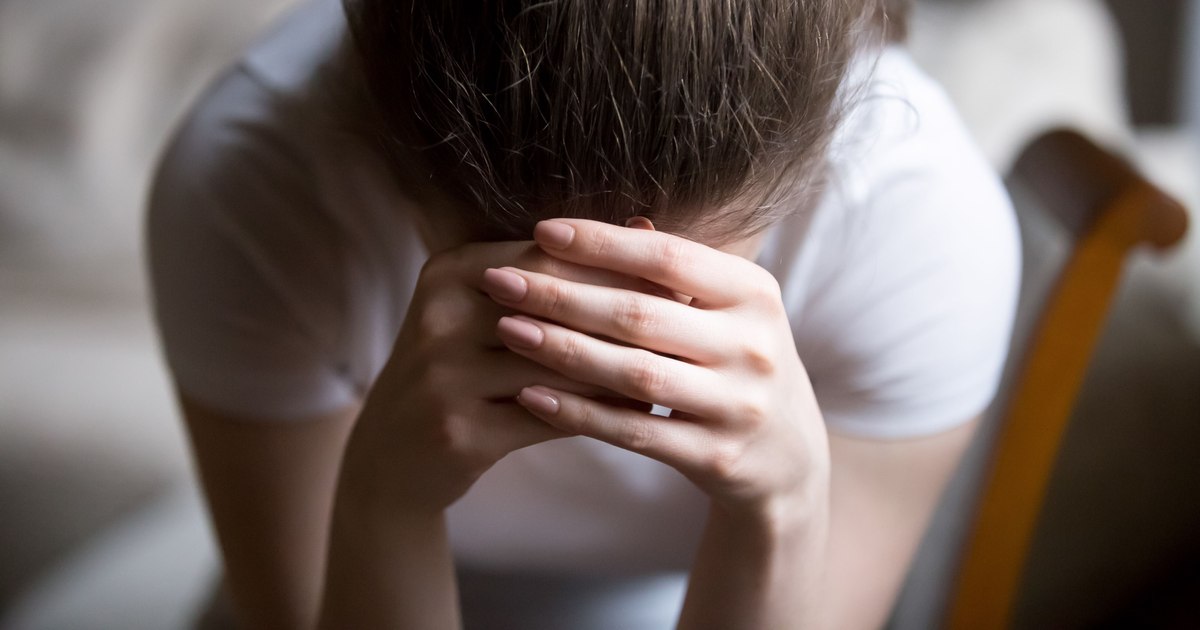
Post-holiday depression. Photo: Shutterstock
The winter holidays are, for many of us, a time of joy, family reunions and relaxation, according to infocons.ro data. But at the end of them, many people face an often neglected phenomenon: post-holiday depression. Also known as the “post-holiday blues,” this is a state of sadness, anxiety, and fatigue that occurs after the hustle and bustle and festivities are over. Although this phenomenon affects many of us, it is important to understand what causes it, how it manifests, and what we can do to manage it.
What is post-holiday depression?
Post-holiday depression is a negative emotional state that can appear immediately after the winter festivities are over. Many times, this type of depression is the result of a mixture of factors: the sudden change in daily rhythm, the pressure to live perfect moments during the holidays, but also exposure to a combination of emotional and physical factors. After the intensity of the festive events wears off, many feel overwhelmed by a sense of emptiness, loneliness and sometimes disappointment.
How does it manifest itself?
There are a variety of signs and symptoms that can indicate the onset of post-holiday depression. Although each person may experience these symptoms in a different way, there are some common traits:
- Sadness or melancholy: Many people quickly go from the excitement of the holidays to a state of sadness, experiencing a sudden change in mood.
- Loneliness: If the holidays were spent in an active social setting or with family, their absence after the festivities are over can accentuate feelings of isolation and loneliness.
- Fatigue: The physical and emotional strain of organizing the holidays or dealing with the hustle and bustle can take its toll, and general fatigue can contribute to depression.
- Financial stress: High holiday spending on gifts, festive meals or travel can add financial pressure and lead to anxiety, especially when bills need to be paid after the holiday.
- Lack of interest: After the festive season ends, activities that used to bring pleasure may seem less satisfying, contributing to apathy.
What are the causes?
Although there is no single cause, post-holiday depression can occur as a result of a mix of factors:
- Social pressure: In modern society, the holidays are often perceived as a time of happiness and perfection. This creates pressure to have “perfect” experiences during the festivities. When these expectations are not met, the feeling of failure can lead to depression.
- Change in routine: The holidays bring a big change in the daily schedule, and returning to regular activities (work or school) can seem overwhelming.
- Loneliness: Although the holidays are a time for family and friends to come together, for those who are lonely or have lost loved ones, the period can amplify feelings of isolation.
- Financial stress: Extra spending during the holidays, such as gifts or festive meals, can lead to financial strain, which can lead to feelings of stress and anxiety.
- Organizational stress: People who organize festive events can experience considerable stress. Preparing the meal, decorating the home or hosting visitors can create emotional tensions, which are felt more acutely after the holidays are over.
How to deal with post-holiday depression?
It is important to understand that post-holiday depression is not a permanent condition and there are ways to overcome it. Here are some suggestions to cope with this period:
- Allow yourself to feel: It is essential to accept the state of sadness and not criticize yourself for these emotions. These are temporary and part of the adjustment process after the holidays.
- Communication is key: Talk to trusted people about what you’re feeling. Open conversations can bring emotional support and reduce feelings of isolation.
- Set realistic expectations: Avoid comparing yourself to others and don’t put yourself under pressure to meet unrealistic expectations. Redefine your goals in a more realistic and accessible way.
- Stay Socially Connected: Engage in social activities that you enjoy. Even if there are no more festive events, you can organize meetings with friends or participate in group activities.
- Give yourself time: It is important to understand that returning to an emotionally balanced state can take several weeks. Be patient with yourself and take your time.
When to seek professional help?
If symptoms persist or become overwhelming, it is advisable to seek professional help. A mental health professional can help identify emotional causes and provide methods for managing depression. In some cases, therapy can be an effective tool in managing this type of depression.
