
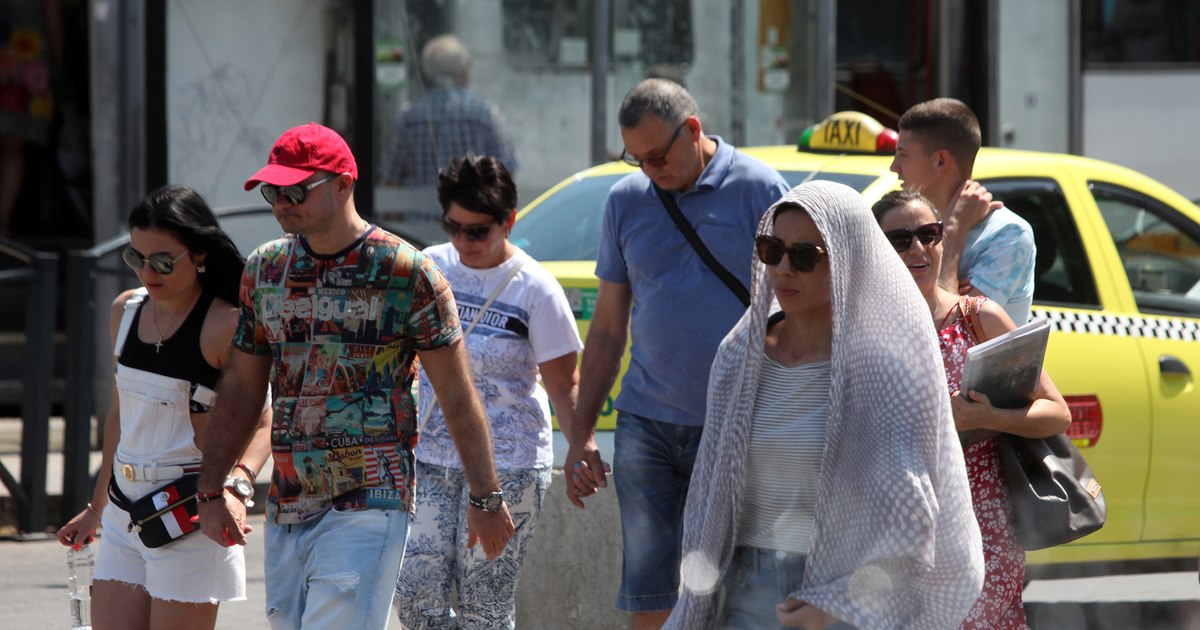
Bucharest is among the most exposed European capitals to the effects of climatic changes, and the hot days and tropical nights are becoming more frequent.
Researchers analyzed four climatic scenarios until 2100. Photo: Archive
A study published by Infoclima.ro and signed by two researchers of the National Meteorological Administration (ANM), Sorin Cheval and Vlăduț Fălcescu, shows that in the most pessimistic scenario, until the end of the century, summer could extend by about three months in which the temperatures would exceed 30 ° C.
According to a World Bank Group report (2023), the capital of Romania ranks third in Europe at the risk of mortality associated with extreme temperatures, after Istanbul and Athens.
The phenomenon of “urban heat island” aggravates the situation: large concrete, asphalt and bitumen surfaces raise the ambient temperature by up to 5-6 ° C compared to the surrounding areas. The differences are visible even between the weather stations in Bucharest – Filaret (Center) and Baneasa (northern periphery).
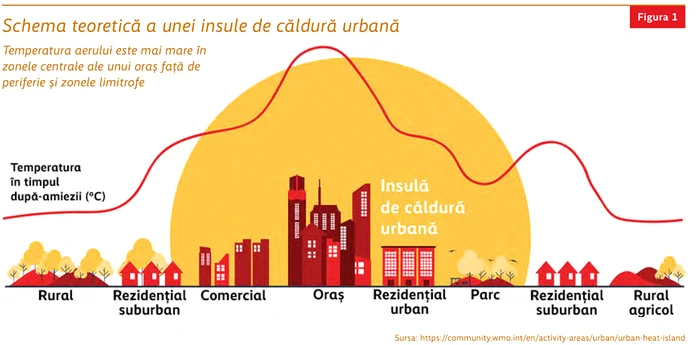
The phenomenon of “urban heat island” aggravates the situation. Photo: infoclima.ro
The researchers analyzed four climatic scenarios until 2100. In the most pessimistic scenario, the one with high emissions, the annual number of tropical days could exceed 100, and the nights with temperatures higher than 20 ° C would become much more frequent. In the moderate scenario, which involves firm emission reduction policies and expanding green surfaces, growth would be slower, but still significant.
Starting with 2050, the maximum average temperature of July could constantly exceed 32 ° C in the pessimistic scenario. The areas near the parks, lakes and low housing and gardens will be the least affected, while over 50% of the capital’s surface will be exposed to a high or very high thermal risk.
The research emphasizes that the mitigation measures – the growth of green surfaces, the use of less absorbent heat materials and the thermal rehabilitation of the buildings – can make the difference between an extreme summer and a more bearable one for the inhabitants of the capital.
