
An international team of researchers has discovered a previously unknown virus that lives inside gut bacteria and could be linked to the onset of colorectal cancer, one of the most common types of cancer in developed countries.
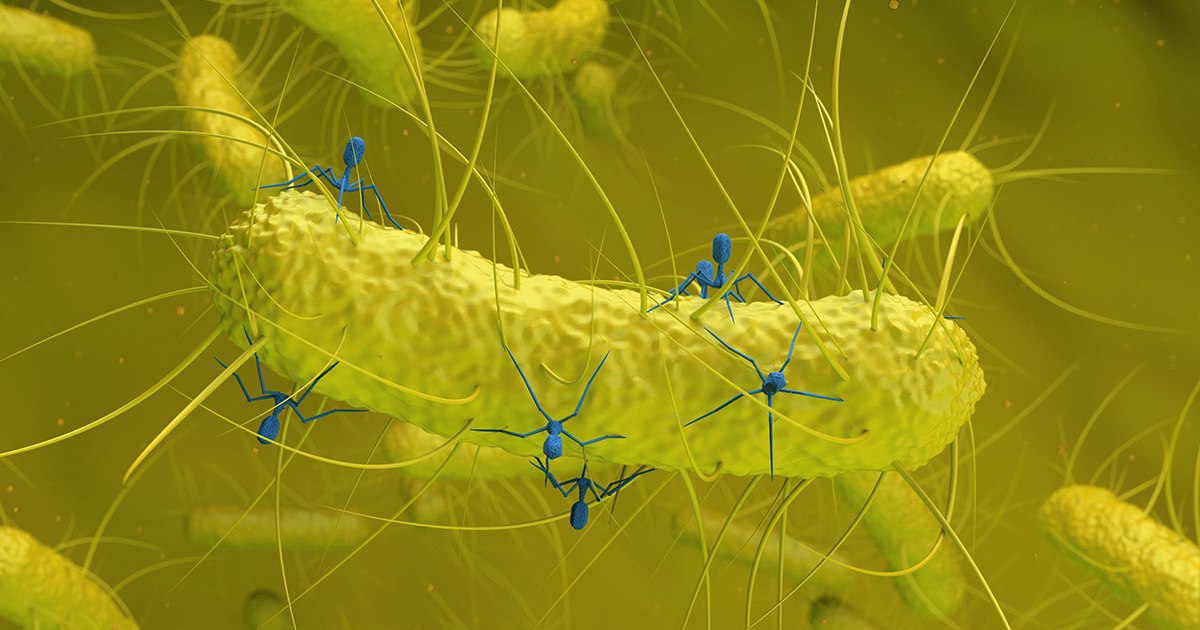
Specialists from Denmark and Australia analyzed the intestinal bacteria of patients with colorectal cancer and noticed that Bacteroides fragilis, a bacteria also present in healthy people, can carry a bacteriophage – a virus that infects the bacteria.
Studies show that people with colorectal cancer are twice as likely to have this virus in their intestines, according to Science Alert.
“It’s an important discovery because it’s not just the bacterium itself that matters, but its interaction with the virus it carries,” explains microbiologist Flemming Damgaard, from the Odense University Hospital.
The researchers stress that they cannot yet prove a direct cause-and-effect relationship between the virus and cancer, but the discovery could help develop screening tests or targeted treatments.
About 80% of colorectal cancer risk is attributable to environmental factors, including the composition of gut bacteria.
In the future, scanning stool samples for the presence of this virus could help identify people at increased risk of colorectal cancer.
“Previously, studying gut bacteria was like looking for a needle in a haystack. Now we’re investigating the viruses inside the bacteria, which could explain the differences between patients.”adds Damgaard.
