
In recent months, the vagus nerve has become a hot topic on social media. Influencers around the world claim that various simple tricks – from humming or massage to diving in cold water – could “stimulate” this nerve and bring incredible health benefits. But what really is the vagus nerve and how real are these claims?
What is the vagus nerve?
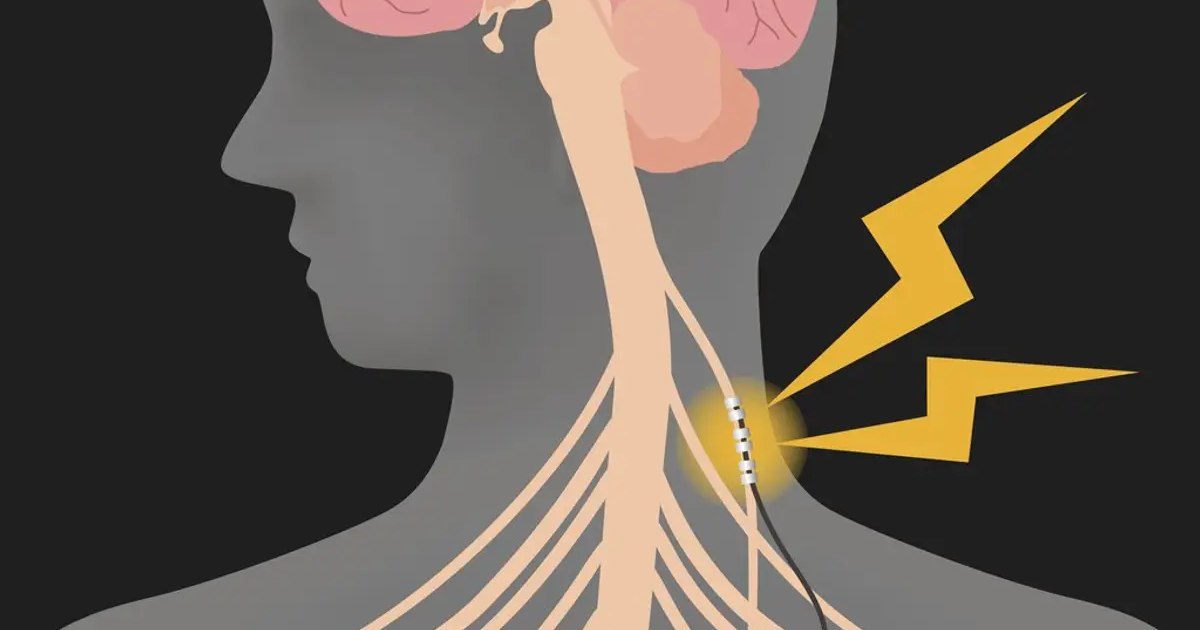
The vagus nerve is one of the most important nerves in the human body because it connects the brain to most vital organs, including the heart, lungs, stomach and intestines. It transmits signals between the brain and body to regulate functions such as heartbeat, breathing, digestion and immune response.
Linked to the immune system, these signals control the “inflammatory reflex,” essential for regulating inflammation in the body. Inflammation is involved in many conditions, from Crohn’s disease and rheumatoid arthritis to heart disease, diabetes, cancer or Alzheimer’s
Through the signals transmitted between the brain and the gut, the vagus nerve also has an impact on mood or mental health.
Basically, the vagus nerve is like a “super cable” that keeps the body balanced and healthy, influencing almost everything related to vital functions and the body’s response to stress and inflammation.
Social media versus scientific reality
Today, influencers recommend various “simple” methods for stimulating the vagus nerve: massaging the neck, moving the eyes, singing, humming or diving in cold water. On TikTok, the hashtag #vagusnerve has garnered over 100 million views.
But Dr. Kevin J. Tracey, head of the Department of Medical Research at the Feinstein Institutes, points out that there is a huge difference between these practices and the Food and Drug Administration-approved vagus nerve stimulation devices used to treat strokes, depression, opioid withdrawal or epilepsy. Regulated devices can selectively activate specific fibers, thereby controlling inflammation. The methods do it yourself from social media are not selective and activate many fibers as well as other nerves that trigger the fight-or-flight response, the doctor points out.
What can we really do?
Researchers around the world continue to study the functions of the vagus nerve and test new therapies based on its stimulation. For now, the recommendation is to be cautious with popular online methods and not confuse them with proven medical treatments.
Meanwhile, small gestures such as humming a song or taking a cold shower may be pleasant and relaxing, but they do not provide precise control over the inflammatory reflex.
“Despite the fascination and huge interest on social media, we still have a lot to learn. Those who try quick methods must understand that science cannot be replaced by viral tricks,” says Dr. Tracey.
