
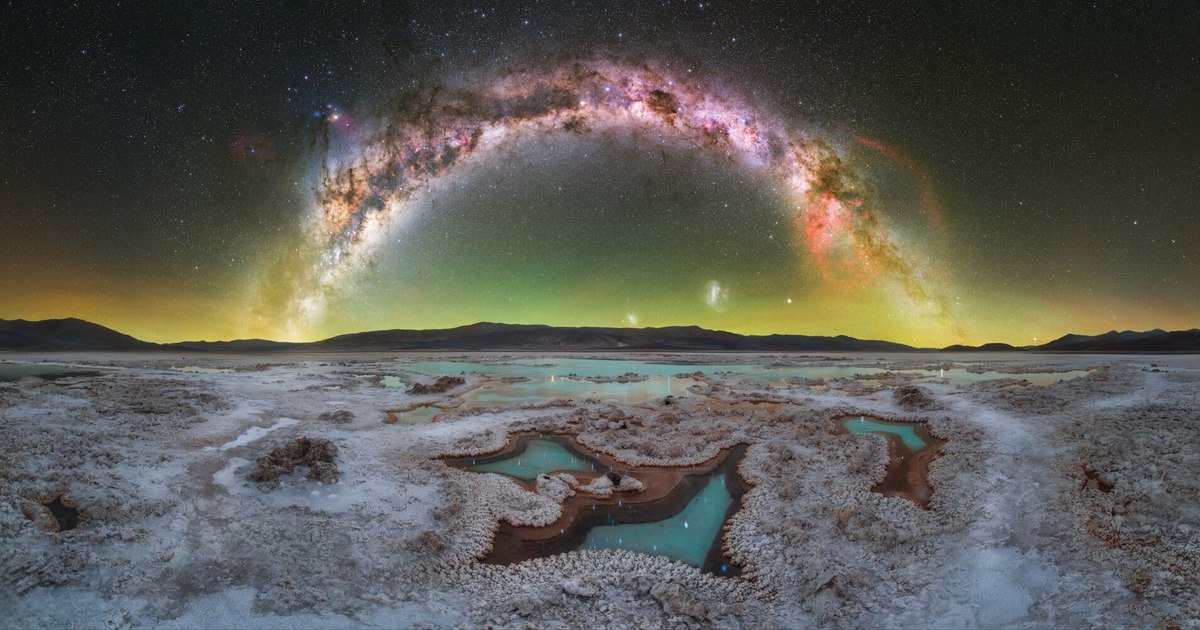
The most impressive photos of the Milky Way taken in 2026 have been published in the international “Milky Way Photographer of the Year” competition organized by Capture the Atlas, a photography and travel blog.
Now in its 9th edition, the contest annually brings together some of the most spectacular astrophotography images in the world, made in extreme conditions, in places where light pollution is almost non-existent.
This year’s edition saw a record number of entries, with over 6,500 images submitted by professional and amateur photographers from around the world. After the selection process, only 25 photos were included in the final list, representing 12 distinct geographical regions, from the deserts of South America to the mountains of New Zealand, the coasts of Europe and the remote areas of Australia or the Canary Islands, according to capturetheatlas.
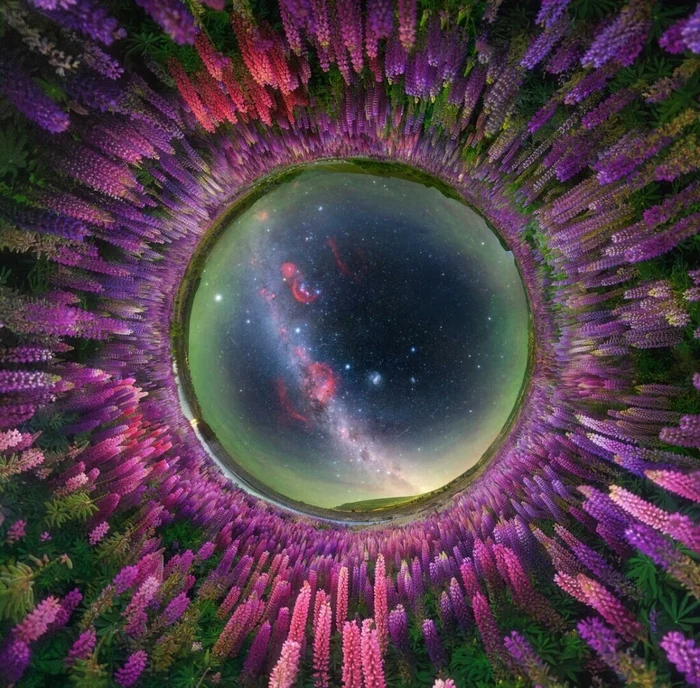
Images captured in some of the darkest places on Earth
The selected photos capture the Milky Way in spectacular and very varied images: above snow-covered mountain ranges, in arid deserts, on isolated coastlines, but also in volcanic or geothermal areas.
Many of the frames were taken in hard-to-reach places, where the photographer had to travel hours or even days on rough terrain, far from any source of artificial light.
In some cases, the shooting conditions were difficult: extreme temperatures, altitudes above 3,000–4,000 meters or unpredictable weather phenomena. However, the final result illustrates exceptional clarity of the night sky, with the Milky Way visible in spectacular detail.
SPECTACULAR IMAGES The Milky Way seen from Pico del Teide Peak, one of the best natural observatories
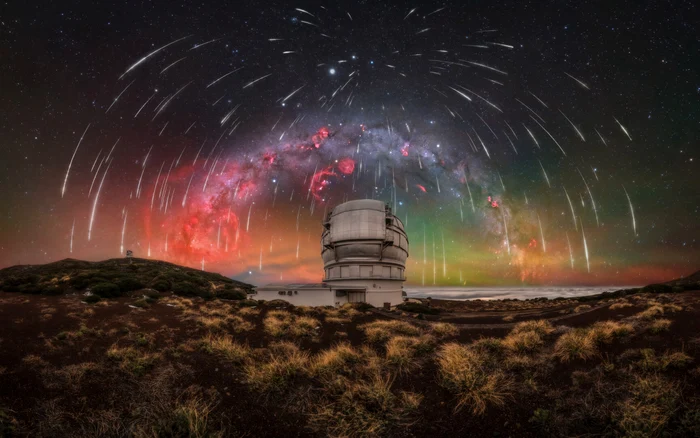
To make these images, astrophotographers used long exposures, high-performance equipment and advanced post-processing techniques. Each photo is the result of hours of waiting for optimal clear sky conditions, but also of precise planning, depending on the position of the galaxy and the movement of the Earth.
The organizers point out that modern astrophotography has become a complex field, in which science, technology and art intertwine to capture celestial phenomena that are difficult to observe with the naked eye in the urban environment.
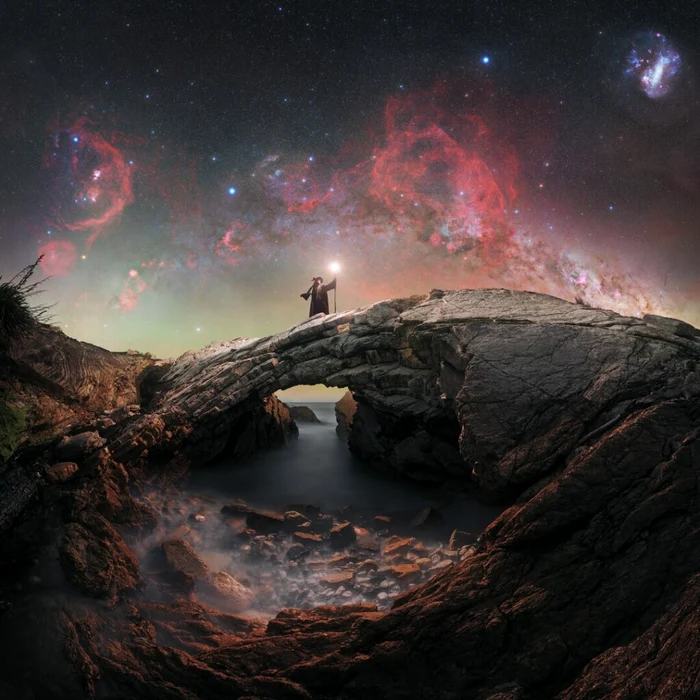
Dark skies, an increasingly scarce resource
Beyond the artistic value, this year’s edition also conveys an important message regarding the degradation of the night sky. Light pollution continues to expand globally, reducing star visibility in many populated regions and affecting nocturnal ecosystems.
“Each year, this collection reminds us that photographing the Milky Way is not only about technique or planning, but also about curiosity, patience and the desire to experience the night sky in places where it still retains a wild character”said Dan Zafra, Capture the Atlas editor and competition curator.
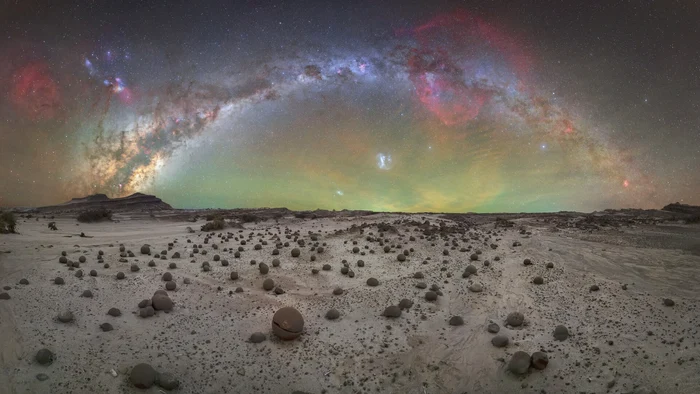
It warns that many of the skies captured in these images could become increasingly difficult to see in the future if the trend of increasing light pollution continues.
The “Milky Way Photographer of the Year 2026” selection is presented not only as a photographic competition, but also as a visual archive of rare nightscapes.
Organizers hope the images will inspire the public to appreciate the night sky more and help protect natural environments where it can still be seen in its authentic form.
