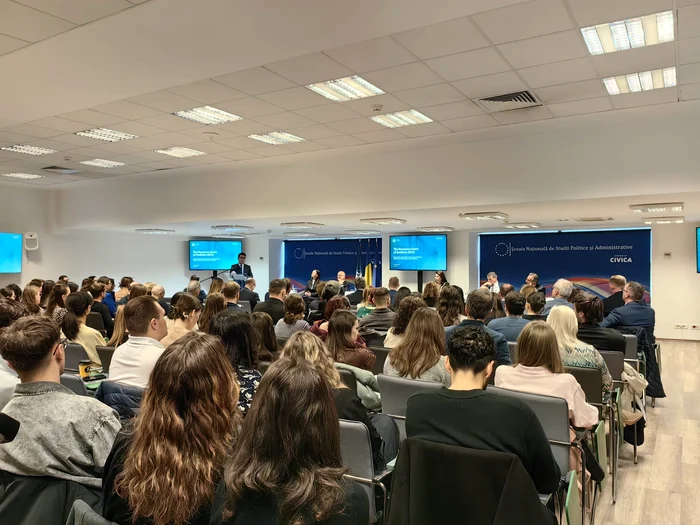
Present at a debate organized by SNSPA, former European Commissioner Pierre Moscovici spoke about the need for the accession of the Republic of Moldova and Ukraine to the European Union. “We need an accelerated transition (…) It’s a new role for the EU: to provide protection”he said for the Truth.
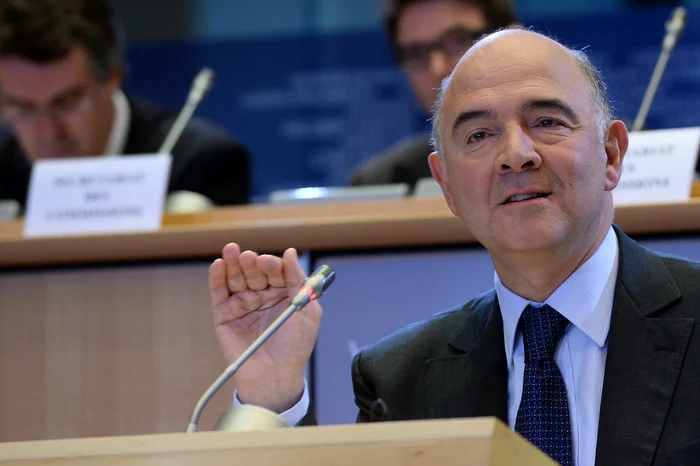
“It is clear that Donald Trump and his administration do not love Europe. (…) We must learn the language of power to protect ourselves”
Pierre Moscovici detailed the reasons why he believes that both the Republic of Moldova and Ukraine should join the European Union as soon as possible. And he brought up the unprecedented international climate:
,, We live in a dangerous world! China is fighting to become the supreme leader. The US still remains an ally, but not always a friend. It is clear that Mr Trump and his administration do not love the EU, they do not love Europe. And this is something really new. They even thought of invading a part of Europe: Greenland. And for that we must learn the language of power so that we can protect ourselves.
Moscovici also spoke about a new role that the European Union must learn to assume, in the current context:
“Ukraine is now suffering a war because of Russian aggression. Moldova is partially occupied in Transnistria by Russian troops… And we must have them by our side. They cannot join NATO because of their geostrategic position. It must join the EU as quickly as possible. And this is a new role for the EU, to provide protection. And for that we need an accelerated transition for Ukraine and Moldova”.
Moscovici also emphasized the importance of a united Europe.
Who is Pierre Moscovici?
Pierre Moscovici is one of the most famous names in French politics. Between 1997 and 2002 he led the Ministry of European Affairs, between 2012 and 2014 he was Minister of Economy and Finance, and between 2014 and 2019 European Commissioner for Economic Affairs. He is now a member of the European Court of Auditors from France. In this capacity, he was present in Romania at the debate “Supreme audit institutions and the next generation of leaders in European governance” organized by the National School of Political and Administrative Studies (SNSPA).