
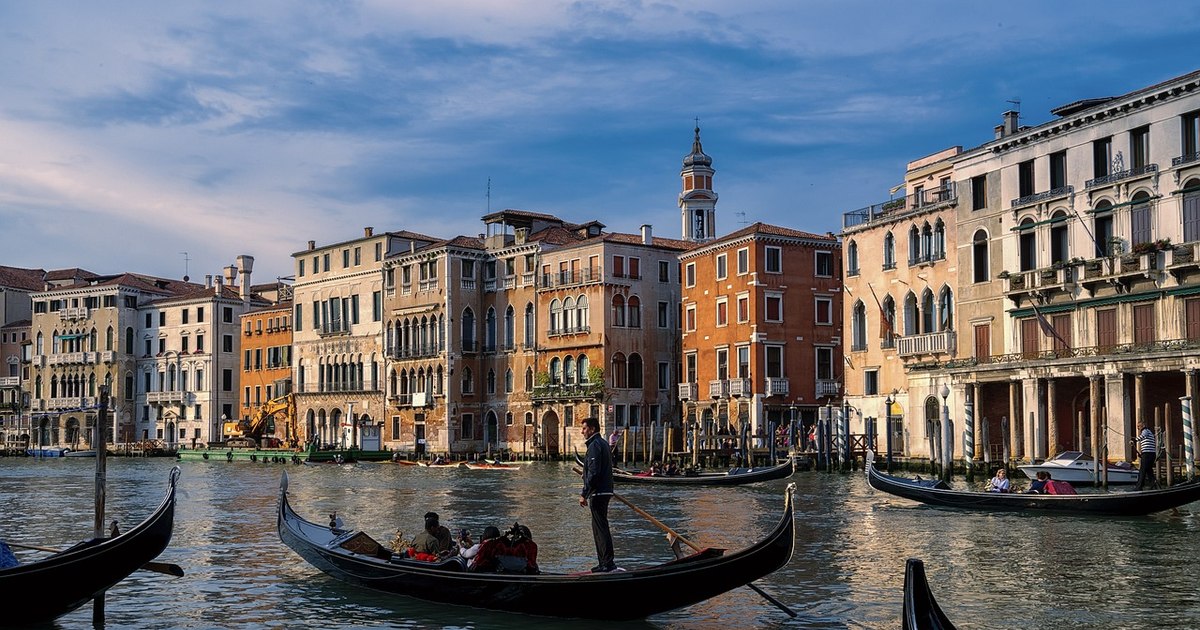
The entrance fee for day visitors returns to Venice in 2026, but last year’s data shows the measure only slightly reduced the number of tourists. During busy periods, the city attracted nearly 25,000 visitors a day, equivalent to half the local population.
This year, tourists who come only for one day will have to pay the tax on weekends (from Friday to Sunday) in the months of April, May, June and July, but also on certain additional days set by the authorities.
The fee is only valid between 08:30 and 16:00. Outside of this schedule, access to the city remains free, according to Euronews.
How the system works and who is exempt
Visitors must book their day of visit in advance on a dedicated online platform, where they receive a QR code. It is checked at checkpoints located in the main access areas to the city.
Residents, people born in Venice, students and employees, as well as tourists who have hotel reservations or other forms of accommodation, are exempt from payment. Even then, visitors have to register and get the QR code, but they don’t pay the fee because it is included in the cost of the accommodation.
The rate remains at 5 euros for those who make their reservation in time, but it reaches 10 euros for those who do not do it at least four days in advance.
Authorities will carry out checks at key points in the city, including near the Santa Lucia train station. Tourists who have not paid the tax or registered for exemption risk fines between 50 and 300 euros.
Why was the tax introduced?
The move comes amid huge tourism pressure on the city. Venice has been dealing with the phenomenon of overcrowding for many years, and last summer activists drew attention to the fact that the number of accommodation places for tourists officially exceeded the number of permanent residents, which fell below 50,000.
According to them, the situation leads to the depletion of resources, the congestion of the streets and public transport and forces the locals to leave the city.
But the authorities argue that the tax is necessary to control the flow of visitors. “It is a useful tool for managing tourist flows and ensuring a better balance between residents and visitors“, said councilor Michele Zuin.
