
Even if the COVID-19 pandemic seems forgotten, the virus continues to cause serious forms in Romania, draw the attention of doctors. At the same time, vulnerable groups do not benefit from the protection that vaccines and antivirals could offer. At the same time, paradoxically, we will pay hundreds of millions of euros in compensation for vaccines that we contracted, but were later refused. Elena Copaciu, Intensive Care doctor, appeals to the authorities to overcome the anti-vaccinist barrier and bring updated versions of the vaccine to the country, thus offering this possibility to those who wish to be immunized, but also to the categories vulnerable to the disease. ,,He who doesn’t want doesn’t want. It’s a choice. But when you see the complications that immunosuppressed patients do from various causes, complications that could be avoided… For some, they are the ultimate complications of life. If you can prevent it, and you have it handy, why not?”says the doctor.
Severe forms still occur in hospitals
Prof. Dr. Elena Copaciu, primary physician of Anesthesiology and Intensive Care, has given up reading the comments on social networks related to COVID. Instead, he knows the situation he faces at the hospital, in the intensive care unit where he works.
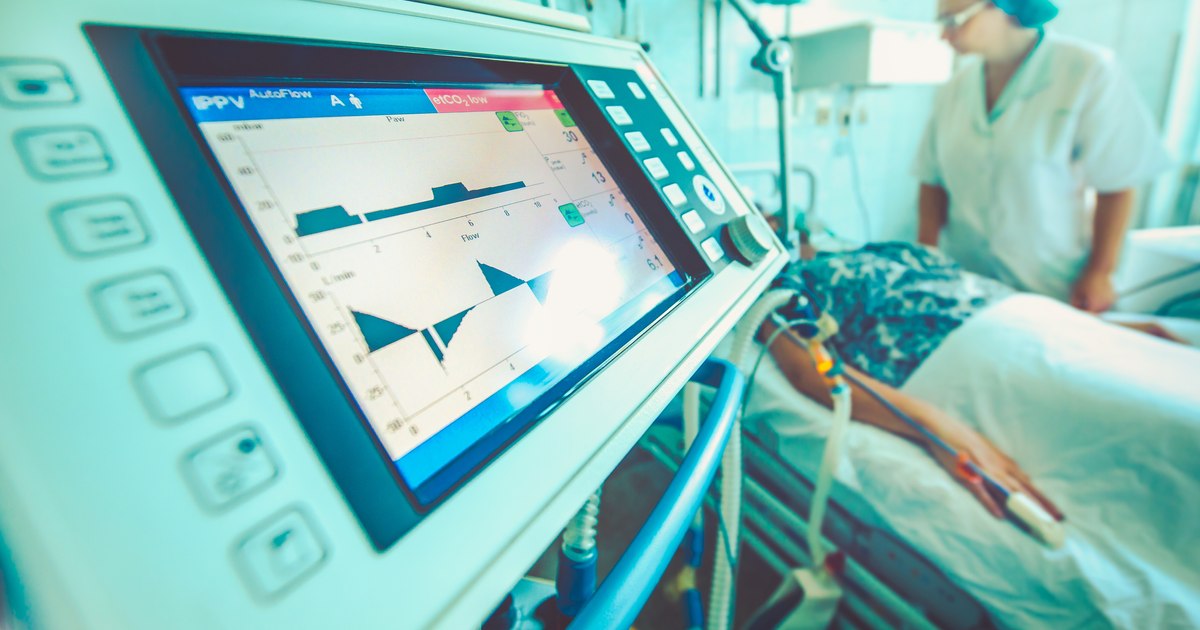
“Patients who are infected with the Sars-CoV-2 virus are still admitted. Some of them are critical and end up in Intensive Care. We still treat – fortunately not very often, but we still treat – patients with COVID. Those who end up in Intensive Care often have co-infections, i.e. combinations of viruses or virus and bacteria. They are forms of severe respiratory failure and require hospitalization in Intensive Care”draws Dr. Copaciu’s attention. It also explained which categories are most vulnerable to the virus:
First of all, there are patients undergoing oncological treatment who very easily become infected with Sars-CoV-2. Then there are patients over 65 and with comorbidities that reduce their immunity. (…) There are also younger patients, without comorbidities, who still have severe forms. Rarely, but I do.
The vaccine and treatment with antiviral drugs could reduce the severity of the disease, says the doctor. However, in Romania they no longer vaccinate and there were also problems with antivirals.
The earlier antiviral treatment is started, the better, because viral multiplication is reduced. This means that patients must also have access to treatment with pills, start them as soon as possible and, if they are more severe and they fall, come to the hospital and have treatment with Remdesivir. This is injectable. In recent years, in the absence of vaccines and antiviral tablets, these patients had no alternative but to be admitted to the hospital and receive injectable Remdesivir. And stocks are not very large and not in the whole country.
Calling the authorities
“It is difficult for me to estimate why there are no vaccines or why our country has this approach. This is a basic public health policy: protect your vulnerable groups first. Or, in our case, these groups are not protected,” says Dr. Copaciu.
Serious allegations in the case of Pfizer vaccines. Voiculescu claims that Rafila let Romania lose money: “It’s the prejudice of Cîțu”
She believes that the authorities should continue to make the vaccine available to vulnerable categories, but also to those who want to take it.
I tell you that in Paris, in September, they also vaccinated in pharmacies, at the patient’s request. They were simultaneously doing the anti-Covid and the anti-influenza vaccine, in different arms. Free for French citizens and 12 euros for those who did not have French citizenship. So it continues. Anyone who wants to is vaccinated, obviously. And the recommendation is that GPs consider vulnerable patients. I think we need to get into this normality. ,He who doesn’t want doesn’t want. It’s a choice. But when you see the complications that immunosuppressed patients do from various causes, complications that could be avoided… And for some they are the end complications of life. If you can prevent it and have it handy, why not?
Dr. Iuliu Torje, a Romanian doctor based in Germany, shares the same opinion. Like Dr. Copaciu, he works in Intensive Care.
The absence of predictable and continuous access to the vaccine in Romania in recent years represents a major public health dysfunction. This is not a medical problem, but a management one. The lack of a coherent strategy for procurement, distribution and prioritization of vaccination for at-risk groups indicates a systemic deficiency. In practical terms, this translates into the avoidable exposure of a vulnerable population to the risk of severe disease and death
the doctor wrote on Facebook.
In the same post, he also pointed out that: “In ATI we don’t discuss contracts, but certainly about the consequences. Each seasonal wave of respiratory infections repeats the same pattern: vulnerable patients insufficiently protected, who reach advanced stages of the disease”.
In Germany, as in France, updated or adapted COVID vaccines are still administered, especially for vulnerable people or as a seasonal booster. The same happens in Italy, Sweden or Spain.
The Minister of Health wants innovative drugs with the money he will give to Pfizer
Recently, Romania lost the case with Pfizer, after contracting 39 million doses of the vaccine in 2021, but later the authorities refused to accept the deliveries. Now, our country has to pay three billion lei (600 million euros) for the unclaimed doses.
The Minister of Health, Alexandru Rogobete, stated that Romania will pay the amount due, but refuses the vaccines, because we would have nowhere to store them.
“We would buy, with this money, vaccine for the next 10 years. It is not appropriate to do this, this is obvious”said the minister.
He stated that he will instead try to obtain innovative molecules for oncological diseases.
“In the amount of this amount of 3 billion lei, let’s introduce innovative molecules that the company produces and which do not exist in Romania or exist, but are not included in the list of compensated drugs. Oncology and the area of rare diseases are the two areas that I personally would focus on at the moment, because that is where there is the greatest need for innovation. Of course, there are others where we could discuss, but these are the two main directions. (…)
We will give him the money anyway. I’ve seen all kinds of speculation and discussion here too. Things are very simple. Whether we like it or not, today we have this bill (…). We have two options, we pay the money and bring a vaccine that we destroy or we try a team effort (…) so that with this money or at least a large percentage of this amount we can introduce some new medicines for people”, said Alexandru Rogobete.
