
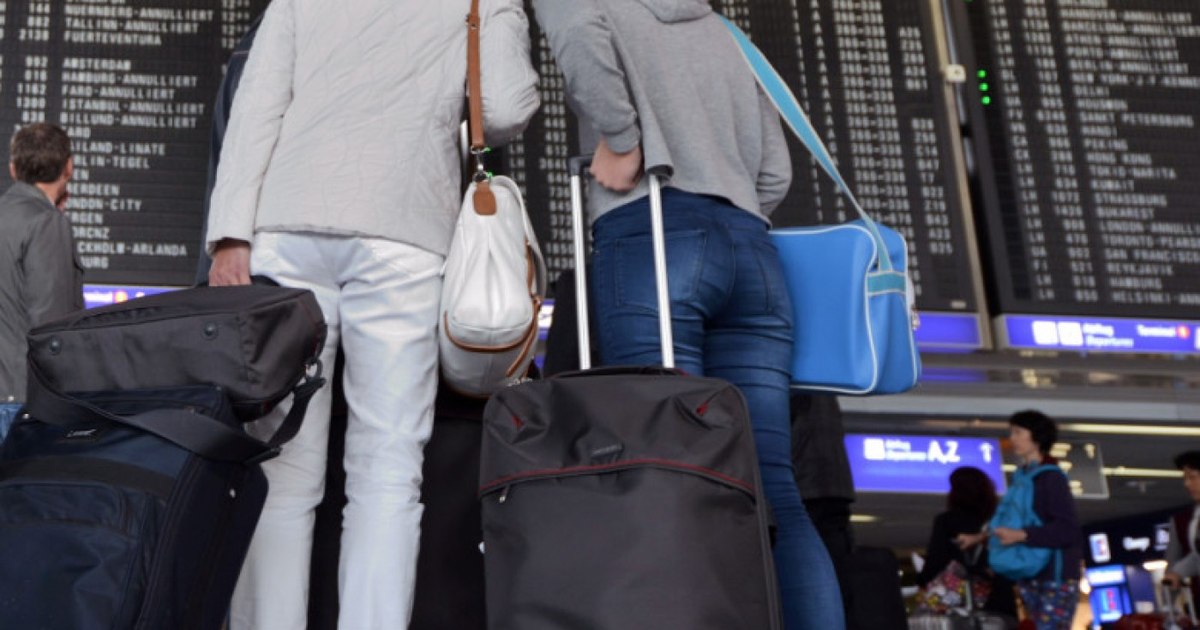
Baggage hikes have become a global strategy in 2026, and the list of companies that have adjusted fares upward is long and diverse, including both low-cost carriers and airline giants.
In the United States, the first significant increases came at the beginning of the year. United Airlines has increased fees for the first and second checked bags by about $10, and the third bag can now cost as much as $50 more. The official motivation of the company was the accelerated increase in the price of fuel and operational costs. At the same time, JetBlue applied a similar adjustment of $4-9 per bag, reflecting the same financial pressures. Other major US companies, such as American Airlines or Delta, have not made official growth announcements in April 2026, but experts predict they may follow suit given the global cost context.
In Europe, increases are not widespread, but low-cost carriers such as Ryanair and Wizz Air use dynamic pricing models, which can cause the price of a bag to rise quickly, especially on holiday routes. Traditional airlines such as Lufthansa, Air France-KLM and British Airways continue to practice the “Economy Light” ticket, where checked baggage is not included and may be charged extra. In Romania, TAROM and other European operators apply strict rules regarding the size and weight of cabin baggage, which may lead to additional costs.
In parallel, the discussion at European level between the airlines and the EU institutions remains tense. The European Parliament supports a reasonable-sized cabin bag being included free of charge in the ticket price, arguing that this separate charge can be confusing for consumers. The proposal provides for the standardization of a cabin baggage of up to 7 kg, which will be allowed free of charge, together with a personal item such as a backpack or handbag. On the other hand, the European Commission maintains a reserved position, underlining the importance of commercial freedom and warning that the imposition of free baggage could lead to an overall increase in the price of basic tickets and destabilize the market.
Indicative examples of baggage fees at airlines
According to public information, the airlines known in Europe have the following rates, which may vary depending on the route, season and time of purchase:
Wizz Air
– Large hand luggage (with WIZZ Priority): ~€6-€60 one way (online), more at the airport.
– Checked baggage (example):
• 10 kg: ~ €7-€14
• 20 kg: ~ €20-€45
• 32 kg: ~ €45-€70
• In busy season, the price can reach over €100/luggage.
In practice, checked bags can cost almost as much as the ticket if added separately.
Ryanair
– Free baggage included only a small backpack (~40×30×20 cm).
– With Priority & 2 Cabin Bags (including a troller): ~€9‑€45 (online); higher rate at the airport.
– Checked baggage:
• 10 kg: ~ €13-€30
• 20 kg: ~ €19-€60
• 23 kg: ~ €25-€75
Fees vary widely by route and season.
TAROM
– If you choose the Light/Economy Light ticket, checked baggage is not included — passengers can add additional checked baggage later, generally for around €40 per flight.
– Alternatively, fares that include checked baggage of 23 kg + hand baggage (8 kg) are available in Economy Saver or promo class.
Air France
– In the cheapest fares (Economy Light), checked baggage is not included.
– For a 23kg checked bag, additional fees typically range from ~€55 to €100 per bag and may increase at the airport.
– Overweight or additional baggage can cost from €55 to €285 depending on conditions.
British Airways
– For Economy class, one piece of checked baggage of ~23 kg can be included or at extra cost, and the fee for the second piece of baggage can be approx. £40 (or more depending on the route).
TAROM operates daily flights to the USA, with stopovers and in collaboration with other companies
– Fees for very heavy bags (over ~23kg) can be ~£30–£90 extra.
How you can avoid taxes
Although airlines have become extremely inventive in charging for every inch of luggage, there are still smart strategies for navigating these extra costs in 2026, some of which have been featured by the Washington Post.
Here are the most effective ways to avoid the new taxes:
1. The “Layering” technique and the travel vest
It may seem like an extreme solution, but it is the surest way to bypass the scale. Many travelers now use travel vests with multiple pockets (some have as many as 10-12 large pockets). You can put chargers, tablets, underwear or even rolled clothes in them, which would otherwise weigh 2-3 kg in the bag. Also, wear your heaviest clothes (winter jacket, boots) during boarding, even if it’s hot in the airport.
2. Maximized “Underseat” bag
Low-cost companies allow you one more personal item for free (purse/bag) which must fit under the seat in front. The secret is to invest in a backpack specially designed for the exact dimensions of the company you fly with (eg: 40x20x25 cm for Ryanair). These backpacks are square, without a rigid frame, and maximize every millimeter of space allowed, offering a surprisingly large volume without paying “Priority”.
3. Loyalty and co-branded cards
Many airlines (Lufthansa, Air France, KLM) offer baggage fee exemptions if you have a co-branded credit card or if you have a certain level of loyalty in their program (Frequent Flyer). Sometimes it’s worth paying a small annual fee for a partner bank card if it gives you a free checked bag on every flight.
Airlines Raise Baggage Fees to Maximize Profit: Here’s Why
4. The “Duty Free” method
This is a legal loophole that many companies still accept: products bought in Duty Free are allowed on board in addition to hand luggage. If you have some small items that no longer fit in your backpack, you can try to put them in a bag from the airport shops (though, beware, some low-cost companies have started to become strict here too if the bag is visibly oversized).
5. Booking “package” (Bundle vs. A la carte)
In 2026, it often became cheaper to buy the direct ticket to a higher class (ex: Wizz Smart or Priority) than to buy the cheapest ticket and add baggage afterwards. Algorithms severely penalize adding services after the ticket has been issued.
6. Send the luggage by courier
It sounds counter-intuitive, but for very heavy or bulky luggage (sports equipment, removals), international door-to-door courier services have started to be cheaper and much more convenient than the “excess baggage” fees of airlines, which can reach more than 15-20 euros per extra kilogram.
Golden tip: Don’t try to “cheat” the dimensions with rigid bags. If a fabric backpack is a bit larger, you can compress it to fit into the metal measuring frame at the gate. If a rigid troller is 2 cm longer due to wheels, you will be charged without right of appeal.
