
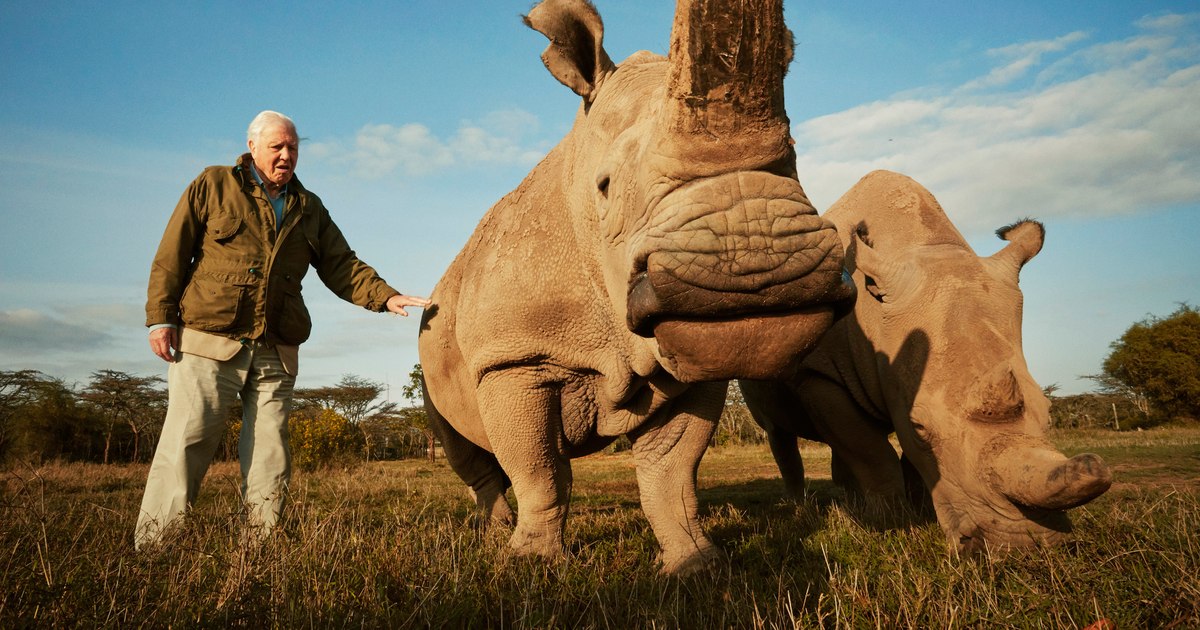
Throughout a career that has changed the way we look at the living world, Sir David Attenborough has not only touched the screens of millions of viewers, but also the desks of researchers. In gratitude, scientists have given his name to dozens of organisms – from carnivorous plants and fingernail-sized frogs to prehistoric reptiles.
Each name tells a story: a moment of discovery, a gesture of admiration, a promise to protect biodiversity. The grouping below collects some of the most expressive examples and the words of those who chose to honor him in this way.
With that unmistakable voice and familiar presence on television, Attenborough has become one of the major landmarks of modern documentary. Committed environmentalist and patient educator, he brought nature close to the public and oriented entire generations to the life sciences. The years gathered in front of the camera – more than seven decades of work – had a rare effect: today, more than 50 species bear his name. Below is a selection of remarkable organisms named in Attenborough’s honour, accompanied by touching dedications from researchers who found him a major source of inspiration.
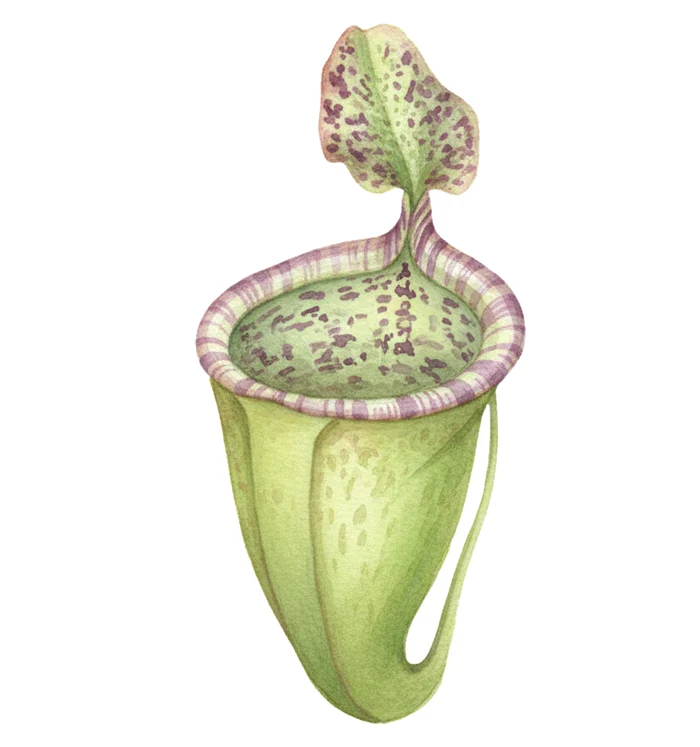
Nepenthes attenboroughii
• What it is: a large species of carnivorous plant in the genus Nepenthes. Its urns can reach 30 cm in diameter and are capable of capturing and digesting rodents or other small animals. The species is critically endangered.
• Where: Palawan, Philippines
• When: appointed in 2009
“We chose to name this species after filmmaker and naturalist Sir David Attenborough, whose exceptional documentaries made natural history accessible and understandable to millions. As a supporter of conservation efforts in the Philippines and a fan of the species, it is only fitting that this spectacular species be dedicated to him on his 80th birthday.” – Alastair S. Robinson et al., Botanical Journal of the Linnean Society, February 2009
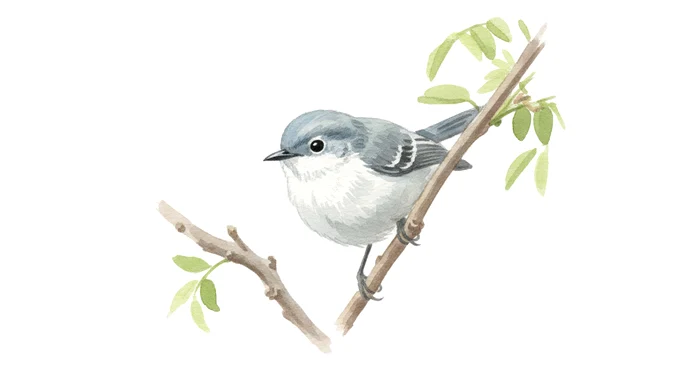
Polioptila attenboroughi
• What it is: a gray bird from the Polioptilidae group. The species is little known, but it is assumed that it feeds on insects and small invertebrates.
• Where: several localities in the Inambari region, Brazil
• When: appointed in 2013
“The new taxon is named in honor of Sir David Frederick Attenborough, a mentor to many generations of ornithologists… He managed to captivate millions of viewers, helping them discover nature and raise awareness of the dangers that threaten our magnificent planet.” – Andrew Whittacker et al., Handbook of the Birds of the World, 2013
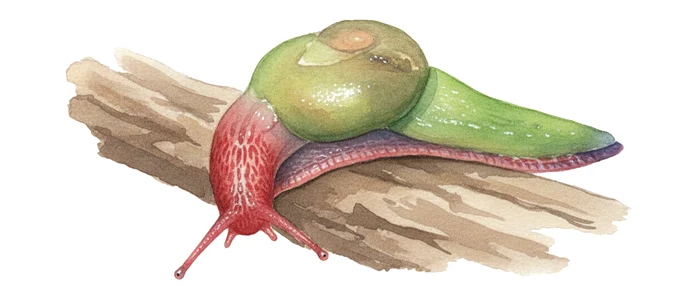
Attenborougharion rubicundus
• What it is: a small land snail, less than 40 mm long, with a spectacular dotted red and intense green coloration. It is considered a semi-slug because the thin shell does not allow it to fully retract.
• Where: Wet, closed canopy forests of Tasmania
• When: Appointed in 2017
“Named after Sir David Attenborough, Life Patron of the Australian Museum, in recognition of his outstanding contributions to natural science and conservation.” – Isabel Hyman and Frank Köhler, “Records of the Australian Museum”, 2017
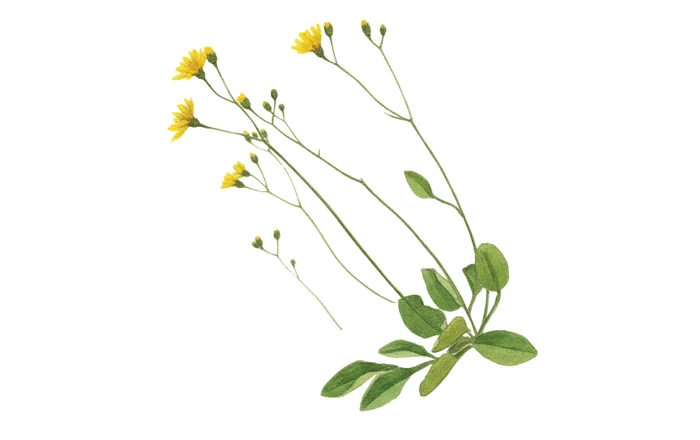
Hieracium attenboroughianum
• What it is: A small and hardy species of vulture, the only living species in the British Isles to bear its name. It blooms briefly in summer, coloring the rocky landscape with yellow flowers. It is considered an endangered species.
• Where: A single population of about 300 plants on sandstone ledges of Mt Cribyn, Brecon Beacons, Wales
• When: appointed in 2014
“I named this species in honor of Sir David Frederick Attenborough, whose ‘World About Us’ series inspired me to study ecology at the age of 17… With this name I pay tribute to the eloquent way in which he educated us about the natural world.” – TCG Rich, “New Journal of Botany”, December 2014
The “secret superpower” of the legendary David Attenborough: the man who, at 100 years old, continues to inspire the whole world
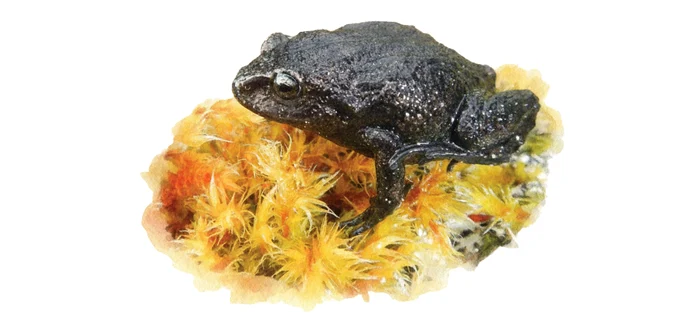
Pristimantis attenboroughi
• What it is: A tiny, short-snouted frog, the first amphibian named after Attenborough. It reproduces terrestrially, without a tadpole stage.
• Where: montane forests and Andean grasslands of the Pui Pui Reserve, Peru
• When: Appointed in 2017
“We dedicate this species to Sir David Frederick Attenborough for his educational documentaries about wildlife, especially amphibians, and for his role in promoting nature conservation.” – Edgar Lehr and Rudolf von May, “ZooKeys”, 2017
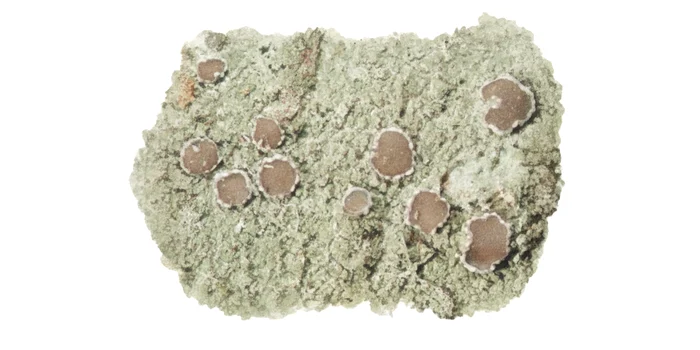
Attenborough’s Malmide
• What it is: a corticolous, crustose lichen that lives on the bark of trees and uses a green alga from the Chlorococcaceae family for photosynthesis.
• Where: a single locality in the upper Amazon Basin, Bolivia
• When: Appointed in 2019
“The species is named after Sir David F. Attenborough for his major contributions to the popularization of biodiversity and nature protection.” – Beata Guzow-Krzemińska et al., “Phytotaxa”, 2019
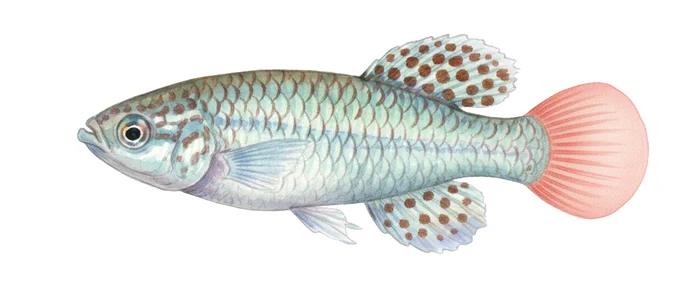
Nothobranchius attenboroughi
• What it is: a small, colorful fish that lives in seasonal ponds. Lays eggs in the muddy substrate; the adults die when the water evaporates, and the cycle begins again with the next rainy season.
• Where: Seasonal habitats in eastern Lake Victoria, Tanzania
• When: Appointed in 2020
“We wanted to honor Sir Attenborough because he inspired millions of people to admire the beauty of nature and understand the importance of conserving biodiversity.” – Béla Nagy et al., “Ichthyological Exploration of Freshwaters”, 2020
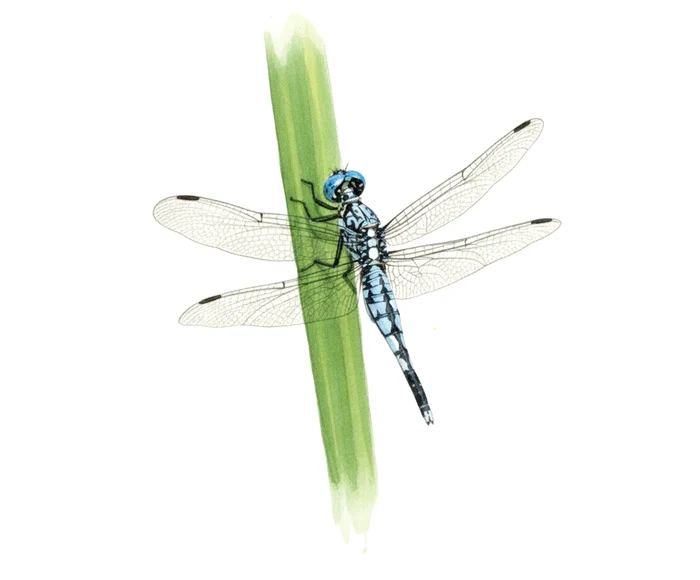
Acisoma attenboroughi
• What it is: A spectacular blue and black dragonfly with finely ribbed wings. Agile flyer, frequently found in rice fields and near fresh water.
• Where: Madagascar
• When: Appointed in 2016
“New species honors Sir David Attenborough on his 90th birthday. His documentaries have inspired generations to love and protect nature.” – Lotte P. Mens et al., “Zootaxa”, May 2016
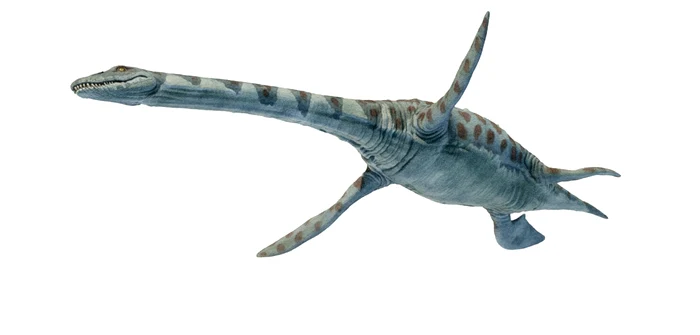
Attenborosaurus conybeari
• What it is: fossil genus of extinct plesiosaur. These marine carnivorous reptiles lived in the Jurassic and Cretaceous periods and were notable for their long necks, hydrodynamic bodies and four fins.
• Where: The original specimen was discovered on the Jurassic Coast of southern England
• When: discovered in 1880; renamed as a new genus in 1993
In a 2015 interview with The Washington Post, Attenborough was asked if he had a favorite species named after him: “To be honest, yes… To have a species named after you is nice. But to have a genus named after you is something else entirely. Attenborosaurus is really something special.”
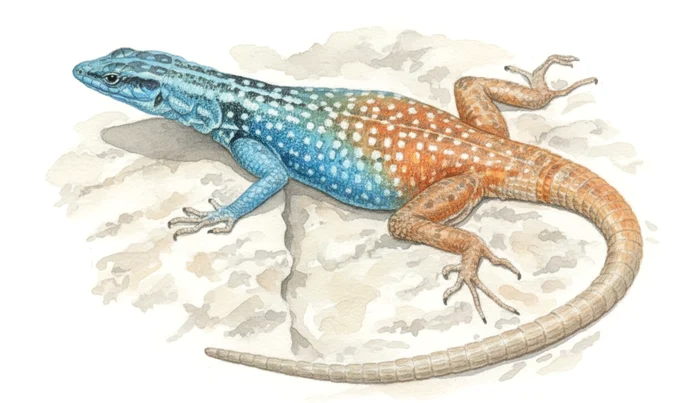
Platysaurus attenboroughi
• What it is: a lizard adapted to rock formations. The flattened body allows it to hide in narrow crevices for protection. The species shows sexual dimorphism, males being larger and brightly colored.
• Where: northwest South Africa and southern Namibia
• When: Appointed in 2015
“We named this species in honor of Sir David F. Attenborough for his enormous contribution to the public understanding and appreciation of nature. He made flat lizards famous in the BBC series ‘Life in Cold Blood’.” – Martin J. Whiting et al., “Zootaxa”, July 2015
