
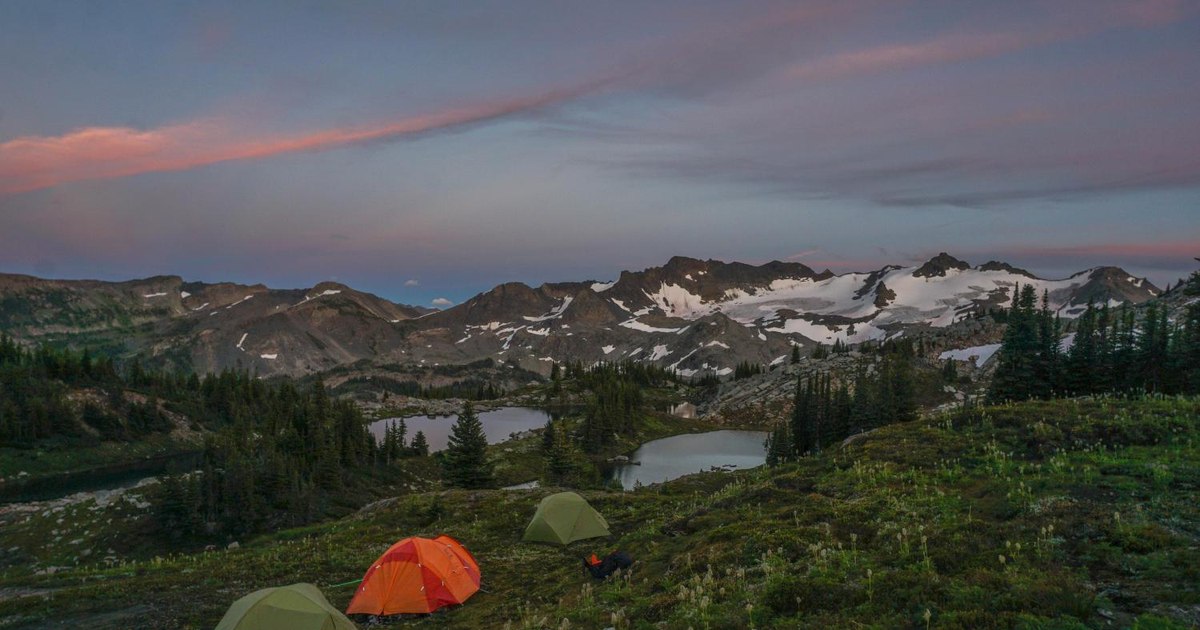
Vacations spent in nature have become popular again, and many tourists choose to spend them in a tent or caravan. Romania is an offerer for nature tourism, but it has strict rules and areas where unauthorized camping can bring considerable fines.
Vacations with a tent or caravan have become increasingly popular in Europe in recent years, and Romania has a high potential for such trips. Camping, one of the forms of tourism preferred by Romanians in the past, with the development of mass tourism from the communist period, went into decline after 1990, but gradually returned to attention. The interest in spending time in nature, the popularity of routes such as the Via Transilvanica and the large number of visitors from the national parks and the Danube Delta have contributed to this return.
However, Romania lagged behind the western states. According to Eurostat data, in 2025 tourists spent 413 million nights in campsites and caravan parks in the European Union, the most in France, Spain, Italy and Germany. In Romania, this form of tourism represented only approximately one percent of the total nights spent in accommodation structures, i.e. around 300,000 nights, concentrated especially in the summer months.
Campsites in Romania, developed in the 70s
In Romania, the camping tradition has a history of over a century. In the interwar period, the press presented it as an accessible form of leisure, which did not require special preparations or excessive expenses and offered tourists the opportunity to discover nature. Poiana Brașov, Lake Snagov and the Mangalia area were then among the places frequented by fans of tent trips.
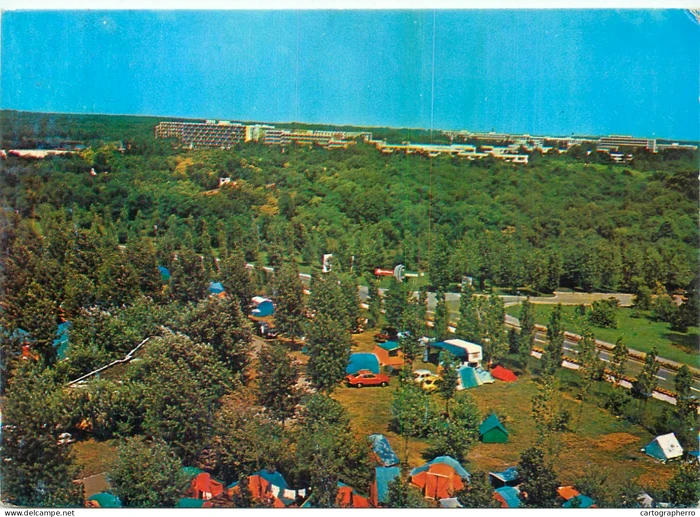
However, the campsite experienced the most extensive development during the communist period, especially starting from the 60s and 70s, when the “Carpathian” National Tourism Office and, later, the Ministry of Tourism developed more and more land dedicated to this form of tourism. Lands for tents, often supplemented by wooden houses, extended in the Carpathian Mountains, on the coast, near reservoirs, on the banks of the Danube and rivers, or in the forests on the outskirts of cities. In 1972, the network included 125 tourist camping bases, according to the Ministry of Tourism.
After 1990, mass tourism declined, and many of the campsites developed in the previous decades lost their importance or disappeared. However, part of the infrastructure has been preserved, especially in the well-known tourist areas. Some pitches intended for tents, wooden houses and spaces for caravans have been modernized, others are left with modest facilities. In recent years, the interest in holidays spent in nature has gradually returned camping to the preferences of tourists.
Areas where camping is prohibited
Tourism with a tent or caravan is regulated by several normative acts, depending on the area chosen for camping. The strictest rules apply in protected natural areas, where the installation of tents is allowed only in specially arranged places.
“It is a contravention to camp on the surface of protected natural areas outside of specially arranged places, as well as non-compliance with the regulations specific to camping places”shows article 53 of GEO no. 57/2007 regarding the regime of protected natural areas. Individuals who violate this provision risk fines between 3,000 and 6,000 lei.
The same ordinance sanctions the access and circulation of visitors in natural habitats, outside the approved and signposted tourist routes, but also the failure to evacuate waste produced during excursions. In addition, unauthorized access with cars, motorcycles, ATVs or other vehicles in protected natural areas, outside of permitted roads and lands, may be fined.
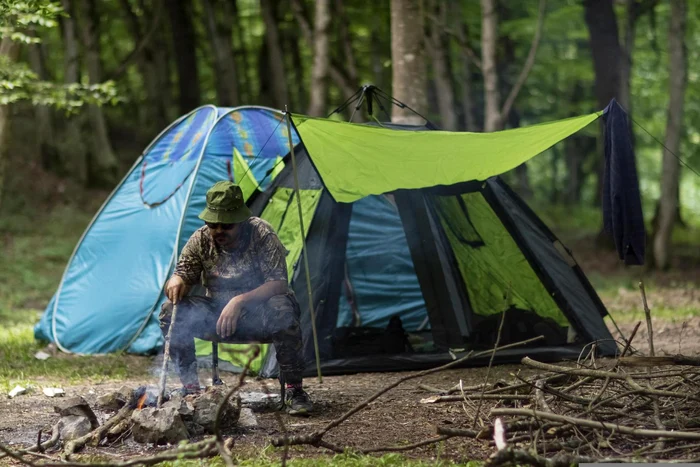
Additional restrictions also apply in forests. The new Forestry Code allows pedestrian or bicycle access to the forest fund, on your own responsibility and without causing any damage.
“Public access to the national forest fund with self-propelled or animal-drawn vehicles is prohibited“, states Law No. 331/2024 on the Forestry Code.
However, access to forest roads, for the purpose of transit, may be allowed under the conditions established by the owner or administrator, when they serve touristic, utilitarian or recreational objectives and the integrity of the forest fund is not endangered. Administrators and owners can temporarily limit access to fire risk areas, logging or hunting perimeters, and strictly protected areas.
Camping holidays in nature are conquering Europe. How the camping fad appeared and died out in Romania
Tourists must also take into account the property regime. Setting up the tent or parking the caravan on private land is done with the consent of the owner, even if the place is not in a protected natural area.
Where you are allowed to camp with your tent in the mountains
In the mountains, the safest options are the authorized campsites and the places designated by the administrations of the natural or national parks. In protected natural areas, tourists cannot set up their tents in any clearing or on the shore of any lake, even if the place seems suitable and is frequented by other hikers. Rules differ from park to park and should be checked before departure.
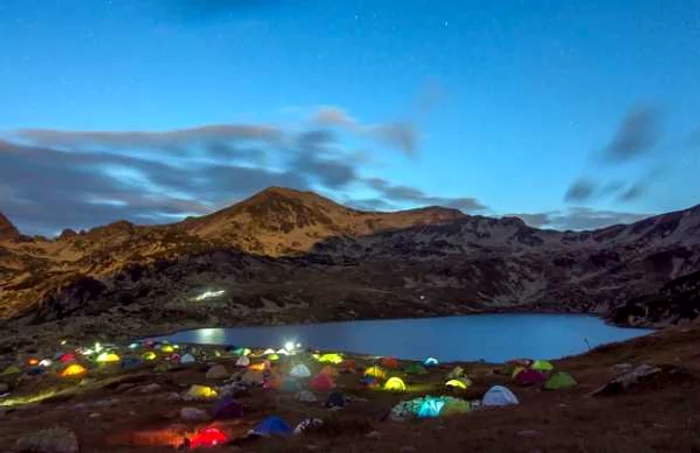
For example, in Retezat, camping is allowed only in specially designated places. During the summer, Lake Bucura in Retezat welcomes many tourists, who camp at over 2,000 meters above sea level, on its shores. Below the glacial lake, Poiana Pelegii, located at 1,630 meters above sea level in Retezat, has remained a popular camping spot, being also the starting point for several spectacular tourist routes in the massif. The lakes and mountain areas of Zănoaga, Gura Apelor, Pietrele, Râușor, Buta and Câmpusel offer camping spaces.
“Tent pitching is only allowed in specially designated/permitted areas for this purpose, without digging trenches around the tent, without placing branches, brushwood, ferns, moss under, above or around the tent to arrange your bivouac”announces the administration of the Retezat National Park.
Mountain refuges are intended for exceptional situations, such as severe storms or unforeseen incidents, and should not be confused with regular accommodation.
Where do you camp in the Danube Delta?
In the Danube Delta Biosphere Reserve, the rules are stricter. Tourists cannot set up their tents at random on the banks of the canals, on the beams or near the beaches located in the perimeter of the reserve.
“Camping outside approved areas or under conditions other than those authorized, as well as non-compliance with the rules established for the use of camping areas, is prohibited”shows Law no. 82/1993, regarding the establishment of the “Danube Delta” Biosphere Reserve
To visit the Danube Delta, a tourist access permit is required, and to enter by car, a car permit must also be obtained. The Administration of the Danube Delta Biosphere Reserve separately issues overnight permits for tourists who carry out slow activities on the water. Among the areas are the Mila 36 Canal, the Şontea Noua Canal, the Dranov Canal, the Dunavaț Canal, the Sulina Canal, the Old Danube and Războnița.
The unknown side of holidays in Greece. Which are the most crowded and expensive islands and how to avoid them
Restrictions on Romanian beaches
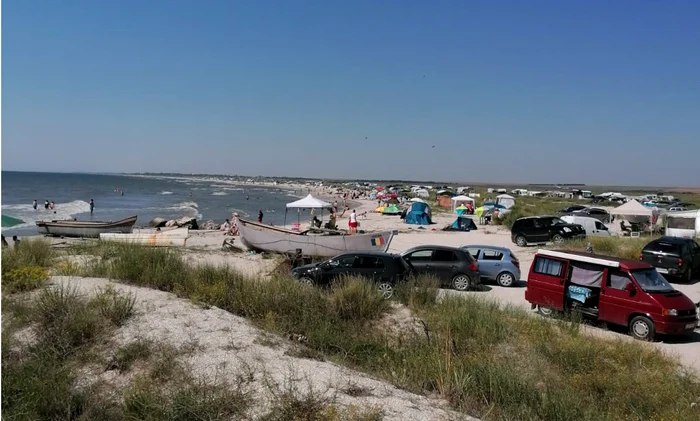
On the beaches of the Black Sea coast used for tourist purposes, camping is not allowed, in places not designed for such activities. GEO no. 19/2006 regarding the use of the Black Sea beach provides that beach users have the obligation “not to allow camping on the beach”. The same normative act prohibits the movement or parking of vehicles on tourist beaches, except for intervention and maintenance equipment.
The rules are even stricter in the coastal sectors within the perimeter of the Danube Delta Biosphere Reserve, where special provisions regarding camping only in approved areas also apply. Tourists must distinguish between the beach itself, the adjacent lands and the authorized campsites near the coast. The fact that a plot of land is close to the sea does not automatically mean that it can be used for pitching tents.
Where are you allowed to camp with your caravan
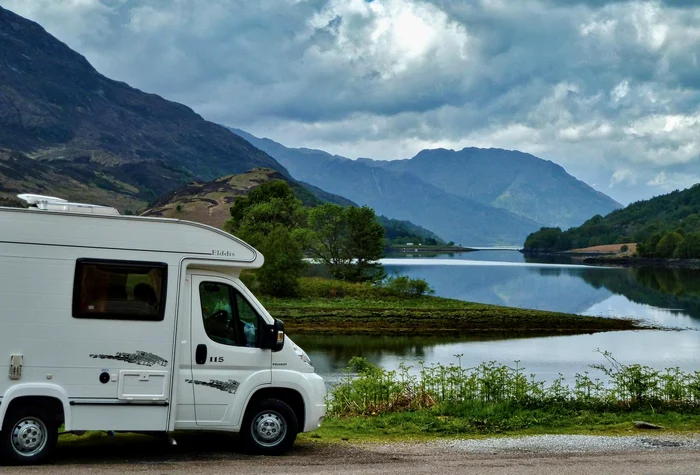
Tourists traveling by caravan or motorhome must distinguish between parking and camping. Camping in a permitted place does not mean that the awning, outdoor furniture or other equipment can be extended, nor that a camp can be set up. The safest options are authorized campsites and car parks for caravans and motorhomes.
In the forests, access with caravans is restricted, the transit of some forest roads may be allowed under the conditions established by the owner or administrator, if they serve tourist, utility or leisure purposes.
