
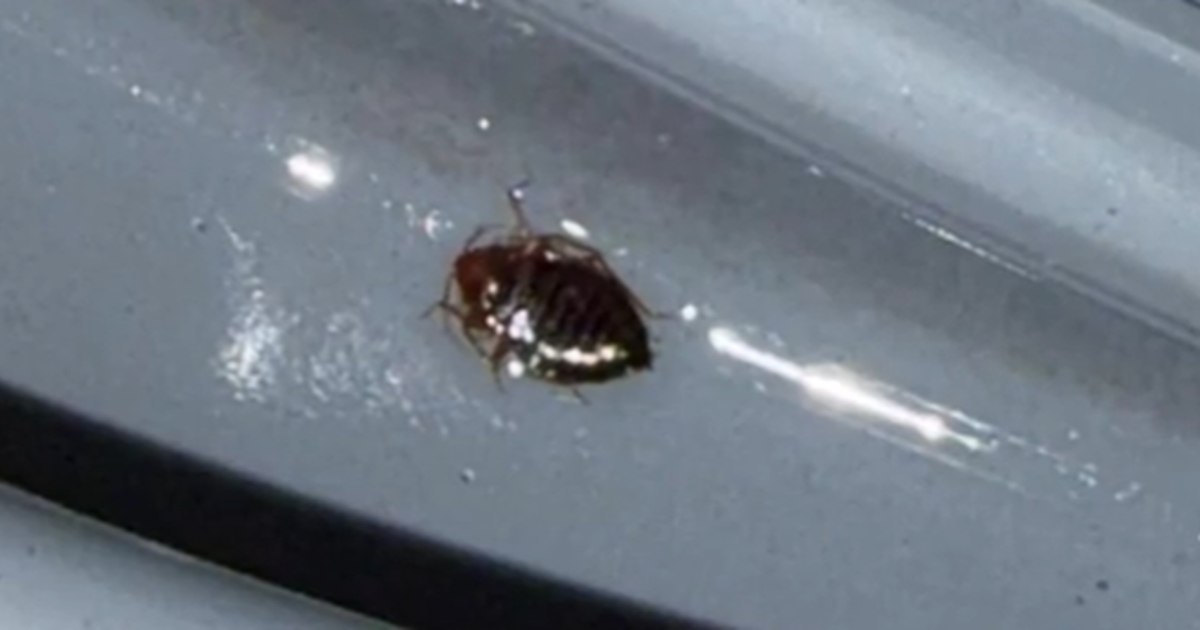
The presence of bed bugs in public transport spaces, including the subway, has become an increasingly discussed topic in large European cities, against the background of high mobility and the constant flow of passengers. Although there is no confirmation that these insects are widespread in transport networks, hygiene specialists point out that buses, trains and subway cars can become favorable environments for the accidental transport of bed bugs.
The good news is that the risk can be significantly reduced by taking a few simple precautions.
Why public transport can become a risky environment
Bed bugs are small, extremely hardy insects that hide especially in textiles, seams and hard-to-reach areas. In crowded spaces, such as the subway or buses, upholstered seats and the large flow of people create favorable conditions for accidental transfer.
The problem is not necessarily that insects “live” on public transport, but that they can be carried passively by passengers or luggage, and then hide in clothes, bags or backpacks. Once at home, they can be difficult to detect and remove.
Beware of contact with textile surfaces
One of the main recommendations of specialists is to avoid prolonged contact with upholstered surfaces, where possible. On short journeys, standing can reduce the risk of direct contact with the seats.
If you still use a seat, it is recommended to avoid placing clothes or bags directly on the upholstery. The backpack or bag should be held in your arms or on your knees, not on the floor or chair.
How to properly manage your luggage while traveling
Bags and backpacks are the main points through which bed bugs can be transported without being noticed. That’s why it’s important to keep them as close as possible to you and avoid contact with public transport surfaces.
If you have to put your luggage down, a useful solution is to use a protective bag or a plastic bag to put your backpack in. Although it is not a perfect method, it significantly reduces the risk of direct contact with possible insects.
What do you do right after you get home?
An essential step in prevention is the immediate reaction after the trip, especially if you sat on upholstered seats or had your luggage on common surfaces.
Clothes worn on public transport should be washed directly, ideally at high temperatures. Drying on high heat for at least 30 minutes is one of the most effective ways to get rid of bed bugs and their eggs.
Student dormitory in Grozăvești infested with bed bugs. Students break their silence: “They tried to cover up the case”
Bags and backpacks should not be left on the bed, sofa or in the laundry basket before being checked and, if possible, cleaned. The idea is to avoid a potential “stealth passenger” from reaching areas where he can easily hide.
Signs that may indicate possible contamination
Although bed bugs are hard to spot, there are some clues that can raise suspicions. These include small marks on the skin after sleeping, tiny stains on linen or the presence of very small insects in areas close to the bed or sofa.
In such situations, quick intervention is important, as bed bugs can multiply quickly and become difficult to remove without professional treatments.
Public transport remains safe, but vigilance helps
Experts stress that public transport remains an essential part of urban mobility and should not be avoided because of bed bug fears. The risk of infestation is low, but not non-existent, especially in the context of crowding.
With a few simple measures, such as avoiding direct contact with upholstery, protecting luggage and quickly sanitizing clothes after travel, the likelihood of bringing bed bugs home can be significantly reduced.
How to get rid of bed bugs: essential recommendations
- Wash all clothes and textiles at a minimum of 60°C as soon as you suspect an infestation, as high temperatures kill bed bugs and their eggs.
- Tumble dry on high for at least 30 minutes, even after washing, to completely remove any remaining insects.
- Carefully vacuum mattresses, sofas, baseboards, furniture corners and the area around the bed, then immediately dispose of the vacuum cleaner bag in a sealed bag.
- Insulate your mattress and pillows using bed bug covers, which block the insects’ access and prevent their spread.
- Temporarily move the bed against the wall and avoid bedding touching the floor to limit areas where bed bugs can climb.
- Check and treat all textiles in the home, including curtains, rugs, backpacks and stored clothes.
- Use heat or hot steam treatments on infested surfaces, as bed bugs cannot withstand high temperatures.
- Apply specific insecticides only if they are recommended for bed bugs and strictly follow the instructions for use.
- Seal hard-to-wash items in airtight bags for several days or weeks to interrupt the insects’ life cycle.
- Call on specialized disinfestation companies, because severe infestations cannot be effectively eliminated by domestic methods alone.
