
The race of innovation in tech has reached a dizzying speed, and the big manufacturers are fighting a close battle for the supremacy of artificial intelligence gadgets. The year 2026 brings to the market a new generation of smart devices that promise to redefine trends through truly amazing technologies.
Technology is advancing at a dizzying pace, especially thanks to the use of artificial intelligence in all areas of the market. Basically, this new kind of intelligence has revolutionized almost every gadget in existence, from mobile phones to glasses and even simple bracelets. In the year 2026 there is an explosion of smart devices, which are more interesting, more complex and which actually amaze you.
Three types of devices are a big deal this year, though. First of all, these are those where the technology is strongly focused on integrating artificial intelligence directly into hardware and hybrid devices. The most popular gadgets combine extreme productivity with a minimalist design.
Sunglasses as if taken from science fiction movies
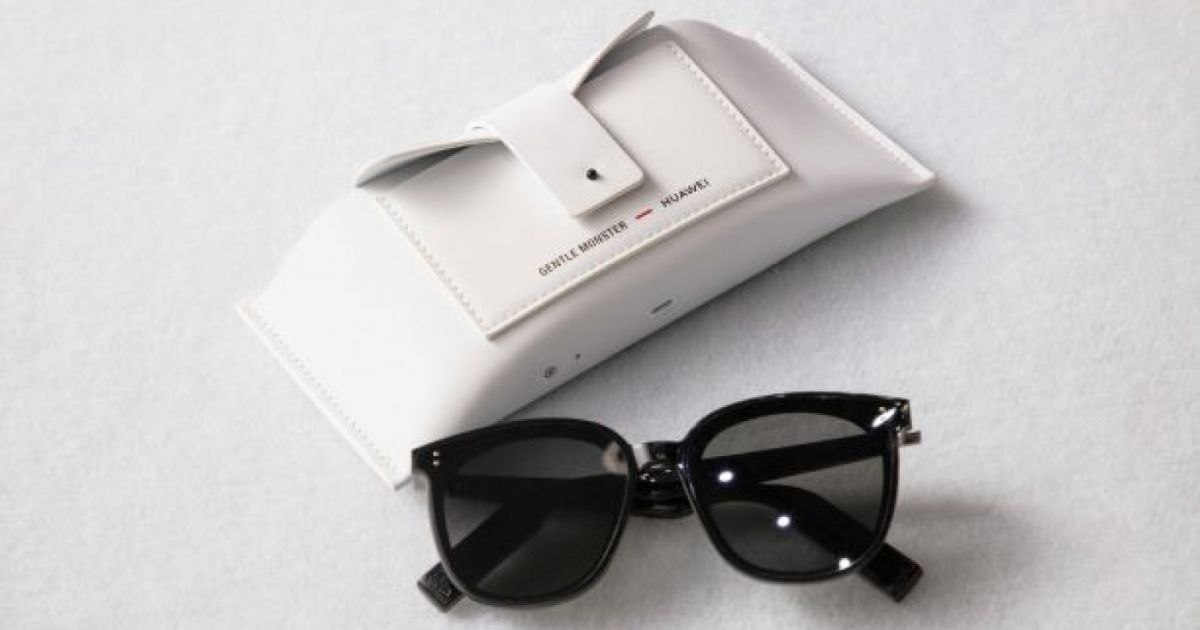
One of the hottest hi-tech devices of 2026 is undoubtedly smart glasses. You can’t even imagine what they can do with artificial intelligence. “Smart glasses” are, in short, a hybrid between a pair of regular glasses and a smart device. In the last two or three years they have started to become a really interesting category, especially thanks to the integration of artificial intelligence. What they can do depends a lot on the model. There are currently three broad categories: camera and AI smart glasses, augmented reality glasses, and utility glasses, used in various industries.
As we mentioned, the most popular are smart glasses with AI. They can do a lot of things. Specifically, they can take photos and film from the user’s perspective, play music through built-in speakers, take phone calls, translate conversations in real time (for certain languages and scenarios), answer questions using artificial intelligence, and identify objects, monuments or products you’re looking at. Basically, the AI ”sees” what you see in real time and can give you information about the objects around you.
Glasses with augmented reality are, in turn, very spectacular. More precisely, they display information directly in the field of view, such as notifications, GPS directions, real-time subtitles, translations, emails, meeting information or a teleprompter for speeches. Instead of taking your phone out of your pocket, see the information right in the lenses. Smart glasses in the industrial field obviously operate with systems that provide all the useful data in that field. AI smart glasses basically bring you a personal assistant just by wearing a pair of glasses.
AI transforms smart glasses from a simple gadget into a personal assistant. The glasses use the camera and microphones to understand the context and then respond vocally or display the information on the lenses (if the model has a screen). However, smart glasses also have some disadvantages. More specifically, the autonomy is still limited (usually a few hours of active use), there are privacy concerns because some models have a camera, and many AI functions require an Internet connection.
Most industry analysts believe that the next five years will be decisive for this category. Companies like Meta, Google, Apple, Samsung Electronics and XREAL are investing heavily in developing lighter models with more efficient batteries and increasingly advanced AI capabilities. The goal is that, over time, smart glasses can take over some of the functions of the smartphone: navigation, messaging, photography, Internet searches and AI assistance, without the need to constantly look at the phone screen. The prices of smart glasses vary depending on the technology used, from around 500 lei for basic models to over 5,000 lei for the most powerful ones.
moto g31 is available in Romania
When a simple TV turns into an art gallery
Another megahit in terms of technology in the year 2026 are smart TVs transformed into art galleries, precisely to integrate into vintage or stylish homes. They are called “Art TV” and when they are turned off they look like paintings. Obviously, the images can roll and change as we wish, including with the help of voice commands and artificial intelligence.
These TVs first hit the market in 2017, but that was a pioneering period. Only starting in 2025, these TVs started to be produced by more manufacturers and ended up becoming a fashion in 2026.
When turned on, these devices function as top-of-the-line 4K smart TVs, and when turned off, they activate Art Mode, displaying famous works of art or personal photos. They have an extremely thin profile and removable magnetic frames, available in various colors and textures, such as wood or metal, to better integrate according to the architecture of the home. They mount on the wall and are almost as flat as a painting, benefiting from a special stand included.

These TVs benefit from anti-reflection technology, which allows the textures of artworks to be displayed with high realism, eliminating disturbing reflections of light in the room. They have smart sensors. The TVs are equipped with an ambient light sensor that automatically adjusts the brightness and colors of the screen so that the digital picture looks as natural as possible in the room. They also have a motion sensor that turns off the screen if no one is in the room to save power.
Through the “Art Store” platform, you have access to thousands of paintings and works of art from famous museums around the world. The new models integrate advanced functions based on artificial intelligence, which can perform image optimizations depending on the displayed content. Obviously, the cables are “hidden”. The best-known models on the market are Samsung The Frame (the model that popularized the concept), Hisense CanvasTV, TCL NXTFRAME and LG OLED evo Gallery Edition. You can also display personal photos on these types of TVs. Some platforms offer free collections, while others operate on a subscription basis for access to extensive libraries.
The T-shirt you never change
Yes, there is such a thing. But you don’t use it endlessly, but a large number of days. More specifically, the manufacturer of the HercShirt V5.0 claims that you can use it for 30 days without washing it and without it smelling bad.
Samsung, the first brand to introduce AI technology in its entire range of products

This is possible because, the manufacturer says, the odor-fighting technology is integrated directly into the fabric. It would be about seven natural elements, such as copper, silver and volcanic ash. These would work within the fabric to neutralize odors that would normally send the clothes straight to the laundry basket. The product is also promoted from a sustainability perspective. It can cost as much as $150.
