
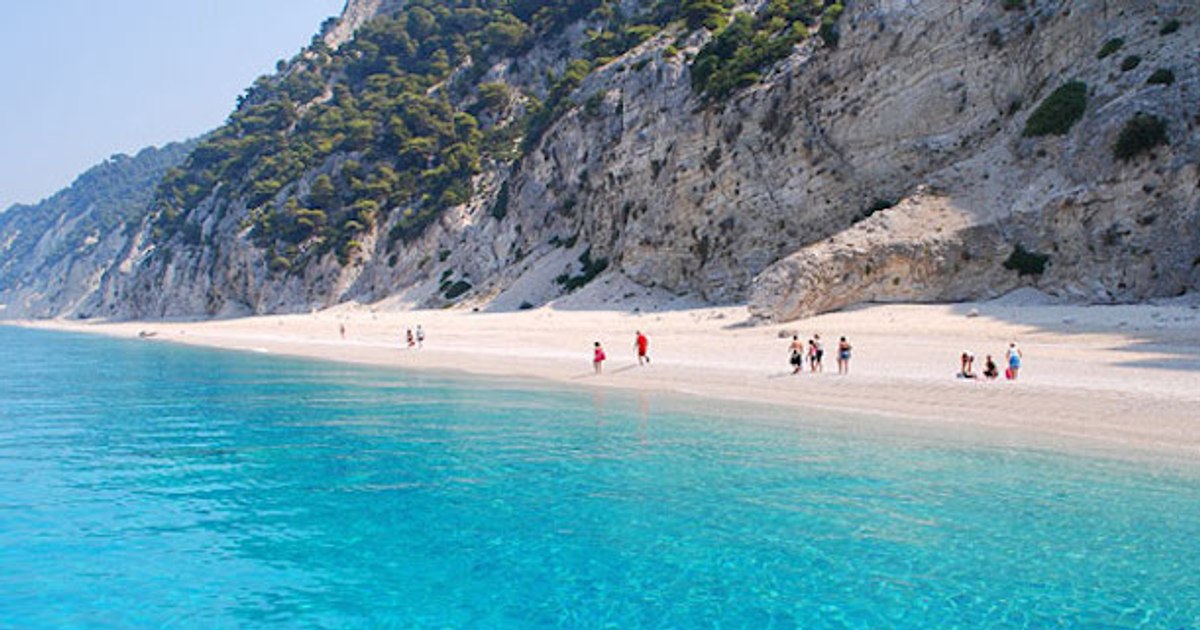
Lefkada, the Greek island in the Ionian Sea admired for the beauty of its beaches and chosen by more and more Romanian tourists, hides a fascinating past. Beyond the crystal clear waters and spectacular landscapes lies Cape Lefkada, a place shrouded in mystery.
Cape Lefkada is the southernmost point of the island. It is a spectacular rock formation with steep white walls that rise above the Ionian Sea and offer one of the most impressive views in Greece.
The name of the island itself is linked to this legendary head. In Antiquity, the area was known as “Lefkas petra”expression meaning “white rock”, due to the spectacular color of the cliffs that dominate the sea. Over time, this dramatic landscape has given rise to many stories of gods, heroes, lost loves and sacrifices.
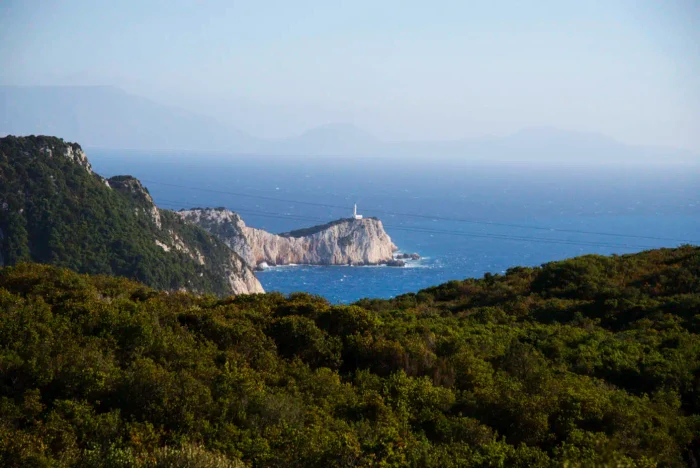
Located at the southern tip of the island, Cape Lefkada consists of steep white cliffs jutting out from the choppy waters of the Ionian Sea. Some sources mention heights of around 30 meters, while other descriptions of the cliff point to higher areas of the rock formation, Greekreporter writes.
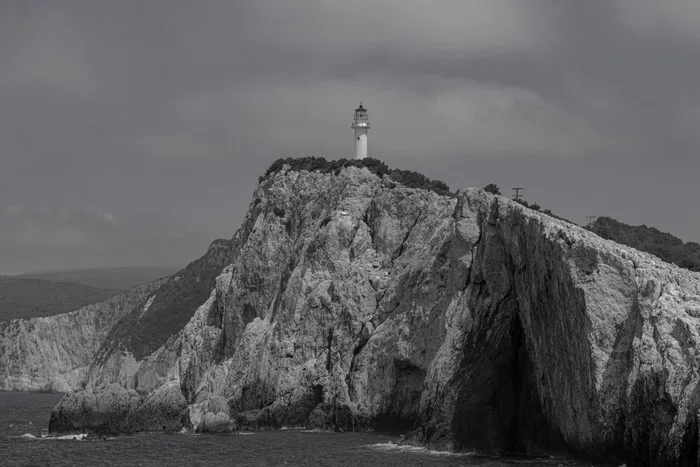
Near the tip of the cape is the Doukato Lighthouse, built in 1890. Today, it is one of the island’s most famous tourist spots, offering spectacular views of the sea and the neighboring islands of Ithaka and Kefalonia. In the past, however, this area was associated with rituals, shrines and dark legends.
The legend of the most famous tragedy
The most famous story related to Cape Lefkada is that of the ancient poetess Sappho, one of the most important figures of ancient Greek literature, known for her verses about love and human emotions.
According to a legend spread in Antiquity, Sappho threw herself from the cliffs of Cape Lefkada after being rejected by Phaon, a handsome god of the sea with whom she had fallen in love. Because of this, the place remained known as “Sappho’s Leap”.
A sacred place of Antiquity
Cape Lefkada, however, has a tragic history much older than the legend of Sappho. The remains of an ancient temple believed to be dedicated to the god Apollo were discovered nearby.
Ancient sources mention that the area would have been a sacred place and a refuge for those seeking protection. At the same time, some accounts speak of sacrificial rituals, in which people would have been thrown off the rocks to propitiate the gods.
