
Misogyny and misandry are the two faces of violence against women and men respectively, two equally dangerous extremes that do not contribute to the safety and good development of a society.
Image from the song Macarena by Erika Isac SOURCE video capture
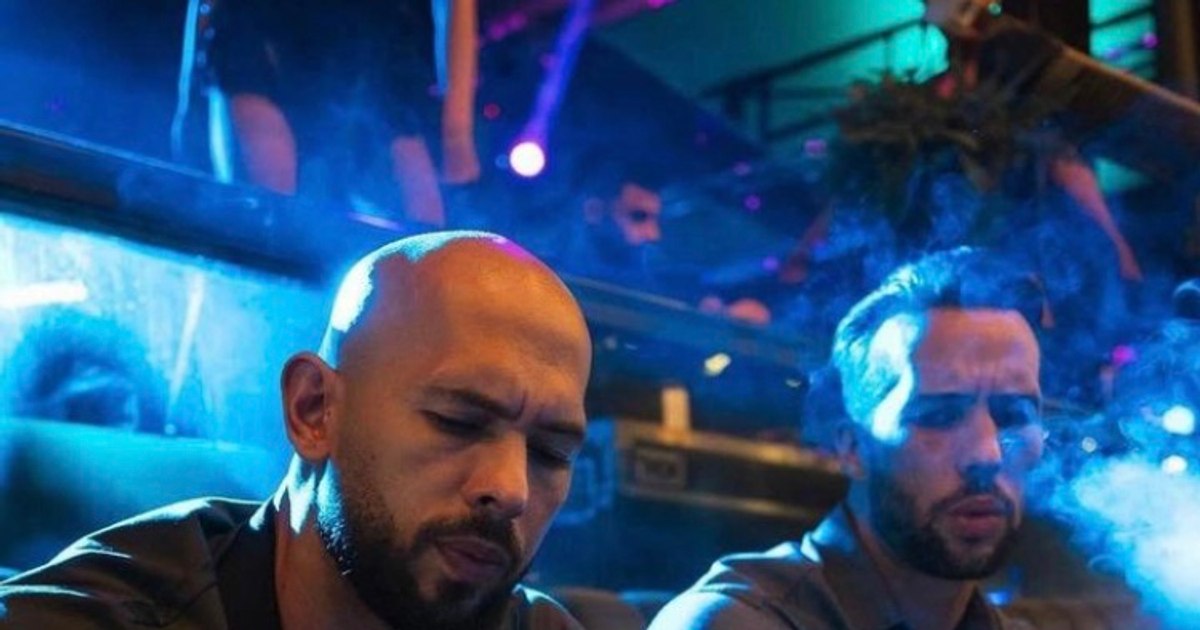
Abuse against women comes from an archaic mentality still prevalent quite often in the Romanian countryside, but it has also ended up being promoted by opportunistic influencers like the Tate brothers, who become gurus for young people lacking healthy role models in what it means to be a man .
The highly praised but also controversial song “Macarena” by the singer Erika Isac relaunched the debate about violence against women in Romania.
“Weekend Adevărul” talked with Nelu Leșuțan, cognitive-behavioral psychotherapist, clinical psychologist and teaching staff at the Western University, “Vasile Goldiș” in Arad, whose research fields include masculinity, about the relationship between abuse against women and masculinity, about the effect of influencers like the Tate brothers on young people and the solutions we have at hand to avoid being a misogynistic society.
The toxicity that warps masculinity
“Weekend The truth': Where do we draw the line between masculinity and toxic masculinity?
Nelu Leșuțan: Toxic masculinity refers to certain behaviors associated with men, such as violence as a means of resolving conflicts, dominating and controlling others, but also the pressure to always be strong, independent. It is important to understand that toxic masculinity is not the same as masculinity itself. There are, however, certain customs that men have adopted under the influence of society, which are associated with masculinity and can be harmful both to themselves and to those around them.
Scientifically speaking, masculinity is constructed from a component given by biological sex and gender and is much more complex, just like femininity for that matter, than the ideas circulated on social networks. So, by no means is masculinity reduced to behaviors, in this case harmful ones. As long as we confuse or conflate masculinity with misogyny in our minds, we will not treat each other with respect or even cause more suffering, because wrong thoughts and perceptions are sources of suffering, as shown many studies in psychology.
– From the novels studied in high school (eg “Mara”,
“Ion”,
“Baltagul” or “The last night of love, the first night of war”), to the 5 o'clock news (which chronicles murders, rapes and other violence) and to scenes in the Romanian Parliament, in which a party leader threatens a woman, we observe a bizarre attitude aboutyour
violentThey
towards women. What do you think is the cause of this phenomenon? Is there a perception of masculinity in Romania that is different from the one perceived in the Western space?
In general, violence is present in all cultures and from all times, not being the exclusive prerogative of men, it is also present in women. From a psychological perspective, violence is behavior that often causes pain and suffering to others and is actually a protective mechanism to avoid one's own suffering. Sure, this isn't the best approach, but until we heal our own wounds, individually and as a society, we have no way of seeing the wounds we cause others through our behaviors.
We don't necessarily have a different conception of masculinity compared to Western countries, but as a society we don't discuss this topic enough and we don't put it in the context of the evolution of today's society, where we see a reconfiguration of the roles of women and men. We prefer to avoid the discussion, or we place ourselves in opposite camps and attack each other, because the suffering on both sides is very great and we express it in the wrong way. However, as we see, both strategies are bankrupt and will not get us out of this vicious circle of violence.
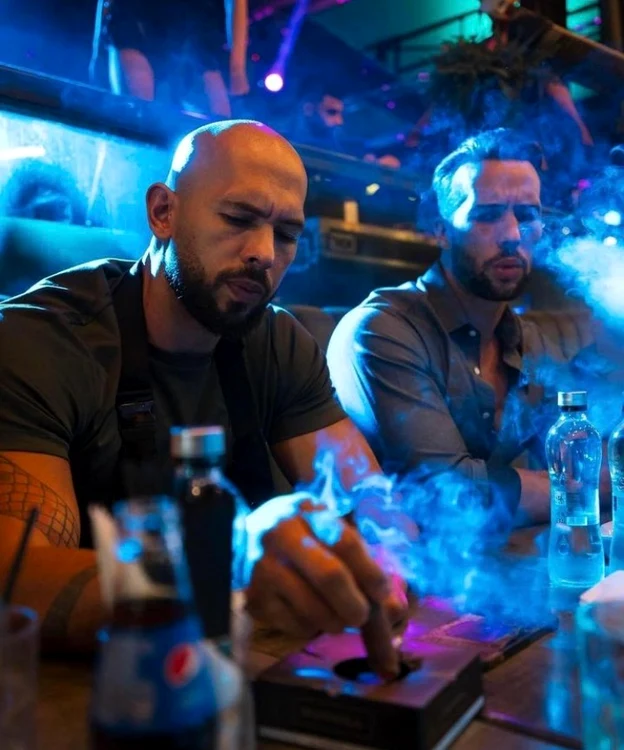
Without fathers' involvement in education, boys find harmful mentors. PHOTO: Personal archive
Boys, no healthy role models
– The Romanian Society, at over 30 years since events since 1989, begins to understand how women are respected in Western society and notions such as gender equality, but we find that influencers appear like the Tate brothers and their Romanian epigones who throw young people, at the level of mentality, back several decades. How is this possible? Why are these types of influencers successful?
Influencers like this exist everywhere. The ones you mentioned have followers all over the world, not just in Romania, and they don't necessarily throw young people back decades. In the USA or in Japan, for example, we have communities of “incels” (an acronym for involuntary celibacy), among whom there are mainly men who consider themselves incapable of having or maintaining a romantic or sexual relationship, although they they would like it, and they have such influencers as gurus. How is this possible? First, because boys, in their process of defining masculinity, do not have healthy models of what it means to be a man. Secondly, masculinity, especially from the perspective of social roles, is going through a major crisis, which gives way to opportunists who offer easy and immediate solutions, winning, however, for them – money, power, influence.
– What can we do in this case?
From my point of view, the problem needs to be addressed on several levels. At the social level, let's redefine the role of the father in the lives of children, especially boys, who should contribute 80% to their education, as many specialist studies show. Still, in most cases, the responsibility of raising children falls on mothers, and when a boy does not have a father present in his life, he will look for male models elsewhere, for example, in these influencers. At the level of formal and informal education, it is essential to prevent school dropout among boys, which is already at an alarming level, and to give them the opportunity to find mentors to guide them in a healthy way.
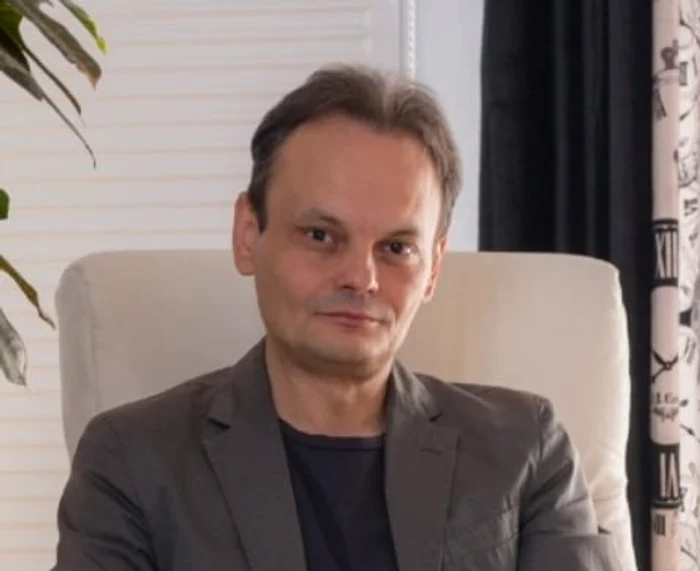
Psychologist Nelu Leșuțan studies masculinity. PHOTO: Personal archive
Rethinking masculinity
– I noticed that in the debate about the play “Macarena”, many men were unpleasantly impressed by the non-academic language. The language is shocking,
coming from a woman, but it seems much more acceptable if it is of one
man. We live in a society where, step by step, women come to earn more than their husbands, to hold social positions of power, to be more successful than their partners. How does this affect men's masculinity?
We have two different issues here. The song “Macarena” is an echo of a deep suffering, of a despair expressed with a strong emotional intensity, in an attempt to stimulate a change in society affected by certain harmful and suffering-generating thought patterns. The role of the characters in the play, however, may be played by each of us, men and women alike, at some point.
The fact that women play an increasingly active role in social and economic life leads to the need to rethink masculinity from the perspective of traditionally understood roles, which is why we are now talking about a crisis of masculinity.
Do not think, however, that this reconfiguration is passing by men. The impact on mental health is strong and is reflected in the percentage of men who commit suicide, double that of women (according to the data of the World Health Organization in 2019), in the percentage of addictions to alcohol, drugs, gambling, technology, dropping out of school, etc. However, replacing misogyny with misandry is not a solution, it only divides society and leads to even more violence on both sides.
– There were countless situations in which successful people – from the former head of the IMF, Dominique Strauss-Kahn (accused of rape) to famous athletes (see the latest case of the Brazilian footballer Dani Alves, recently sentenced to prison for rape) – had trouble understanding that there were limits to their power, to their masculinity. Do you think we have a problem, as a society, not necessarily Romanian, with keeping a balance between power, success, masculinity and the ethics of using power?
The fact that more men occupy or are in positions of power gives us the perception that there is a causal link between masculinity and the abuse of power, but this is not true. Rather, I would say that stereotypes related to gender roles are one of the factors that create a favorable context for violence against women. For example, the stereotypes related to the man who is the head of the family and the woman who must obey him, or those about the sexuality of the man. Abuse of power has to do with a person's position, not being male or female, and is fostered by lack of accountability and monopoly.
– How can one cultivate masculinity, let's call it positive, at home, at school and in society?
First, let's discuss this honestly and realistically and not through stereotypes and belligerent positions or denying the differences that exist between men and women. Recognizing differences so that we can capitalize on each person's strengths can lead to a better situation for all.
As I said, masculinity is going through a major crisis in the context of changes in society. Therefore, one solution might be to support the development of a man who has enough self-confidence and security to be able to give and receive respect.
The challenge is to do this without putting girls and women at a disadvantage, which would require a combined effort by individuals and institutions. On the other hand, men need to allow themselves to be more involved and receive help from others, to let go of the fear of being perceived as weak for receiving help.
