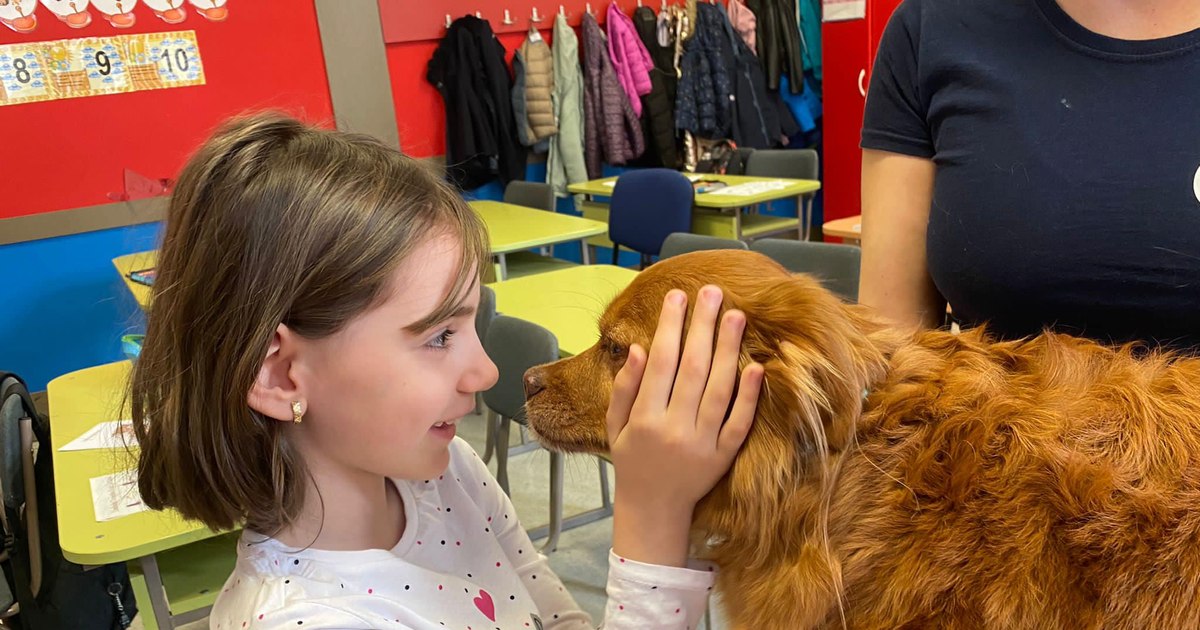
“Time with and for animals”, a pilot project in the schools of Ilfov could become an optional subject throughout the country.,This optional is not about puppies and kittens, but about developing students’ socio-emotional and civic skills“, argues Hilde Tudora, the initiator of the program. Psychologists also talk about the multiple benefits of education in this sense, but also about the importance of the presence of animals in children’s lives from an early age.
“Time with and for animals” PHOTO Animal Protection Office Ilfov
Why are animals so important in children’s lives?
As if affection and unconditional love were not enough, animals also bring other benefits to children’s lives. Psychologists talk about a multitude, proven even by studies:
“Having a pet in a child’s life brings endless benefits to a child’s emotional, behavioral, and even physical development. In recent years, scientists have devoted quite a bit of time to studying the relationship between pets and their owners, especially children, with very encouraging results for animal lovers. From increased physical activity, to improved blood circulation, reduced stress, increased self-confidence, increased empathy, increased sense of responsibility, increased socialization and relationship skills – all this, especially during the period when a child grows and structures his vision of himself and the world around him”. says psychotherapist Sabina Isdrailă.
Care and respect for animals must be cultivated from a young age, she adds. Modern society has come with improvements in animal rights, but with a distancing of man from nature.
,,,We need to consider the current context of children’s education, especially in the urban environment, where access to animals is not as
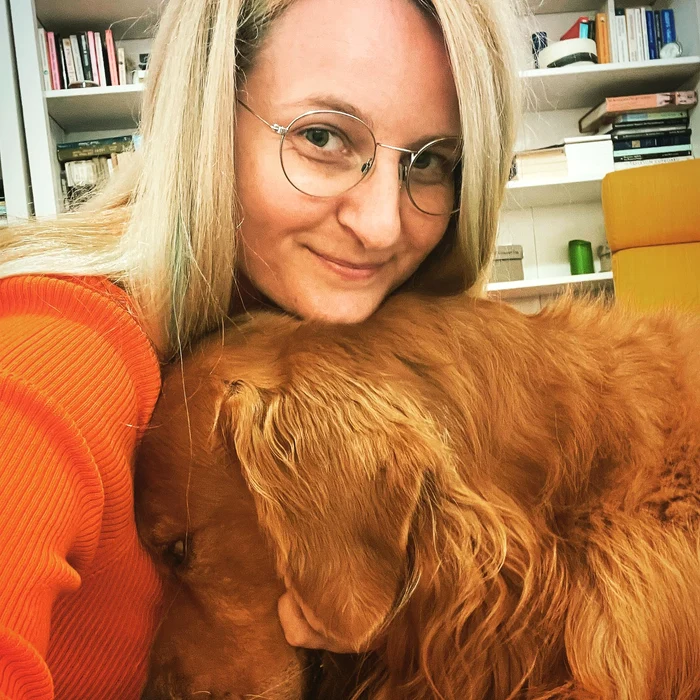
Psychologist Sabina Isdrailă and her dog, Jung
Animal care, subject in schools
Hilde Tudora is known online for her care of animals, which started from childhood.
“I don’t know what life is like without animals because I’ve never been put in that situation. I always had animals. I always wanted to save all animals. I finally understood that there was no way I could do that. But I really want to help build a better community. I would change a lot about myself, but I would never, in any context, take my love for animals out of my heart. I don’t want to imagine what kind of person I would have been if animals had not been in my soul.” she tells.
As an adult, from the position of director of the Ilfov Animal Protection Bureau, he came up with a unique project: an optional for children to learn about their rights, care and health.
“We started with a pilot project. I chose two schools from Ilfov, from the Domnești and Ciolpani localities. Together with an NGO, we started going monthly to these two schools, to the 6th grades. Each month we address a specific theme. The presence of animals in the classroom is obviously mandatory.” narrates Hilde.
They then expanded the optional to 23 more schools and it became a subject with proper documents: syllabus, textbook and notes in the catalog. More than 1,000 students attend such classes.
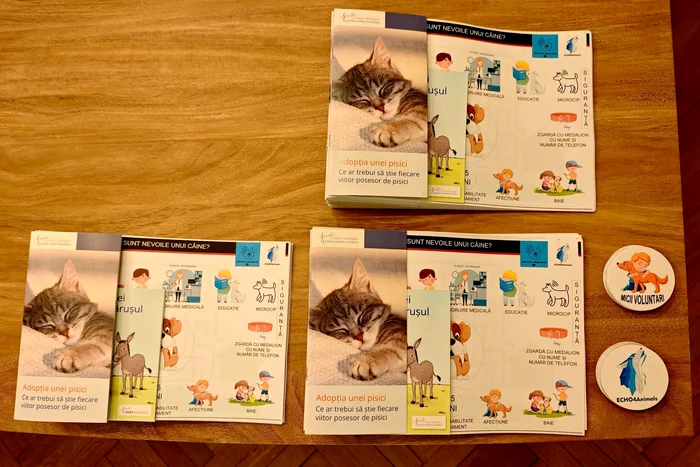
Course support PHOTO Facebook/ ECHO 4 Animals Association
“After the first year, we asked the students to fill in feedback questionnaires, which were then interpreted by researchers including from Estonia. The conclusions speak for themselves:
* 62% of students state that they helped their colleagues when they needed it;
* 54% declare that they were also helped;
* 58% report that they collaborated better with colleaguesi;
* 56% say it is generally easier for them to work together;
* 62% say they have shown more care for vulnerable beings, suggesting an extension of empathy beyond the school environment;
* 60% state that they were more attentive during activities;
* 63% of students say that it is easier for them to concentrate in class;
* 59% say they express their opinions more easily;
* 54% say it was easier for them at school this year;
* 51% believe their grades have improved;
* 58% say they feel more engaged at school than in previous years”says Hilde Tudora.
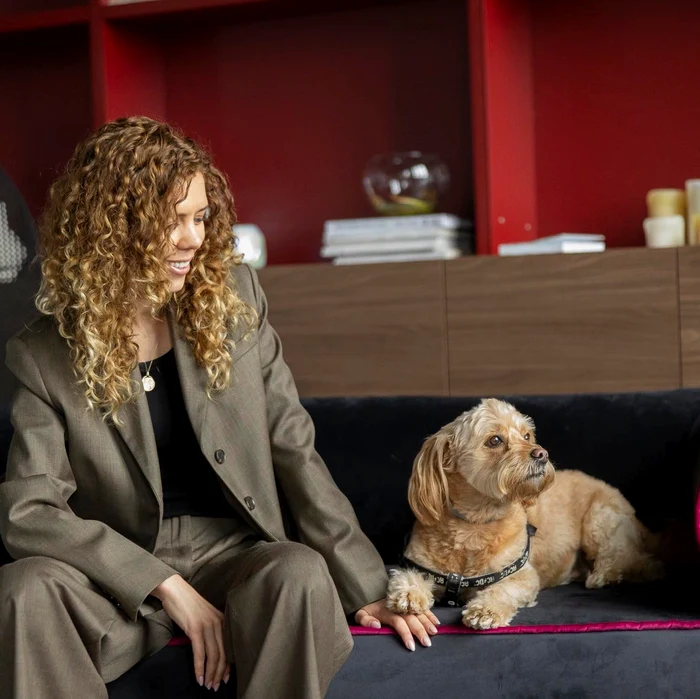
Hilde Tudora and her dog, Alfie
Why he wants the subject to become optional in all schools
Now he wants the subject to become optional nationwide. He started the steps at the Ministry of Education and also comes with arguments for the necessity of this step:
“The problem of single animals and the phenomenon of abused animals stems from a lack of education. And animal abuse is closely related to the rate of bullying and domestic violence. A man who harms an animal today will harm a man tomorrow. There are studies and clear figures from the US. Our optional is now on the table of the Ministry of Education, in the evaluation committee”.
The optional has the role of developing other essential qualities, adds Hilde Tudora:
“Caring for animals develops our empathy and responsibility. And if we don’t want empathetic and responsible adults, then how do we build a civilized society? This is what we need to understand. This elective is not about puppies and kittens, but about developing students’ socio-emotional and civic skills”.
Psychologist: “The benefits far outweigh any effort we put into their care”
The psychologist encourages such an approach in schools.
“I believe that the subjects that teach children how to better understand the world they live in, really help them build a philosophy of life and values that will guide them in how they will choose to live with everything that surrounds them. (…) By taking care of animals (in our own way) the benefits to us as humans far exceed any effort we might make to care for and respect them.” emphasizes Sabina Isdrailă.
According to the psychologist, children understand such things and values many times faster than adults.