
26% of 15-16-year-old teenagers in Romania have smoked cigarettes in the last 30 days, while the European average is 18%. This is according to the data of a report by the European Union Agency for Drugs. At the same time, 25% of teenagers admitted that they participated in gambling for money. How do we keep children away from these vices? The answers are complex, psychologists say. And they go from stronger legislative regulations to genuine discussions with teenagers.
PHOTO by Pixabay
More girls smoke than boys. What parents can do to prevent
According to the European report, 41% of teenagers in Romania said that they tried smoking at least once. And 26% specified that they smoked in the last 30 days. Among girls, the percentage is higher (29%) compared to boys (21%). The good news is that the percentage of those who smoke every day is lower, at 16%.
“Before it gets here, the family needs to be very clear about what the expectations are about smoking and whether or not it is acceptable for the teenager to smoke. An important role here is whether or not the parent smokes himself. It is also important to be clear about understandings about money, because what is considered pocket money can be used to buy tobacco, drugs or gambling. That is why supervision is needed from parents before consumption occurs”recommends Eugen Hriscu, a psychiatrist specializing in the prevention and treatment of addictions.

Eugen Hrișcu, psychiatrist and psychotherapist specialized in the treatment of addictions
When peer pressure is high, however, the adults in teens’ lives can weigh more. With a few conditions.
“We can have more influence, as parents or teachers, if we talk to young people often and early, if we still have credibility in front of them and if we talk to them honestly and openly, including about children’s disabilities, risks, vulnerabilities, long before they become acute. The first condition is for us to be informed and authentic, to understand that adolescence is a period of many temptations, which should be transitory, and to give children new skills, not just trivial information”draws the attention of Mihai Copăceanu, a psychologist specializing in addictions, consulted by Adevărul.
What to do when teenagers have already started smoking
At European level, 15% of the students participating in the project stated that they smoked their first cigarette at the age of 13 or earlier.
“The first cigarette smoke, symbolically speaking, is the child’s sign that he wants to quickly become a teenager, that he no longer wants to be treated like a small child”says Mihai Copăceanu.
He believes that once consumption is established, it no longer helps to talk to teenagers about the dangers of smoking. Other recommendations are:
“They know it’s harmful, it’s actually written on the packages. Child psychology is more important. The most important recommendation to parents is to keep the ban on smoking until after 18 years, even if they have information that their own child smokes outside the house, even if it will be done on purpose. The second recommendation is to identify, from the child, what are the reasons and meanings of smoking and to understand what he feels when he smokes, so they can identify solutions together. What is serious about us is that when young Romanians smoke, they smoke a lot and as a result a high percentage become addicted from a young age, even if they believe the opposite”.

Mihai Copăceanu, psychologist and doctor of medicine, specialized in addictions PHOTO Dorin Constanda
Gambling, another dangerous temptation with long-term effects
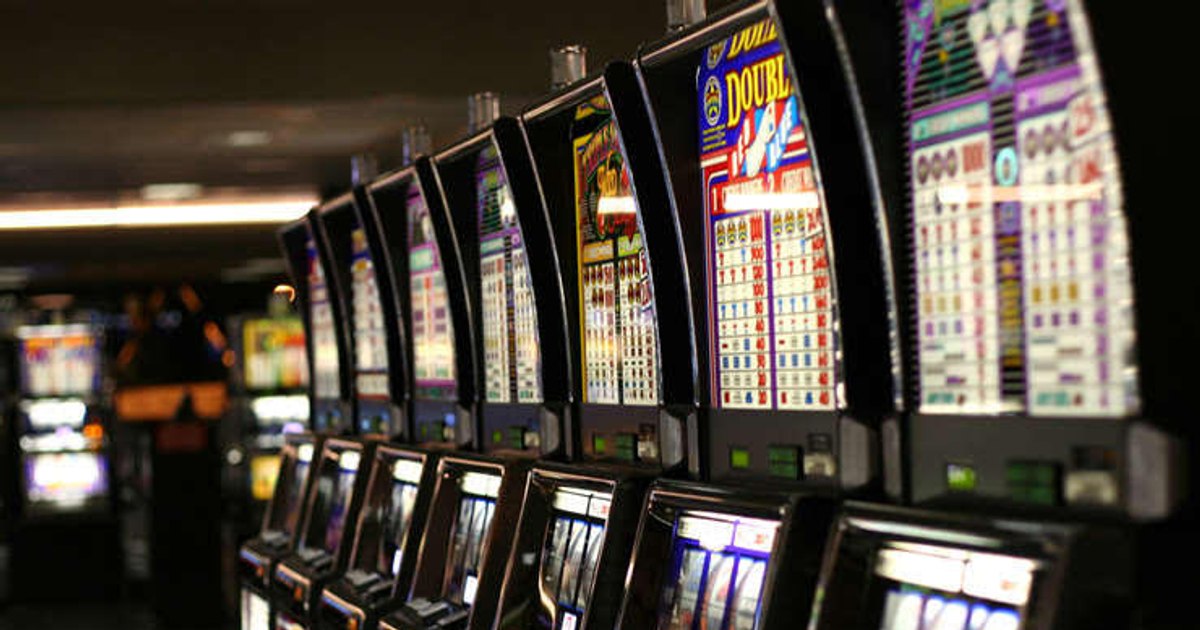
25% of Romanian teenagers who responded to the European questionnaire said they had played games of chance in the past year, such as slot machines, card or dice games, lotteries or sports betting. Here, the percentage of boys (34%) is significantly higher than that of girls (16%). The majority of respondents, both at national and European level, stated that they chose to play in physical venues.

The earlier the games start, the greater the danger of addiction becomes, says psychiatrist Eugen Hriscu:
“Any substance use, legal or illegal, at a young age, or any behavior that has drug-like effects, such as gambling, will make the person much more likely to develop an addiction in adulthood. Also, the addiction will be much stronger and more difficult to overcome, compared to when use begins after the age of 18-20.”
Long-term addiction is the biggest risk. Especially since gambling can ruin lives. The signs that adults around young people should be on the lookout for are there.
“Gambling is a drug that can pretty quickly induce an impairment of self-control, so we’re seeing fairly significant percentages of young people who start gambling larger and larger amounts and lie about their gambling behavior — two signs of problem gambling.”says the psychiatrist.
The risk of such an addiction is lower in the case of constant discussions with teenagers, says psychologist Mihai Copăceanu:
,,I think that beyond the explicit ban, parents could be more attentive to the type of thinking of the teenager, if he, for example, believes that a player will be able to obtain considerable earnings, if he can become rich, stop working, etc. Here is the first signal of concern, children’s belief about the psychology of gambling and beyond removing prejudices, let’s urge them to learn more about what is behind the industry. I recommend this not in the case of those who play, but long before there is any risk of playing.”
Legislative measures could protect children
Both experts consulted agree when it comes to legislation, which, in their view, should be tougher. Both regarding the regulation of tobacco consumption and gambling.
“It will be very difficult for parents or teachers to intervene in teenagers’ relationship with smoking, as long as the state authorities do nothing to restrict access. Absolutely any young person can order, through home delivery applications, nicotine products. There are no checks and sanctions of commercial agents who sell tobacco. There are very aggressive advertisements, including with influencers and people appreciated by the very young. In these conditions, the ability of parents and the school to do something becomes very limited“, says psychiatrist Eugen Hriscu.
“New legislative measures to protect minors from using gambling are mandatory — from regulating advertising to their presence on social media”psychologist Mihai Copăceanu believes.
CNA bans celebrities in gambling ads
Vasile Bănescu, member of the National Audiovisual Council (CNA), says that advertisements and those appearing in them have contributed to the gambling phenomenon. In response, the institution came up with a new regulation.
“Certainly, gambling ads, especially those featuring very famous people, have contributed massively to the increase in the number of players who, many of them, have become victims of a very dangerous addiction. The CNA introduced in the new Broadcasting Code the ban on the participation of VIPs in such advertisements:
Article 109, para. 7. It is prohibited to broadcast advertising for games of chance in which public, cultural, scientific, sports personalities or other persons are present, who, due to their notoriety in the online environment, can encourage participation in such games”.
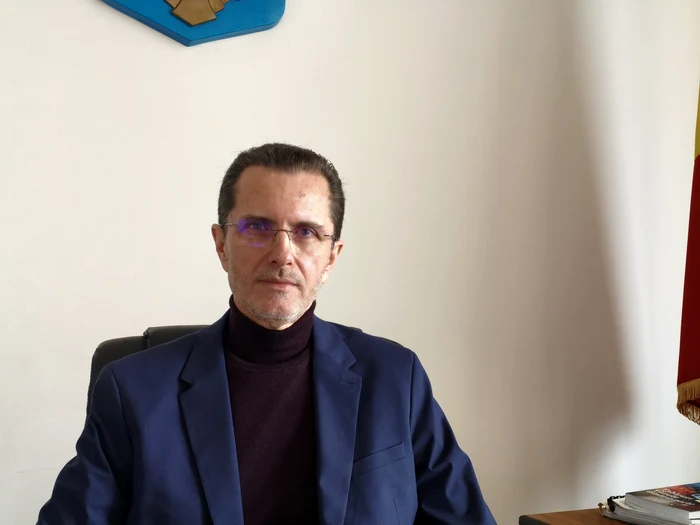
Vasile Bănescu, CNA member PHOTO Denis Grigorescu
What does the Minister of Education say? What can be done in schools
The Minister of Education, Daniel David, talks about a series of measures that he wants to implement in schools, which he detailed on the website of the Ministry of Education. Topics such as combating violence and drug use could be studied in school and high school during class. According to the minister, himself a doctor in psychology, we need:
,,1. Development of educational programs to prevent risk factors in schools, with an emphasis on impact actions, not just on awareness campaigns;
2. The promotion and financing of specific projects to build an organizational culture, expressed in internal values and regulations well known to all actors, opposed to the phenomena of violence and drug use, with the inclusion of these themes in the “School differently!” week;
3. The inclusion of themes regarding the fight against violence and drug use in the curricular guidance and counseling classes (at all cycles) and in the new subjects proposed for high school, namely “Healthy Lifestyle” and “Psychological Self-Regulation”;
4. Strengthening partnerships with central and local authorities, as well as civil society organizations with a role in implementing and monitoring health intervention programs and promoting a balanced lifestyle, inside and outside of school. A concrete example in this regard are the two methodological intervention guidelines for the prevention of addictions, launched by the National Agency for Policies and Coordination in the field of Drugs and Addictions (ANPCDDA), in collaboration with the Ministry of Education and Research (MEC). These materials are intended for teachers and contain specialized information applicable to both children and parents;
5. Through the subordinate structures at the local and county level, we will ensure the implementation of concrete measures in dealing with substance abuse and the risk of addictions.”
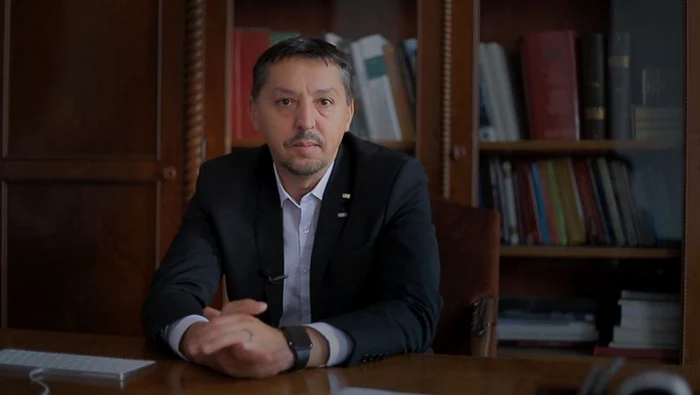
Daniel David, Minister of Education
