
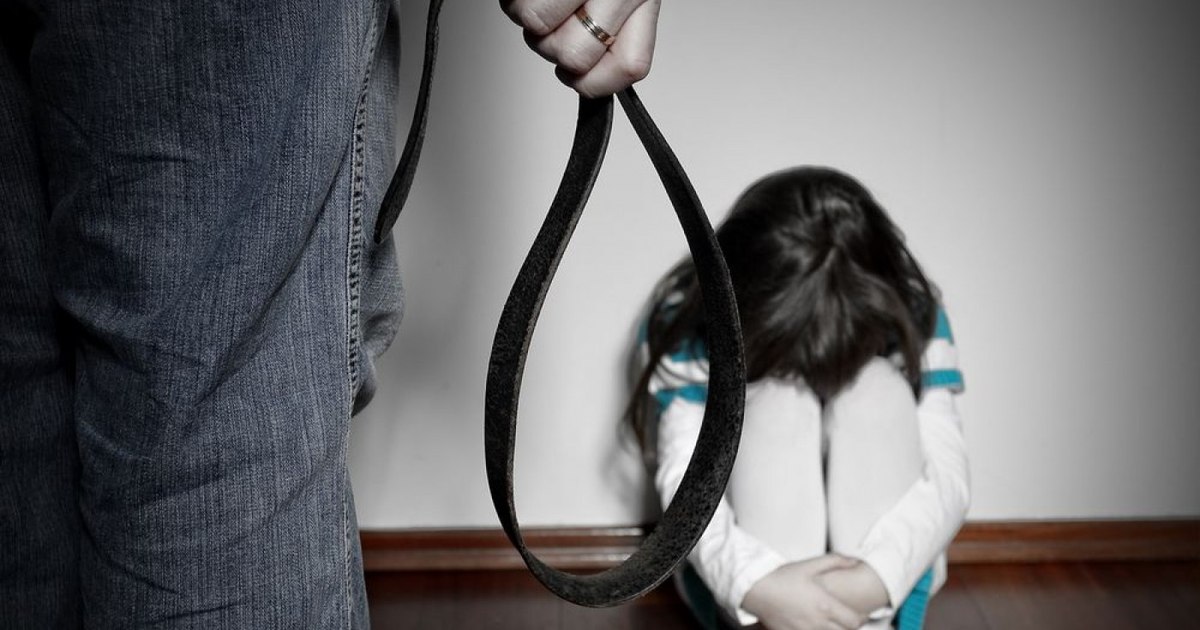
The case of the mother from Constanța who assaulted her eight-year-old daughter in the middle of the street reopened one of the most sensitive debates about children’s education: can the violence exercised by a parent ever be justified? Starting from this incident, “Adevărul” talked to a specialist in the child protection system about the effects of physical aggression, the limits of discipline and the solutions that parents have when they feel overwhelmed
Recently, a woman from Constanța beat her child, an eight-year-old girl, on the street. It all started from the fact that the girl would have offended her mother. The incident was filmed by passers-by, who intervened to support the girl, and the mother was questioned and reprimanded. The woman who assaulted her daughter confessed to people that she was overwhelmed and that she gave in because the little girl was constantly throwing tantrums and allegedly throwing food on the floor.
The mother was detained by the Police and investigated, while the children were placed in the care of their paternal grandparents. The woman who hit her daughter is a single mother, raising two children and struggling to cope.
The incident divided Romania in two. On the one hand, many Romanians find excuses for the mother and say that she was overwhelmed. Quite a few argue that sometimes children “deserve an extra spanking” to be disciplined, or that the child simply “deserved it” because she was naughty. On the other side, there are those who firmly condemn the woman’s behavior, even when she declared herself overwhelmed by daily problems.
“Adevărul” reporters asked for the opinion of a senior specialist in the child protection system, to see if there are cases in which physical aggression against the child can be justified and what parents can do when they are too overwhelmed by worries, problems or can no longer cope in the relationship with the little one. Last but not least, we also discussed the long-term effects of physical corrections applied by parents to children. Felicia Mihai, the head of the Specialized Intervention Service for Children and Families within the General Directorate of Social Assistance and Child Protection Botoșani, an appreciated professional with great experience, answers us.
Can child abuse ever be justified?
The truth: Can aggression/violence against a child by parents/caregivers be justified in any way?
Felicia Mihai: Definitely not! From the point of view of child protection legislation and child psychology, violence against a child cannot be justified by any argument of the adult concerned, regardless of whether it is stress, fatigue, financial difficulties, the child’s behavior or beliefs according to which “we were raised that way too”.
These situations may explain the context in which a parent loses control, but they do not absolve him of responsibility and do not turn violence into a legitimate method of education.
From a legal perspective, the right of parents to educate and discipline their children must be exercised with respect for the dignity, physical and mental integrity and best interests of the child. Romanian legislation prohibits any form of violence against children, including in the family environment. Romania is also a party to the UN Convention on the Rights of the Child, which enshrines the right of every child to be protected against all forms of violence.
From a psychological perspective, violence does not educate, but can produce long-term psycho-emotional trauma on an abused child. The child may become obedient momentarily, but does not understand why certain behavior is wrong. Instead, they learn that the stronger person can impose their will by force and that violence is an acceptable means of conflict resolution. Authentic education involves the development of self-control, responsibility and mutual respect, goals incompatible with any form of violence/aggression.
How can the parent control his anger?
How can a parent deal with anger management so as to prevent violence of any kind against their child?
Anger is a natural emotion, but the responsibility for how it is expressed always belongs to the adult. The child does not have the emotional and neurological maturity to handle the parent’s reactions; on the contrary, it is the parent who must represent the model of self-regulation so that he can achieve co-regulation in a healthy way and appropriate to the needs of his child.
What happens when a child is spanked: scientifically proven negative effects that do not disappear with age
The prevention of violence begins with the recognition of one’s own limits and the factors that favor the loss of control: chronic fatigue, professional stress, family difficulties, lack of support or traumatic experiences from the parent’s own childhood. Awareness of these factors allows for intervention before anger turns to aggression.
In practice, it is helpful for the parent to take a few minutes to calm down before intervening in a tense situation, to use emotional regulation techniques, to ask for support when feeling overwhelmed, and if they notice that impulsive reactions are repeated, to turn to psychological counseling, parenting programs or psychotherapy. Asking for help is not a sign of weakness, but a sign of responsibility towards the child and conscious parenting.
At the same time, it is important for parents to understand that effective discipline does not mean punishment, but the establishment of clear, consistent limits adapted to the child’s age, in a climate of respect and emotional safety.
What long-term effects does violence have on children?
What are the long-term consequences of parental aggression and violence on children?
The impact of violence on the child is profound and can persist long after the episodes of aggression have stopped. Numerous studies in the field of developmental psychology and neuroscience demonstrate that repeated exposure to violence affects a child’s emotional, cognitive and social development.
Emotionally, children may develop anxiety, depression, feelings of shame, guilt and low self-esteem. Behaviorally, they can show either aggression and impulsivity, or social withdrawal, adjustment difficulties and problems in relationships with other children or adults. In the school environment, concentration difficulties, decreased performance and even the risk of dropping out often occur.
In the long term, childhood violence increases the risk of developing mental disorders, alcohol or other substance use, and involvement in abusive relationships. There is also the risk of intergenerational transmission of violence: the child who grows up in a violent environment can become, in turn, either a victim or the author of violent behaviors, if these family models, from their own family environment, are not made aware and integrated in a healthy way through psychotherapeutic guidance.
The mother of the 3-year-old boy killed in a fight by his concubine was detained: she assisted without intervening and wanted to bury him in the yard
From a neurobiological point of view, repeated exposure to fear and stress consistently activates physiological mechanisms of the stress response, which can negatively influence the development of brain structures involved in learning, memory, emotion regulation, and decision making.
Protecting the child from violence is not only a legal obligation, but also an investment in the mental health of the future adult. A child who grows up in a safe, predictable, and loving environment is significantly more likely to grow into a balanced, emotionally healthy adult, responsible, and able to build healthy relationships throughout his or her life. Combating violence against children is equally about preventing violence in today’s society.
A child will not only remember being hit; he will remember that the person he trusted the most made him feel unsafe. Every gesture of violence leaves traces, even when the bruises disappear. Some wounds heal in a few days, but emotional ones can accompany the child for a lifetime.
As a society, we have a legal obligation to protect children, but also a moral responsibility to change the mindset that violence could be a method of education.
Children do not need fear to become responsible people. They need firm boundaries, clear rules, predictability, consistency and congruence. They need respect, patience and adults who provide them with security, support and contain them emotionally in all the difficult moments they experience in the family, at school and in society.
The way we treat our children today will become the way society looks tomorrow. That’s why every act of violence we prevent means a protected child, a more balanced adult, in harmony with self and others, and a safer community for all of us.
