
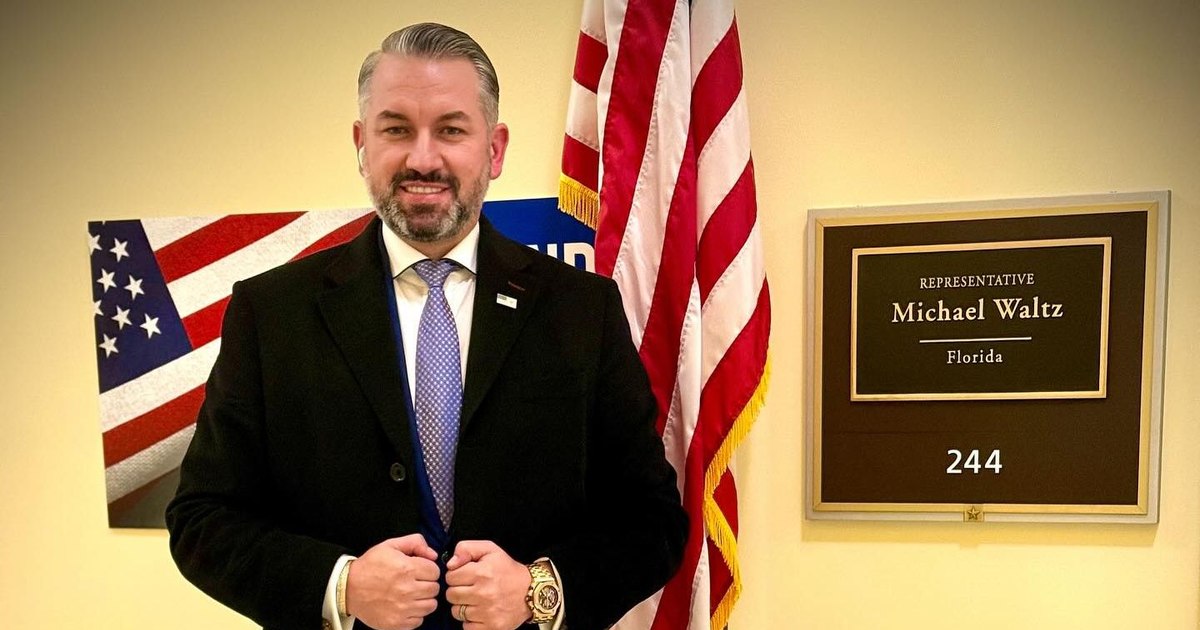
Romanian businessman Dragoș Sprînceană, established in the United States and previously known as a possible “emissary” of former prime minister Marcel Ciolacu, reacted on Wednesday, February 4, after the publication of the preliminary report of the Legal Commission of the US House of Representatives.
The document raises questions regarding the cancellation of the presidential elections in Romania in 2024 and Russia’s alleged interference in the election.
“You must understand that we are obliged to follow official channels and statements. Without evidence, we have no choice. People do not understand this! The evidence is only now arriving! This is how diplomacy works. I have been in contact with Mr. Calin Georgescu weekly. Most people don’t even know that. I warned him about certain things. It was his choice not to take my advice seriously”Sprînceana wrote on the X platform.
The report of the Legal Commission of the US House of Representatives accuses the European Commission of interfering in the electoral processes of several member states, including Romania, by pressuring social media platforms to censor certain content. The document mentions that the 2024 presidential elections in Romania have been cancelled “no evidence” and that they would have eliminated candidates to favor “the establishment’s favorite candidate”.
The report details the methods used by the European Commission, noting that the institution allegedly pressured social platforms to censor content ahead of national elections in Slovakia, the Netherlands, France, Moldova, Romania and Ireland, as well as ahead of the European elections in June 2024.
President Nicusor Dan conveyed that Romania is not covered by the preliminary report of the Judiciary Committee of the House of Representatives in the US Congress, and the references in the document to our country are strictly contextual, in a much wider debate about freedom of expression.
“Romania is not the subject of the preliminary report of the Judiciary Committee of the House of Representatives of the US Congress, and the references in the document to our country are strictly contextual, in a much broader debate about freedom of expression. The references to the 2024 presidential elections presented in the report are strictly descriptive and only partially reflect the response of a single private company, the TikTok platform. They do not represent and cannot be substituted for a legal assessment. In the same At the time, the TikTok platform itself admitted in several public reports that it had proactively identified several hidden influence networks, prevented and removed tens of thousands of fake accounts and interactions, and banned hundreds of accounts impersonating presidential candidates.” stated the president Nicusor Dan in a message on Facebook.
Who is Dragoș Sprînceana
Dragoș Sprînceană, aged 45, is originally from Constanța, graduated from the Faculty of Financial Management and Accounting and immigrated to the United States in 2002, where he started as a security guard in a resort. In the US, he also attended other university courses and is a member of the Republican Party.
Politically, the businessman declared himself a supporter of Călin Georgescu, after the first round of the canceled presidential elections in Romania.
“I completely agree with Călin Georgescu’s visionswhich aligns with Donald Trump’s policy”he said during an Anca Alexandrescu show.
Dragoș Sprînceana was publicly promoted as one “special envoy” of former prime minister Marcel Ciolacu, with the role of facilitating dialogue with the Donald Trump administration.
In April 2025, Ciolacu announced that Romania would rely on two special envoys to “unblock” the relationship with the new administration in Washington, Sprînceana being one of them due to his ties to the Republican Party.
Later, following several of his statements, Marcel Ciolacu partially distanced himself, declaring that there is no “emissary” officially in the diplomatic sense of the word, but only diaspora citizens who want to help with communication.
