
The world of science is buzzing after the awarding of the 2025 Nobel Prize in Physiology or Medicine: regulatory T cells, discovered three decades ago, are emerging today as the most promising weapon against autoimmune diseases, cancer and even the rejection of transplanted organs.
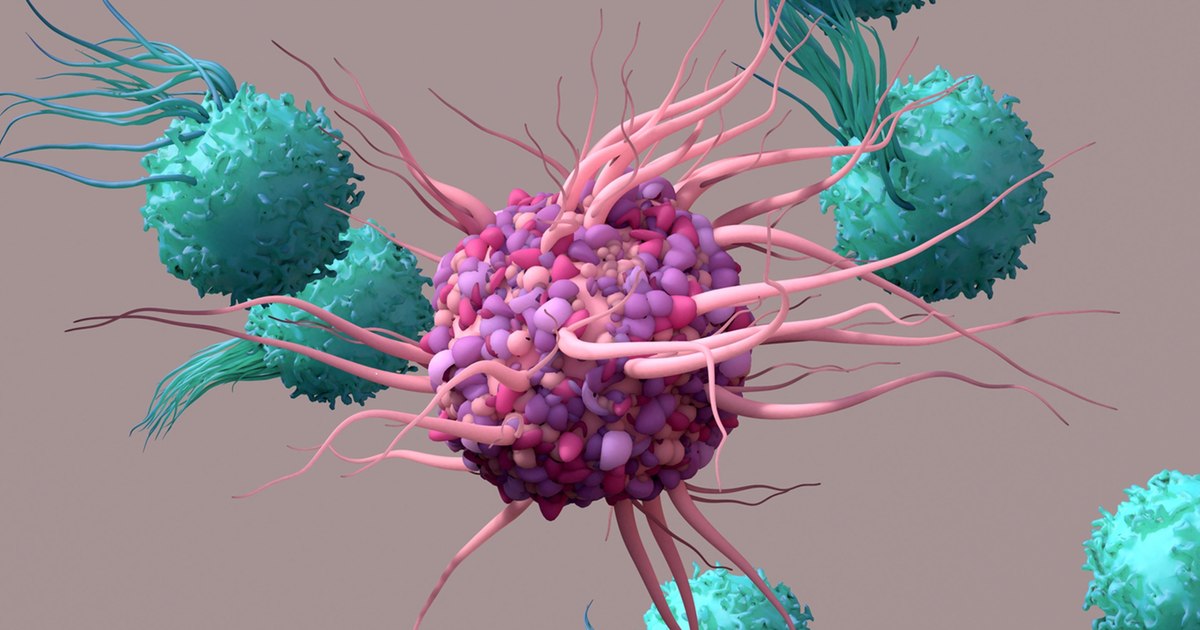
Regulatory T cells teach the body to stop attacking and heal itself/AkadeumLifeSciences
In a medical world where the immune system can sometimes become our own enemy, researchers seem to have found the key to coaxing it to change its behavior. We are talking about regulatory T cells – “the guards” the body – which tempers “fury” the immune system and prevents it from attacking its own tissues.
The discoverers of these cells, Shimon Sakaguchi, Mary Brunkow and Fred Ramsdell, are the new 2025 Nobel laureates, rewarded for elucidating the mechanism of peripheral immune tolerance. But what makes the story really fascinating is that this discovery doesn’t just stay in the pages of textbooks: it is turning right now into a new frontier of modern medicine, with the potential to save millions of lives and change the way Romanians with autoimmune diseases or patients waiting for a transplant will receive treatments in the coming years.
Next, we show you how these cells can transform modern medicine and what challenges still need to be overcome to bring them to the hospitals of tomorrow.
From discovery to therapy: the dream of ‘reprogramming’ the immune system
30 years after their discovery, regulatory T cells have become real stars in medical research. More than 200 clinical trials are now testing how these cells “peacemakers” they can cure autoimmune diseases such as type 1 diabetes, multiple sclerosis, lupus or rare skin conditions.
And the stakes don’t stop there: Researchers are exploring how the same cells can prevent rejection of transplanted organs and temper the severe side effects of bone marrow transplants, procedures that rebuild the immune systems of cancer patients.
Practically, these cells have the potential to transform modern medicine, offering hope to patients for whom until now the solutions were limited or extremely risky.
How regulatory T cells restore the balance of the immune system in autoimmune diseases
Autoimmune diseases occur when the immune system loses its balance: the cells that defend us attack, and those that should protect can no longer cope. The result? The body turns against its own health.
“We can restore this balance by increasing the number of regulatory T cells”explains, quoted by naturallythe Australian immunologist Joshua Ooi, one of the researchers who are now turning the discoveries of the Nobel laureates into a new era of medicine.
And there are two revolutionary ways that science is trying to do this:
- Personalized therapy – regulatory T cells are extracted from the patient’s blood, multiplied in the laboratory and then reintroduced into the body, to restore the natural order in the immune system.
- Pharmacological therapy – special drugs stimulate the body to produce these on its own “peacemakers”providing a simpler and potentially large-scale solution.
This dual strategy could completely change the way we treat type 1 diabetes, multiple sclerosis, lupus, or even transplant complications — a giant step toward safer, personalized medicine.
The challenge of the century: how to control the controllers – regulatory T cells
The huge promise of regulatory T cell-based therapies, however, comes with major challenges. These cells are rare, fragile and extremely difficult to manipulate.
“Enthusiasm is huge, but we are still at the beginning of the road”says Daniel Gray, researcher at the Walter and Eliza Hall Institute in Australia.
The big question remains: How can we produce these cells in sufficient and stable quantities without losing their ability to maintain the delicate balance of the immune system?
Medicine of the future: when the body becomes its own doctor – regulatory T cells, revolutionary treatment
What once seemed like a mystery of nature—why our immune system attacks our own tissues—is now turning into a key to treatments that can rewrite its behavior.
Thanks to the discoveries of Sakaguchi, Brunkow, and Ramsdell, medicine is entering a new era: one in which tolerance becomes a weapon, not a weakness.
The 2025 Nobel Prize does not just mark a past discovery; he heralds the beginning of a medical revolution, in which the immune system is educated to heal, not destroy.
With this research, the line between healing and regeneration is becoming thinner than ever. Regulatory T cells could be the missing link between today’s medicine and future therapies for autoimmune diseases, transplants and other serious conditions, paving the way for a medical revolution that allows patients to be cured, not just treated.
