Forbidden access piques curiosity, but some places on Earth are closed for essential reasons, which include lethal radiation, fragile ecosystems, or hidden dangers.
It’s human nature to be curious about the places we’re off limits. But more often than not, there are good reasons why we are kept at a distance. From sites that house highly hazardous materials to places where priceless artifacts are kept, Science Focus magazine has revealed the scientific explanations behind some of the most restricted areas on Earth.
Elephant’s Foot (Chernobyl)
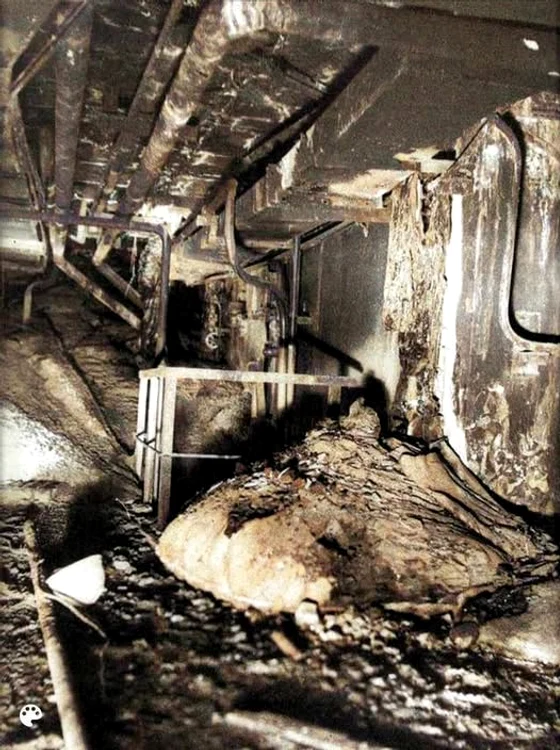
Known as one of the most radioactive objects in history, “Elephant’s Foot” is a mass of approximately two tons of molten material located under Reactor 4 of the Chernobyl Nuclear Power Plant in Ukraine.
It consists of a rarely named material “corium” – a mixture of nuclear fuel and molten reactor components.
When it was discovered in 1986, eight months after the Chernobyl nuclear accident, the radiation was so intense that just getting close for three minutes could be fatal.
As radioactivity has decreased over time, the risk has decreased, but exposure remains dangerous. Massive steel and concrete structures have been built around the abandoned plant to contain radiation, and access to the area is strictly controlled.
Svalbard Global Seed Repository
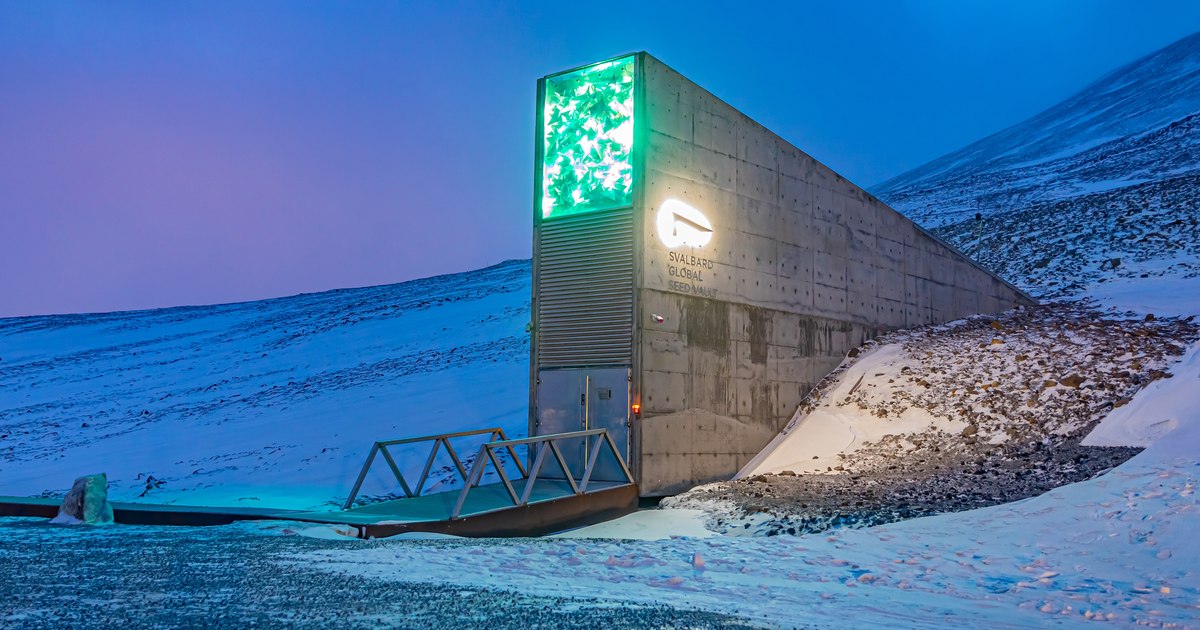
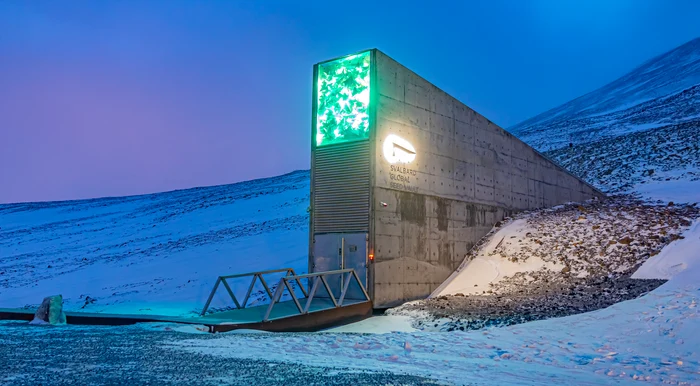
This highly secure underground vault houses some of the most important biological samples on the planet.
Buried in permafrost, inside a mountain on the island of Spitsbergen in the Svalbard archipelago, the deposit contains over a million seeds, kept in maximum safety.
Its purpose is to protect the genetic material of agricultural crops, cultivated plants and wild species, providing a safety reserve in case other seed banks in the world are affected by technical failures, wars, diseases or natural disasters.
The mysterious lake that disappears and then reappears in just a few hours. Locals say it’s haunted and talk about unexplained noises
Lascaux Caves
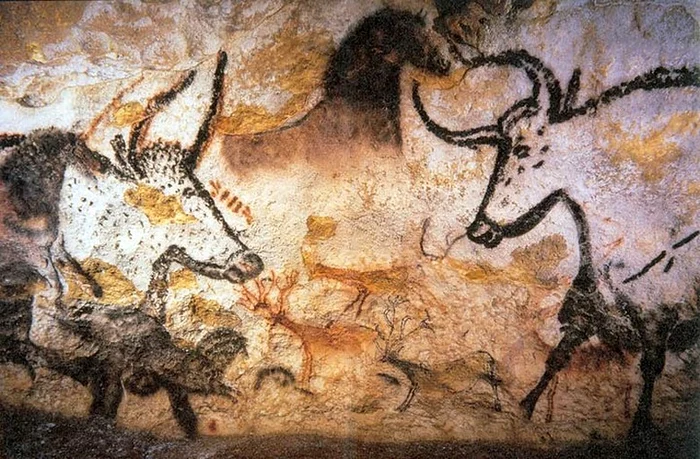
In the south of France there is an archaeological site so valuable that only a few authorized people are allowed to visit it.
The Lascaux Caves are home to over 600 Upper Paleolithic cave paintings, some 17,000 years old.
Initially, the caves were open to the public, but the sheer number of visitors had a devastating impact on the prehistoric art.
Their breathing increased the level of carbon dioxide in the air, and body heat changed the internal microclimate, favoring the development of fungi and lichens.
In 1963, public access was prohibited, and specialists installed air conditioning systems to protect the remaining paintings.
Red Zone (Zone Rouge)
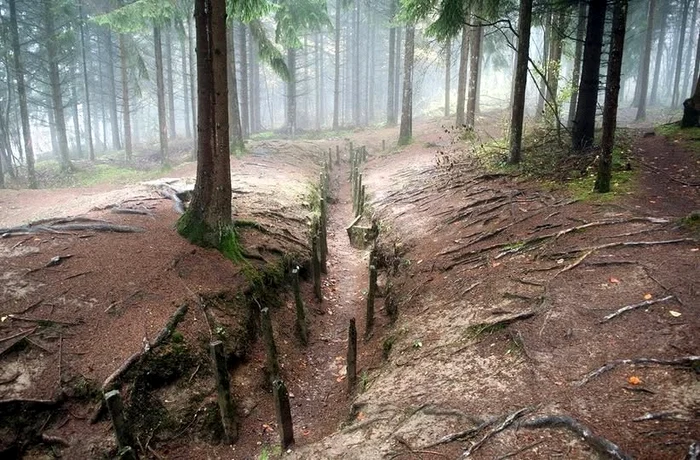
Spread over an area of over 1,200 km² in the north-east of France, “Red Zone” it has been closed since the First World War.
These former battlefields are still littered with unexploded ordnance and the soil is contaminated with toxic substances such as mercury and arsenic from abandoned weapons.
In the most affected areas, there can be up to 300 shells per hectare. Specialist teams estimate that it will take at least 300 years to completely clean up the region.