
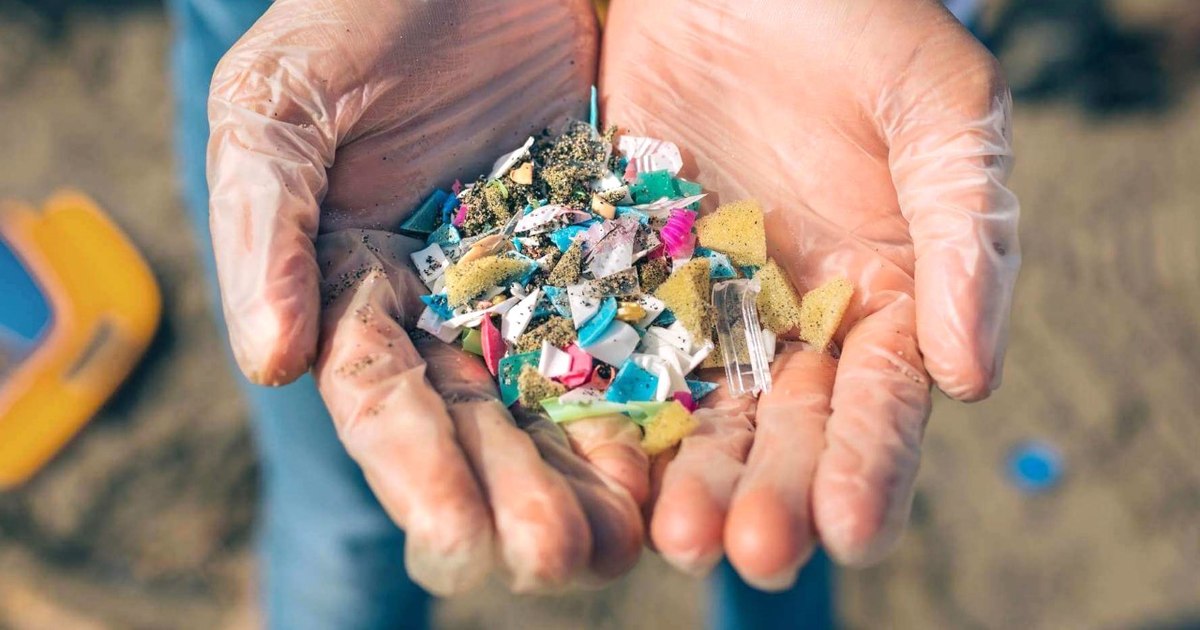
A new study revealed that over 93% of sprat and rapana specimens and 66.7% of mussels from the Romanian coastal area analyzed were contaminated with microplastics.
The study, carried out by the National Research Institute – Marine Development “Gregory Antipas” (INCDM) from Constanța and published in December 2025, shows that microplastics were identified both in the digestive organs and in the soft tissue of the three species analyzed.
Another important aspect reported in the study is the trophic transfer of plastic particles from prey to predator, as in the case of rapana.
Thus, say the researchers, “as all three species are consumed by humans, they represent potential routes of exposure to microplastics. These results highlight the urgent need for further research into the sources, environmental pathways and potential health risks of microplastics in the Black Sea.”
The researchers compared the results obtained on the Romanian coast of the Black Sea with studies carried out by Bulgarian researchers in the area of Varna and Burgas, and in the species collected at the seaside in Romania, a higher frequency of microplastics was found in all three species.
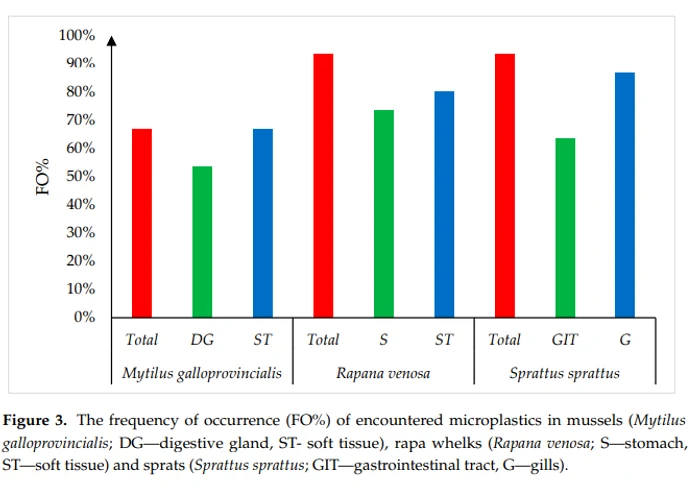
Following the results, the researchers believe that the proximity to the mouths of the Danube expose the species from the Romanian coastal area to pollution more.
“The increased presence of microplastics in the tissues of the analyzed species can be related to their proximity to the discharge of the Danube river, located in the northern area of the Romanian coast, which transports up to 4.2 tons of plastic materials daily”it is stated in the study of the Institute.
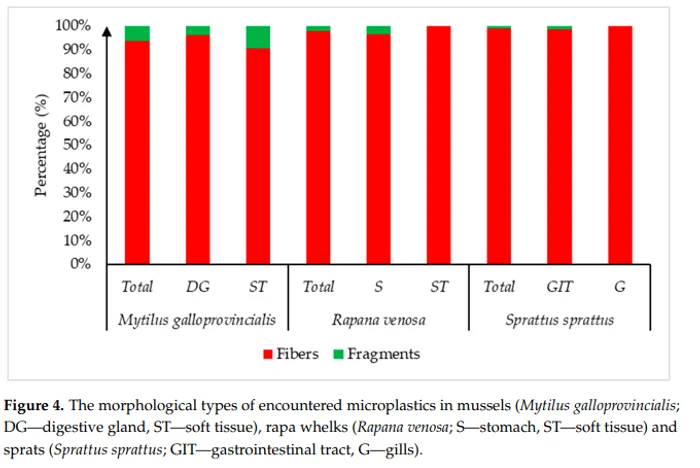
They also detailed the type of microplastics identified in the body of the three species.
“Fibres represented 93%, 98% and 99% of the total microplastics identified in mussels, rapa and sprat, respectively, while fragments represented only 7%, 2% and 1%. The proportion of fibers varied according to species and organs: in mussels, fibers comprised 96% of the particles in the digestive gland and 90% of the soft tissue; in rapa, 97% of the particles in the stomach had was fibers, while only fibers were detected in soft tissue, and in sprat, fibers accounted for 98% of the particles in the gastrointestinal tract, with fibers being observed only in the gills.“
“Black, blue and clear microplastics made up the majority of particles found in all three species, although their relative proportions varied. In all species, the dominant colors of the particles differed significantly, mussels characterized mainly by blue particles, rapa snails by black particles and sprat by transparent particles, demonstrating clear contrasts at the species level in the composition of ingested microplastics”it is also shown in the work.
The study was financed by the Ministry of Research, Innovation and Digitization, through the SMART BLUE Nucleus Program.
The research can be read in full here.
