
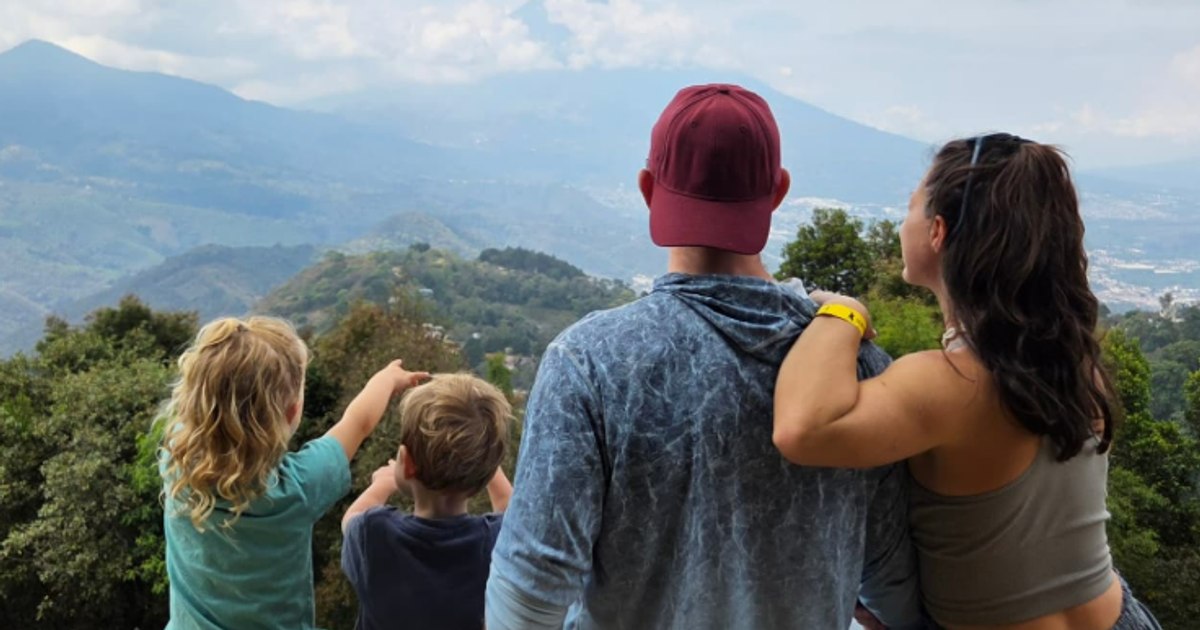
A British family chose to radically change their lives, giving up their house and belongings to go on a trip around the world with their two young children, believing that education and life experiences can be acquired outside the classical education system.
Ruth Rowe (35) and her husband Steven (36), along with their two children, Aurora (5) and Atlas (3), left the UK at the end of 2023 and have since traveled to 15 countries in Asia, Europe and America. The decision came after several years in which they increasingly felt the desire to travel.
The family lived in Hereford, in a country house, close to relatives and friends. “The turning point came when we started thinking about enrolling our daughter in kindergarten. Although we found a place, we missed the registration deadline, which caused us to completely reevaluate our life plans”reported the two, according to Blic.
In a short time, they sold the house, car and belongings, keeping only a box of memories stored with relatives. With the savings, including the return of the housing deposit, they financed their departure and visa to Sri Lanka, arriving in November 2023.
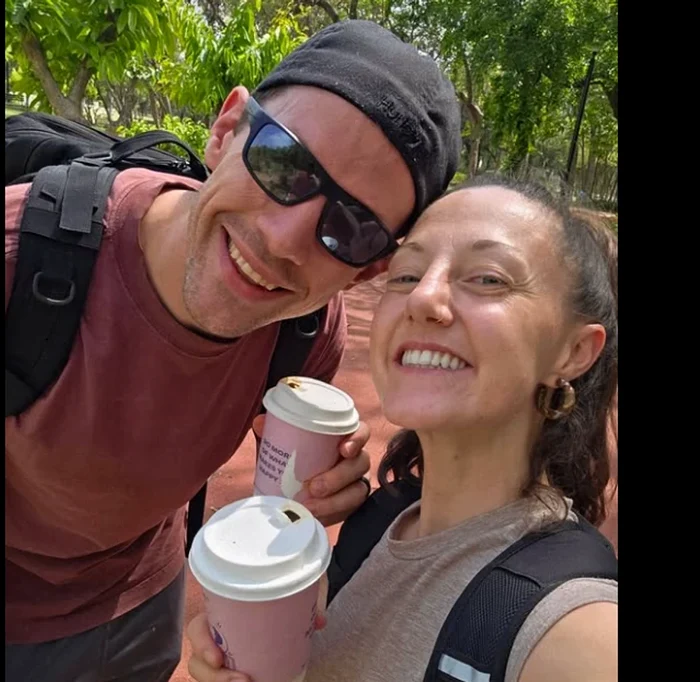
The family say they maintain a monthly budget close to what they had in the UK, around £1,300 for accommodation. Depending on the country, they choose different housing, from spacious apartments with a courtyard and a pool to more modest spaces.
For food, I spend around £600 a month, which is comparable to the UK. While they could cut costs, they say they prioritize food quality, choosing local produce and avoiding more expensive imported foods as much as possible.
At the same time, the family explores the local cuisine, an experience they consider valuable for the children.
Spending that used to go towards bills and maintaining a home has been redirected to travel, visas and flights. The family usually stays for about a month in each place, adapting according to local costs.
For example, visas for Sri Lanka turned out to be more expensive than expected, while those for Indonesia are more affordable.
“Having one main income and two small children who don’t need much yet, we direct most of our available money towards travel. We plan carefully and cut expenses when necessary – it’s not just a holiday, it’s our lifestyle. We’re a normal family of four, no frills, just a passion for travel and the benefit of a remote income”the family said on Instagram.
How to go on vacation with children in 2025 at acceptable costs. “Prices have risen extremely high across Europe”
The two have also given up many subscriptions and services they had in the UK, thus reducing fixed expenses. Currently, they say they manage their money carefully and invest mostly in experiences, not material possessions.
Education without classical schooling
Ruth and Steven argue that life away gives children an alternative form of education based on first-hand experiences. The two children learn by visiting museums, exploring nature and interacting with various cultures.
Ruth covers the basics, like reading and math, but without rigid schedules or academic pressure. In addition, children develop practical life skills, including understanding money, communication and language learning.
In South America, for example, they began to study Spanish and communicate with the locals.
Frequently asked if they plan to return to a conventional lifestyle and enroll their children in school, the two say “they have no such plans for now”. He believes that every child develops at his own pace and that learning does not depend exclusively on the classroom.
Their daily lives are organized around Steven’s work activities and Ruth’s time with the children. They go swimming, study together and participate in local activities in the places where they temporarily settle. In the evening, the family often ends the day simply by watching the sunset or reading bedtime stories.
Although adaptation to each new destination takes a few days, children get used to it quickly and are attracted to new experiences, different food and contact with other cultures.
