
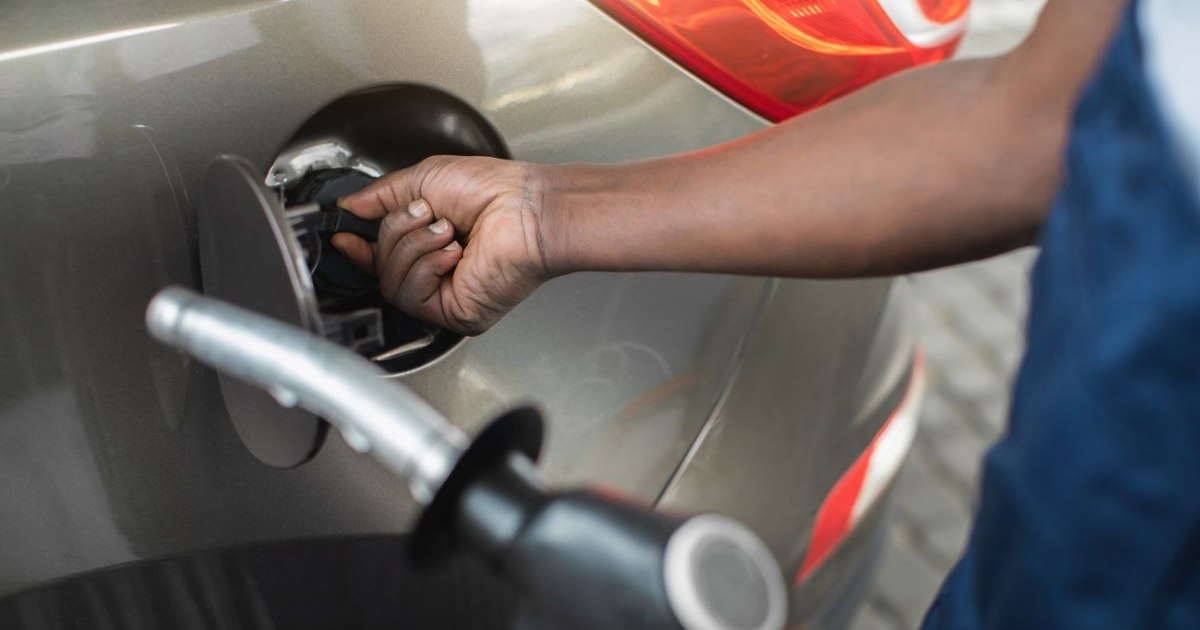
Adding a dose of water to diesel is considered beneficial by researchers, who claim the action can significantly reduce emissions and make engines run more efficiently.
Whether it’s a delivery van, a tractor or a marine engine – diesel fuel remains indispensable for many industries. But the price for this reliability is high: nitrogen oxides and particles from exhaust gases pollute cities and harm public health. Although electric motors are not yet a mainstream product in the heavy vehicle sector, a surprisingly simple idea is now emerging from research: adding a dose of water to diesel.
A new analysis in the journal Carbon Research analyzes data from numerous studies on the so-called water-in-diesel emulsion (WiDE). Even small amounts of water in fuel have been sufficient in some studies to reduce nitrogen oxide (NOx) emissions by up to 67% and particulate matter (PM) emissions by 68%.
Potential efficiency gains are also measurable, for example in terms of thermal efficiency. However, the extent of these gains depends on the mixture, manufacturing process and engine operation, according to analysis presented by Frankfurter Rundshau.
Water makes diesel cleaner
The water-in-diesel emulsion works on a simple principle: diesel is mixed with 5 to 20% water, together with a special surfactant. This surfactant ensures the permanent combination of the two liquids. The review article describes how such emulsions can remain stable for up to 60 days in certain formulations – but not every mixture automatically lasts that long.
In the engine cylinder, water has two effects. Lowers the combustion temperature, resulting in less nitrogen oxides. At the same time, the small water droplets evaporate explosively. These micro-explosions atomize the fuel more finely, combustion is more complete and less soot is produced.
Normally, with diesel engines, there is often a conflict of objectives – less NOx can mean more soot. WiDE can reduce both, but not necessarily in every situation.
Microbursts increase efficiency
“The Micro-Explosion Effect” improves the mixture between air and diesel, thus increasing the thermal efficiency – the ratio between the energy consumed and the power produced – by up to 12%.
Regarding fuel consumption (BSFC), the literature presents a mixed picture: some studies measure lower consumption, others higher. Power and torque also vary with water content and engine load. At high water content, some studies even report problems such as increased diesel engine knock.
Unlike complex exhaust aftertreatment systems, the emulsion acts directly during combustion. It can generally be used in existing engines without requiring a fundamental redesign. This saves money and maintenance – especially for businesses that remain dependent on diesel. The authors see WiDE as a complement to existing technologies – not a replacement for all exhaust system components.
Alternative to expensive filtration systems
WiDE is one of several established strategies: a diesel particulate filter (DPF) mainly reduces particulate matter, while exhaust gas recirculation (EGR) mainly reduces nitrogen oxides. An oxidation catalyst (DOC) mainly reduces carbon monoxide and hydrocarbons, and an SCR system reduces nitrogen oxides.
WiDE can simultaneously reduce NOx and particulate matter – but CO and unburnt hydrocarbons (HC) can also increase depending on the mix. However, the approach remains interesting because it can simultaneously reduce two of diesel’s biggest problems – nitrogen oxides and soot/particulate matter.
This makes them a promising option for industries where electrification is not yet practical – such as agriculture, shipping or construction machinery.
The right composition is crucial
The choice of surfactants is crucial for effectiveness. They combine diesel and water into a stable mixture. According to one analysis, emulsions with about 3% surfactant and a so-called HLB value (hydrophilic-lipophilic balance) of about 8 to 9 have shown good results in several studies.
The amount of surfactant added (typically about 0.5 to 5%), how long and how hard the mixture is stirred, and how it is produced (for example, with a homogenizer or ultrasonically) determine how stable the emulsion remains—and how well it performs in the engine.
“Emulsion stability determines the success of the entire technology”stated the authors of the study. In ongoing projects, they are testing additional blends to improve durability and eliminate potential material stresses.
A practical step towards cleaner diesel
Water-in-diesel emulsions could improve existing fleets without a fundamental engine redesign. However, more robust data are needed for widespread use – for example, on material compatibility, corrosion and scale formation, and potential long-term effects on engine components. Additionally, experts recommend combining WiDE with other exhaust technologies to reduce conflicting emissions targets.
