
An outbreak of pediculosis discovered in a school in Olt almost a month ago is still active. Although not very difficult to treat, lice infestation requires persistence and following strict rules.
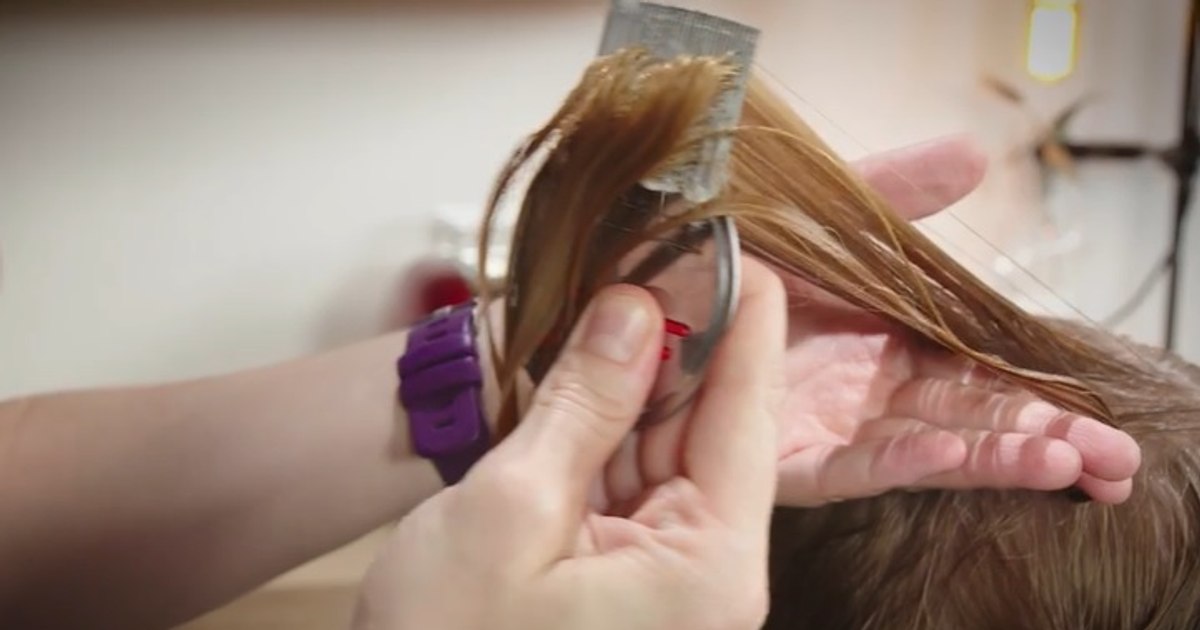
The mechanical removal of lice is an extremely important stage PHOTO: archive
Several cases of pediculosis (infestation with lice) were discovered in a school in Olt county, during the epidemiological triage carried out upon returning from the Easter vacation. Although almost a month has passed, two cases are still active.
The Olt Public Health Directorate stated that during the initial inspection eight cases of pediculosis were discovered in the school in Vulpeni, Olt county. The health staff announced what to do, and the students were isolated at home, with clear instructions to the family.
“After processing, out of the eight cases of pediculosis, on the occasion of the re-check carried out 7 days after detection, five cases remained in evidence”, it is mentioned in a statement sent by DSP Olt. A new check took place on May 15, finding that “the five cases of pediculosis were isolated at home and monitored by the medical staff”. In the following days, following the measures adopted by the medical staff in the commune (staff from the family doctor's office and the community assistant), three of the five cases were resolved.
“Later, on May 31, 2024, the community assistant informed us that two cases of pediculosis had recurred, resulting in a total of 4 cases. On the same day, the family doctor informs us that two children on his capitation list have been rechecked, and they will receive approval to enter the community. In conclusion, at this moment, two cases of pediculosis are being monitored and treated at the Vulpeni Secondary School”DSP Olt representatives also specify.
Mechanical removal, the stage that cannot be passed
Head lice infestation is a more common problem than we might think, but very little is said about this condition. It happens that people who face this condition do not recognize it, and because there is still a myth that people with poor hygiene are infested with lice, information contradicted by doctors.
Although head lice are not very dangerous, because they do not transmit disease, they cause itching, and excessive scratching can lead to infections in the scalp area.
A louse can lay up to six eggs a day, the eggs (nits) attaching themselves firmly to the hair. Lice reach maturity in three weeks, when they are the size of a sesame seed. They are relatively hard to detect, having colors from white to brown. They attach very well to hair and feed on human blood. Most often it is fixed behind the neck and around the ears, being the warmest areas, but not only.
Lice are removed using special solutions, the shampoos sold in pharmacies (very effective and which do not endanger health, unlike the particularly dangerous solutions for veterinary use that are still used in certain environments) being the most recommended to this end. Their price is quite affordable, starting from around 10 lei.
The family doctor is the one who can prescribe the treatment, issuing a simple prescription, but the products can also be purchased on the recommendation of the pharmacist. It is important to remember that the treatment must be followed by all family members and must be completed with strict hygiene measures. Linens and clothes should be washed at temperatures of at least 50 degrees Celsius. It is also recommended to vacuum the surfaces, to remove the hairs on which the lice or their eggs have still survived.
The simple use of shampoo is not effective, but it must be accompanied by the mechanical removal of the eggs, by brushing the hair with a special comb. This comb is sold, in most cases, together with the special shampoo (we find it in the box). The mechanical removal operation must be repeated until we find that we have removed all the lice eggs.
Children are more affected by head lice infestation than adults, because they spend more time in the community and interact by sitting very close to each other. It was also found that girls are affected to a greater extent than boys (aspect also influenced by the size of the hair). Children also easily borrow their personal items – hairbrushes, various hair accessories, hats, scarves, hats, caps, etc., all of which are means of transmitting lice.
