
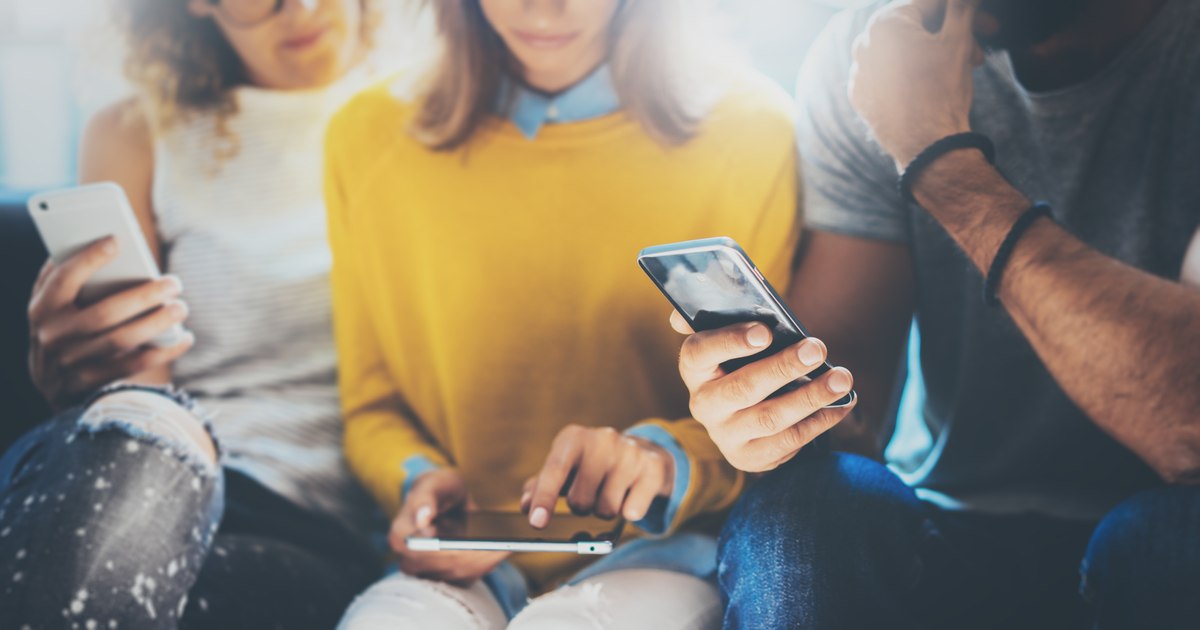
The development of social networks has affected the way we interact socially, so more and more people avoid phones and prefer to communicate only through messages. “The call has become a last option of contact”say the specialists.
More and more young people avoid answering the phone PHOTO: Shuterstock
According to panorama.ro, we are talking about what specialists call telephobia, a psychological reaction generated by factors such as social anxiety, shyness or a preference for written communication.
The quoted source claims that over 80% of British Millennials and Gen Zers have a real fear of answering the phone or making calls. The data was published by a study in 2023 by the English telecommunications and broadcasting company Sky Mobile.
Young people between the ages of 18 and 25 prefer communicating via messaging apps such as WhatsApp (31%), texting (28%) and Snapchat (14%), rather than answering the phone (10%), the same study shows .
At the same time, 61% of millennials avoid answering a call related to a problem at work, reveals another study by the British phone company Face for Business, as early as 2019.
For generation Z, communication specific to new media is also very important – emojis and other elements representative of text messages, which allows them to be even more expressive, perhaps more than they would be in a telephone conversation, claims psychotherapist Alina Moțoi.
“With the development of technology, we can communicate on any platform. If we have something to say to a friend, we send a meme, and if we are asked for work, we receive an email. But when the phone rings, the brain thinks something serious has happened. For example: someone got injured, a task was not solved properly, a friend is facing a problem and has no one to talk to. The call has become a last resort“, claims panorama.ro.
There are also, however, several reasons cited by people for avoiding answering the phone: 63% of people in the labor market feel anxious when they have to talk on the phone; 33% do not answer, for fear that they will not know the answer to a question on the spot. 15% do not answer, for fear that they will get stuck during the speech; 9% think they will create a bad impression on the interlocutor; 5% don’t answer because they don’t like how their voice sounds on the phone.
